Best Rope Cutting Tools for Quick, Clean Rope Work
When dealing with marine, camping, or industrial tasks, a reliable rope cutter makes end trims fast and neat. This guide highlights five top tools designed to cut and seal synthetic rope or fabric efficiently, reducing fraying and saving time on the job. Each option blends portability, power, and safety features to cover boating, outdoor, and workshop needs.
Quick Reference Summary
| Product | Brand | Key Benefit | Typical Use |
|---|---|---|---|
| Seachoice Rope Cutting Gun | SEACHOICE | Cuts and seals in one motion | Boating and camping |
| SeaSense Rope Cutting Gun | SeaSense | Lightweight, 100 W power | Boating and outdoor expeditions |
| Morakniv Craftline Rope Trade Knife | Morakniv | Serrated fixed blade for rope and fiber | Field use and quick rope work |
| Better Boat Hot Knife Rope Cutter | Better Boat | Heats to seal ends instantly | Marine lines and fabric cutting |
| ROMECH 30W Electric Rope Cutter | ROMECH | Industrial-grade hot cutting | Fabric, rope, webbing in shop or yard |
Seachoice Rope Cutting Gun

The Seachoice Rope Cutting Gun combines cutting and sealing in one swift motion, making it convenient for quick work aboard boats or in field settings. Its compact size supports portability, allowing crews to carry it on board or in a backpack. A 5-foot power cord provides flexible reach without frequent recharging interruptions. When cutting synthetic rope, this tool minimizes fraying by instantly sealing the end as it cuts, helping maintain line integrity for future use. The gun’s straightforward operation supports consistent results across tasks such as mooring line maintenance, sail handling, and rigging repairs.
The device is designed for ease of use in tight spaces, with a focus on reliability under marine conditions. Operators should ensure proper ventilation and follow safety guidelines when using any hot-cut tool. For sailors and outdoor professionals who need a compact, all-in-one solution, the Seachoice model offers a balanced mix of practicality and efficiency. This tool is especially suited to routine rope trimming and end-sealing in environments where speed and clean finishes matter.
SeaSense Rope Cutting Gun

The SeaSense rope cutter is designed for lightweight, on-the-go use. Weighing around 1.5 pounds and delivering 100 watts of power, it is optimized for quick, clean cuts through various synthetic lines. Its portability makes it a preferred choice for boaters and campers who want a dependable tool without shoulder fatigue. The user benefit centers on efficiency: smooth cuts reduce the risk of loose strands that could complicate deployment or retrieval of lines and nets. This model is ideal for routine maintenance tasks, such as trimming docking lines, anchor lines, or securing knots prior to storage.
Safety and handling considerations include keeping fingers clear of the heated zone and using it in well-ventilated areas. The compact design supports one-handed operation in tight spaces, a common scenario on small vessels or in storage compartments. For users prioritizing a balance of power, weight, and mobility, the SeaSense option provides a practical solution for regular rope management tasks on watercraft and camping setups.
Morakniv Craftline Rope Trade Knife

The Morakniv Craftline Rope Trade Knife offers a fixed serrated blade designed for cutting rope, nylon, and fiber. With a blade thickness of 0.08 inches and a 3.6-inch blade length, it provides precise control in field conditions. The overall length reaches 8.25 inches, and the knife weighs about 4.0 ounces, contributing to a balanced, ergonomic handling experience. The TPE rubber handle is crafted to deliver a secure grip even in wet or slippery environments, supporting safer and more accurate rope cuts during marine tasks, camping, or general utility work. This knife is especially useful where quick, controlled cutting is needed without introducing heat that could affect rope integrity.
In comparison to hot-cut tools, this knife emphasizes manual control and edge retention. It does not seal ends but excels in clean, controlled cuts on a variety of rope materials. The Morakniv option is well-suited for maintenance crews, boat crews, and outdoor enthusiasts who value a reliable handheld tool for quick rope work and fiber trimming, particularly when heat-sensitive materials are involved.
Better Boat Hot Knife Rope Cutter

The Better Boat rope cutter uses a hot knife to quickly cut and seal synthetic rope, including polyester and nylon. This tool is designed to prevent fraying at the cut ends, extending rope life in marine lines, fabric applications, or other cords subject to wear. It heats up rapidly, reaching around 1000° Fahrenheit, and its lightweight, ergonomic design supports comfortable, extended use. The pull trigger mechanism makes it easier to initiate cuts in a controlled manner, reducing the chance of accidental slips. The cutter’s versatility also covers crafting tasks where sealed ends are beneficial for preventing unraveling.
When considering this option, users should evaluate the learning curve associated with hot-cut tools and the need for a stable, heat-safe workspace. For projects requiring precise end-sealing and faster throughput, the Better Boat cutter provides significant efficiency gains, particularly in marine maintenance, fabric trimming, or DIY rigging tasks where quick, clean finishes are essential.
ROMECH 30W Electric Rope Cutter
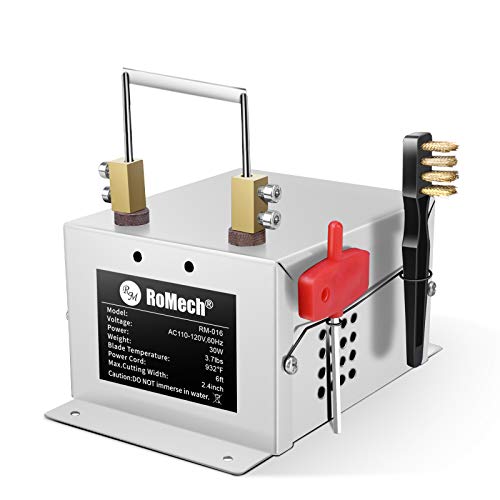
The ROMECH 30W electric rope cutter is an industrial-grade hot knife designed for heavy-duty use. It heats up quickly—reaching temperatures around 932°F in about 15 seconds—enabling fast, clean cuts through canvas, rope, webbing, and belting. This bench-mount cutting tool is suitable for commercial settings and workshops, where consistent performance and throughput matter. The tool’s ability to seal and cut with minimal mess reduces material waste and improves overall workflow efficiency in production lines or large-scale repair operations. It is designed for users who require dependable heat-based cutting and sealing across multiple materials.
Key considerations include the need for a stable work surface, proper ventilation, and safety precautions when operating hot knives. The ROMECH model offers a robust option for industries that demand repeatable results and higher heat tolerance, while still delivering manageable handling for workshop technicians who require a reliable tool for long projects and ongoing rope or fabric processing.
Buying Guide: Key Purchase Considerations
- Usage scenario: Marine, camping, or workshop environments each benefit from different levels of portability and power. Boating tasks often demand compact, handheld tools that can operate safely in tight spaces.
- Cut type: If you need sealed ends to prevent fraying, hot knife or built-in sealing features are essential. For delicate or heat-sensitive rope, a manual or serrated blade offers safer control.
- Power source and mobility: Corded devices provide consistent power but limit movement. Battery-powered models increase portability but may require more maintenance or recharging time—consider your typical work distance from power sources.
- Material compatibility: Ensure the tool handles common rope types (polypropylene, nylon, polyester) and fabrics you encounter. Some hot knives excel at synthetic ropes but may overheat or degrade natural fibers.
- Safety and ergonomics: Look for ergonomic grips, heat shields, and clear safety guidelines. A tool with a well-balanced weight reduces operator fatigue during long projects.
- Durability and replacement parts: Consider brand reliability and the availability of replacement blades or tips. Tools with readily available spare parts reduce downtime.
- Maintenance: Hot knives require careful handling, cleaning after use, and safe storage to prevent accidental burns or fire hazards.
When selecting a rope cutter, align the tool’s features with your primary tasks: quick, clean cuts and end sealing for marine lines, or precise manual cutting for field rope work. For bulk rope processing in a workshop, a higher-powered or bench-mounted unit may deliver consistent throughput. For on-the-water tasks, portability and ease of use should be prioritized. The five options above cover a range of needs, from compact handheld devices to industrial-grade cutters, enabling a tailored choice for American outdoor, boating, and maintenance audiences.