Best Leather Hide for Upholstery: Top Hides for Durable, Stylish Projects
Looking for the best leather hide for upholstery projects? This guide highlights five high-quality hides that balance durability, flexibility, and aesthetic appeal for furniture, accents, and DIY crafts. The top picks are suited for professional upholsterers, hobbyists, and homeowners refinishing sofas or chairs. Each product is evaluated for size, grain, and handling characteristics to help you choose the right hide for your project.
| Product | Size/Approx. Coverage | Best For |
|---|---|---|
| Premium Genuine Leather Natural Grain Cowhide Hides – 20 Sq Ft | 20 square feet | Large-scale upholstery and crafting |
| Premium Genuine Leather Natural Grain Cowhide Hides – 10 Sq Ft | 10 square feet | Small-to-medium furniture and detailed work |
| NAT Leathers Black Smooth Fullgrain Nappa Soft Upholstery Cowhide | 21+ sq ft (approx. 22–24 sf mentioned) | Smooth, premium upholstery projects |
| Upholstery Cowhide Leather (Whole Hides) | Average 40 sf per skin | Full-room upholstery and larger pieces |
| Earth Tone Oil Tan Leather Side – One Full Grain Side | 18–24 sf | Leathercraft, bags, belts, and upholstery |
Premium Genuine Leather Natural Grain Cowhide Hides – 20 Sq Ft
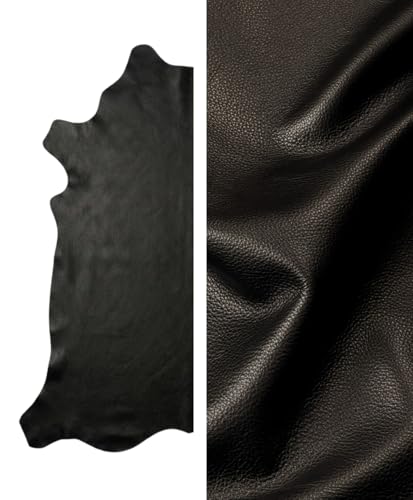
Brand: The Tannery NYC
Size and finish: Full grain cowhide with a smooth, consistent finish; the full side provides about 20 square feet of usable hides. The leather is soft with a drape suitable for upholstery, garments, and accessories.
Key features: Natural grain with even color, soft hand, durable protective finish, and a finish that resists everyday wear. This hide is ideal for large-scale upholstery projects, such as sofas or oversized chairs, as well as crafting that requires a consistent surface.
Who it’s best for: Professionals and serious hobbyists needing a substantial single piece for a high-visibility upholstery job. Choose this if you want a natural grain that’s not embossed and a consistent hue across a sizable area.
Limitations: Natural grain variation and occasional brand marks or small holes may occur; this is genuine leather, not fabric, so expect slight inconsistencies inherent to full-grain hides.
Premium Genuine Leather Natural Grain Cowhide Hides – 10 Sq Ft
Brand: The Tannery NYC
Size and finish: Half-side hide, approximately 10 square feet; full-grain cowhide with a smooth, even finish that drapes nicely and remains soft with use.
Key features: Consistent color and texture with natural grain; durable finish designed to withstand daily wear while remaining workable for upholstery and garments.
Who it’s best for: Crafters and upholsterers working on medium-sized furniture or detailed pieces where a uniform grain matters. Choose if you want a natural look with less waste on smaller projects.
Limitations: As with full-grain hides, expect natural variations in grain and color across the skin; some brand marks or small holes may appear.
Upholstery Cowhide Leather (Whole Hides) – Luggage Distressed

Brand: The Tannery NYC
Size and finish: Whole hide typically around 40 square feet per skin with a 1.0–1.2 mm thickness. Distressed luggage finish adds character suitable for vintage-inspired upholstery.
Key features: Cowhide leather suitable for upholstery with a sturdy, pliable feel. The large hide reduces seams for big furniture projects.
Who it’s best for: Upholsterers and DIYers tackling full-room projects or large furniture pieces where a single hide minimizes joins. Best for rustic or vintage aesthetics.
Limitations: Distressed finish may not suit all design styles; expect variation in surface texture across the hide.
Earth Tone Oil Tan Leather Side – One Full Grain Side

Brand: SLC (Springfield Leather Company)
Size and finish: One full grain side, approximately 18 to 24 square feet; oil-tanned finish provides a durable, flexible surface with rich earth tones.
Key features: Premium full-grain leather with natural grain and character; strong yet pliable enough for tooling, cutting, and stitching on larger or more detailed projects.
Who it’s best for: Leather crafters and upholsterers who want a natural, earthy tone and a sturdy side hide for bags, belts, or furniture pieces.
Limitations: Color depth and grain may vary slightly between hides; consider batch matching for large projects to ensure consistency.
Additional Buyer’s Guide: Selecting The Right Leather Hide
What size do you need?
For large furniture pieces, prefer full hides or 20–40 square foot options to minimize seams. Smaller projects can use 10–12 square feet or halves, depending on design requirements.
What grain and finish matter?
Natural grain hides offer authentic texture and patina, but expect natural variation. Smooth, full-grain hides are ideal for clean upholstery surfaces and show fewer imperfections on a high-end piece.
How thick should the hide be?
Most upholstery hides fall around 1.0–1.2 mm thickness (roughly 3 oz). Thicker hides provide more durability for high-use pieces, while thinner hides are easier to work with for detailed work or curved shapes.
Color and consistency considerations
Natural variations in color and grain are common in genuine leathers. If color uniformity is critical, select hides marketed as consistent color matches or consider dyeing after installation to achieve a uniform look.
How to plan for seams and patterns
Lay out hides with grain direction in mind to preserve a cohesive look. For large sofas or chairs, plan seam placement to minimize visibility and optimize seating comfort.
Buying Guide: Key Purchase Considerations
- Project scope: Match hide size to furniture dimensions and desired look.
- Grain authenticity: Decide between natural grain and uniformly embossed surfaces.
- Workability: Consider hide thickness and flexibility for stitching and tooling.
- Color consistency: Expect natural variation; plan for batch matching if color uniformity is crucial.
- Finish durability: Choose hides with protective finishes if the project will see regular use.
- Maintenance: Real leather benefits from regular conditioning and proper cleaning to maintain suppleness.
Frequently Asked Questions
- What is the best leather hide for a large sofa?
Look for a full-size hide around 20–40 square feet to minimize seams and provide a uniform surface. - Are natural grain hides better than smooth hides for upholstery?
Natural grain hides offer authentic texture and a richer patina over time, while smooth hides provide a cleaner, more uniform appearance. - Can I use these hides for both upholstery and crafting?
Yes. Most hides shown are suitable for upholstery, crafting, tooling, and DIY projects, depending on thickness and finish. - Do all hides come with consistent color across the skin?
Natural grain hides may show slight color variation across areas. Brand marks or minor imperfections are common in genuine leather. - How thick are typical upholstery hides?
Common thickness is about 1.0–1.2 mm, with some hides thicker for durability and others thinner for ease of handling. - Is it better to buy more than one hide for a single project?
For large pieces or matched color/value, purchasing multiple hides with similar tones and grain can ensure consistency and minimize seams.