Best Liquid Cement for Plastic: Top 5 Adhesives for Clear, Strong Bonds
When repairing or fabricating plastic projects, choosing the right liquid cement can mean the difference between a clean seam and a visible gap. This guide highlights five reliable liquid cements designed to bond various plastics, including styrene, ABS, acrylic, and plexiglass. Each option offers quick setting times, clear results, and durable adhesion for hobby models, crafts, and quick repairs. The table below provides a quick snapshot of the featured products and core capabilities.
| Product | Brand | Key Features | Typical Use |
|---|---|---|---|
| Testors Liquid Cement for Plastic | Testors | Liquid cement, model cars, plastics | General plastic models and crafts |
| Testors 281216 Liquid Cement for Plastic, 1 Fl Oz | Testors | Fast-dry, strong hold, polystyrene and ABS | Model building and crafts |
| Acrylic Bonding Cement with Applicator Bottle 4 oz | Unknown (brand listed with product) | Precision bond, fast-setting, crystal clear finish | Acrylic and plexiglass projects |
| IPS Weld-On 3 Acrylic Plastic Cement | IPS | Clear, strong bond, needle applicator | Acrylic sheets and plastics |
| BAZIC Products Contact Cement Glue 1 Oz | BAZIC | Multi-surface, cement glue for plastic and more | General repairs and crafts |
Testors Liquid Cement For Plastic

Testors Liquid Cement for Plastic is a straightforward adhesive option for model builders and hobbyists working with common plastics. Designed to dissolve and fuse polystyrene and other plastics, it creates a strong, seamless bond ideal for model car bodies and similar projects. The product’s liquid form allows it to wick into small gaps, reducing the need for clamps and preventing visible seams. For best results, apply sparingly along the joint and allow adequate drying time before handling.
Testors 281216 Liquid Cement for Plastic

This Testors variant emphasizes a fast-dry formula that delivers a lasting bond between common plastics such as polystyrene and ABS. The cement is formulated to dissolve the plastic surface slightly, enabling a cemented bond that’s stronger than typical glues. It is well-suited for model kits, crafts, and small plastic assemblies where quick turnaround is important. Users should apply thin layers, press the parts together, and recheck alignment before the cement cures fully.
Acrylic Bonding Cement With Applicator Bottle

This acrylic-specific cement features a water-thin formula designed to flow into tight joints for clean, strong bonds on acrylic and other transparent plastics. Its fast-setting nature supports quick repairs and production work, making initial bonds in minutes with full strength after curing. The crystal-clear finish helps maintain the appearance of plexiglass and acrylic sheets, reducing visible edge lines in transparent assemblies.
IPS Weld-On 3 Acrylic Plastic Cement

IPS Weld-On 3 is a classic choice for acrylic applications, offering a clear, durable bond with a precision applicator that minimizes mess. This cement is ideal for bonding acrylic sheets, panels, and similar plastics used in displays, light boxes, or model assemblies. The included applicator helps control flow into tight joints, while the clear finish preserves the aesthetic of transparent parts. For best results, align parts precisely before applying a thin bead along the mating surfaces and allow curing according to instructions.
BAZIC Products Contact Cement Glue
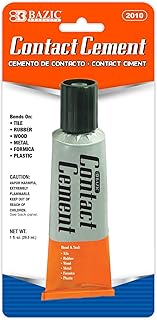
BAZIC Contacts Cement Glue is designed for versatility across multiple surfaces, including plastic, tile, wood, rubber, Formica, and metal. It provides a strong, fast-setting bond suitable for repair work and craft projects where a reliable, general-purpose cement is needed. While it offers good adhesion to many plastics, ensure the substrate is clean and dry for best results. Follow product instructions for open time and curing to avoid premature movement before full strength develops.
Buying Guide: Key Considerations For Liquid Cement On Plastic
- Plastic Type Compatibility: Check whether the cement is formulated for polystyrene, ABS, acrylic, plexiglass, or a broad spectrum of plastics. Some formulations perform best on specific materials, while others are versatile.
- Setting And Curing Time: Fast-setting formulas speed up assembly but may require careful positioning. Consider work-in-time versus final strength when planning builds or repairs.
- Bond Strength And Clarity: For visible seams, choose adhesives that cure clear and minimize edge visibility. For transparent plastics, clarity is especially important to preserve aesthetics.
- Application Method: Applicator bottles, precision tips, and needle applicators help control flow into tight joints. A liquid cement that wicks into gaps often reduces gaps and gaps in joints.
- Surface Preparation: Clean, dry surfaces bond best. Lightly sanding or scoring plastic edges can improve adhesion but should be compatible with the chosen cement to avoid cracking or crazing.
- Safety And Handling: Follow ventilation guidelines and use gloves as needed. Some solvents can affect finished pieces or paint coatings if not fully cured.
- Reworkability: Some solvent-based cements offer limited repositioning time, while others allow adjustments before final cure. Plan assembly steps accordingly.
- Brand And Availability: Choose reputable brands with clear instructions and compatible applicators. Availability through major retailers and consistent packaging helps with replacements.
In selecting a liquid cement for plastic, users should prioritize material compatibility, bond strength, and the ability to achieve clean, nearly invisible joints. The five products highlighted provide a range of strengths and application styles to fit hobby, craft, and model-building needs, from rapid polystyrene adhesion to precise acrylic bonding.
Buying Guide: Final Considerations And Comparisons
For projects requiring high clarity and strong bonds on transparent plastics, acrylic-specific cements with precision applicators are advantageous. When bonding broader plastic families or larger assemblies, fast-drying formulas that offer durable holds may better support quick iterations. Model builders often value a balance between open time and final cure strength to ensure precise alignment before the bond sets. Always test on scrap material if possible and observe manufacturer safety recommendations. By comparing setting times, material compatibility, and finish outcomes, you can select the adhesive that best meets your project’s demands without sacrificing appearance or integrity.