Best Low-Angle Jack Planes for Precision Woodworking
For fine joinery, trimming end grain, and achieving razor-thin shavings, a reliable low-angle jack plane is essential. This guide reviews top options that balance edge retention, comfort, and adjustability. Each pick is evaluated for control, blade steel, and ease of setup to help American woodworkers select a plane that delivers consistent results across various woods and projects.
Summary of chosen products
| Product | Brand | Key Benefit | URL |
|---|---|---|---|
| STANLEY Hand Planer, No.62 | STANLEY | Extra-thick A2 steel blade; comfortable cherry wood handles | Link in article |
| Melbourne Tool Company Low-Angle Jack Hand Plane | Melbourne Tool Company | Long sole with low-angle bed for control | Link in article |
| Melbourne Tool Company Low Angle Block Plane | Melbourne Tool Company | High-speed steel blade; precise depth adjustments | Link in article |
| Woodriver Low Angle Block Plane With Adjustable Mouth | WOODRIVER | Classic design with adjustable mouth, 12° bed | Link in article |
| Bench Dog No. 60-1/2 Block Plane | Bench Dog | Fully adjustable mouth; precision castings; included accessories | Link in article |
STANLEY Hand Planer, No.62, Low Angle Jack (12-137)

The STANLEY No.62 is built around an extra-thick 1/8-inch (3.18 mm) A2 steel iron designed for excellent edge retention. Its cherry wood handle and knob provide comfortable handling during extended sessions, and the Norris-type adjustment mechanism offers precise control for depth and alignment. This combination suits both coarse planning and fine tuning on smaller joinery tasks, making it a versatile choice for a low-angle jack plane role.
Melbourne Tool Company Low-Angle Jack Hand Plane

This plane combines a long sole with a low-angle bed to provide balanced control for both rough and fine work. Depth of cut is adjusted via dedicated wheels for depth and lateral movements, enabling precise shaving control. The blades fix firmly to the plane casting, ensuring maximum cutting edge support during demanding tasks and helping maintain flatness across long spans of stock.
Melbourne Tool Company Low Angle Block Plane

Equipped with M2 high-speed steel blades, this model offers outstanding wear resistance and a sharp edge retention profile. The blade depth adjustment via the wheel provides nuanced control for both coarse shaving and fine finishing, while the blade seating on the plane casting supports maximum stability during use. This makes it a strong option for tasks requiring consistent performance across different grain orientations.
Woodriver Low Angle Block Plane With Adjustable Mouth
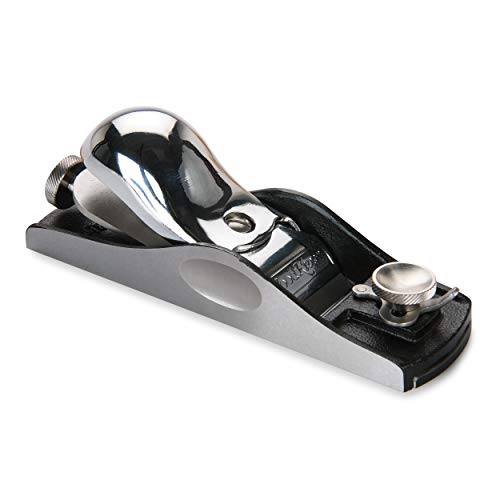
Woodriver presents a classic low-angle block plane with an knuckle-style lever cap and a 12-degree bed angle. The adjustable mouth enables fine-tuning for end grain or face grain work, making it suitable for precise fitting tasks such as molding, rebate work, and fine-titting adjustments in joinery. Build quality aligns with Woodcraft-sourced tooling, offering reliable performance for hobbyists and professionals alike.
Bench Dog No. 60-1/2 Block Plane

Bench Dog’s No. 60-1/2 blocks plane emphasizes low-angle performance with a fully adjustable mouth and precision machining. The tool is designed for trimming end grain, fitting miters, and adjusting doors and drawers. Its fine-grain castings and included accessories—such as a case and a certificate of inspection—help users verify sole flatness and blade hardness, supporting repeatable results across projects.
Taytools 469607 Jack Smoothing Bench Hand Plane
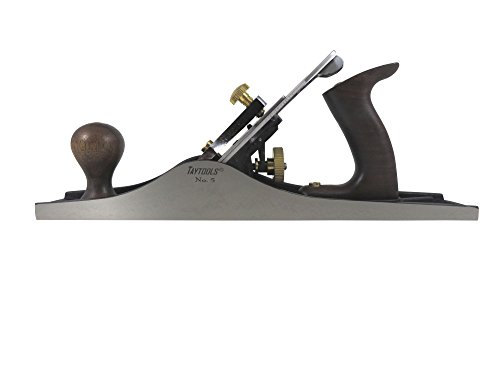
Taytools offers a ductile cast iron body with a 55-60 Rockwell blade hardness, a 14-3/4 inch sole, and a Sapele handle and tote. The ductile iron provides durability and rigidity for precise shaving control. This model is positioned as a robust option for smoothing tasks and joint work where a low-angle angle is advantageous for minimizing tear-out in difficult grains.
Woodriver 25 Degree Replacement Blade for No. 62 Low Angle Jack Plane

This replacement blade from WoodRiver uses Mn65 high-carbon steel for sharp, durable edges. The 2-inch-wide blade profile suits the No. 62 plane’s geometry, offering a reliable option to refresh or upgrade an existing tool. WoodRiver emphasizes compatibility with Woodcraft’s broader line, ensuring easy sourcing of matching parts and support.
Buying Guide: Key Considerations For Low-Angle Jack Planes
- Blade steel and edge geometry: Look for high-carbon steel or tool steel with hardened edges to maintain sharpness under repeated use. Consider take-and-keep-edge performance on both hard and soft woods.
- Bed angle and sole: A low-angle bed (typically around 12 degrees) paired with a well-formed sole reduces tear-out on end grain and helps with delicate trimming. Ensure the sole is flat and true for consistent shavings.
- Adjustability: A reliable depth and lateral adjustment system is crucial for precise shavings and consistent blade alignment. Wheels or screw-based adjustments can offer smoother control.
- Mouth opening: An adjustable mouth allows you to fine-tune the plane’s bite for different stock and grain directions. Smaller openings reduce tear-out in fine work; larger openings aid stock removal in rough work.
- Ergonomics and weight: comfortable handles, a well-balanced body, and a sturdy tote support longer sessions and reduce fatigue, especially during fine fitting tasks.
- Replacement parts availability: Consider brands that offer accessible replacement blades and parts to extend the tool’s life and maintain performance over time.
- Accessory ecosystem: Some models come with case, gauges, or inspection certificates. While not essential, these add-ons can help maintain accuracy and organization in a workshop.
In selecting the best low-angle jack plane, balance is key: you want a tool that delivers clean, controlled shavings, yet remains comfortable and durable through lengthy sessions. The options listed here span traditional craftsmanship and modern steel technology, giving woodworkers a spectrum of choices to match their projects—from delicate trimming to joint-fit precision.