Best Masonry Paint for Concrete: Top Picks for Water Resistance and Lasting Finish
Choosing the right masonry paint for concrete walls, basements, or exterior surfaces requires evaluating water resistance, adhesion, alkali tolerance, and ease of application. The following selections emphasize waterproofing, durability, and suitability for bare concrete, brick, stucco, and masonry blocks. The list below highlights five options that balance performance with practicality for American homes.
| Product | Brand | Type | Notes |
|---|---|---|---|
| KILZ Basement and Masonry Waterproofing Paint | KILZ | Interior/Exterior, Waterproofing | Waterproofs and seals porous surfaces |
| KILZ Self-Priming Masonry, Stucco and Brick Paint (Gray) | KILZ | Interior/Exterior, Self-Priming | Excellent hiding and adhesion |
| INSL-X WaterBlock Acrylic Masonry Waterproofer Paint | INSL-X | Waterproofer, White | High alkali resistance, fast-drying |
| KILZ Self-Priming Masonry, Stucco and Brick Paint (White) | KILZ | Interior/Exterior, Self-Priming | Covers textured masonry well |
| Rustins MASPW500 Masonry Paint White 500ml | Rustins | Small-format, White | Easy brush-on application |
KILZ Basement and Masonry Waterproofing Paint
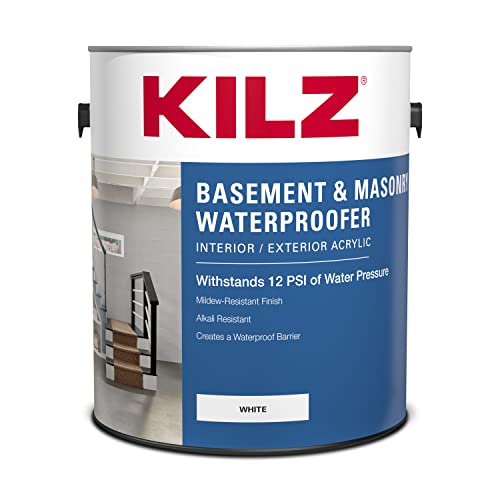
This premium interior/exterior coating is designed to waterproof and seal porous concrete and masonry surfaces. The formula uses nanotechnology to create a moisture barrier, while an alkali-resistant coating adds long-lasting durability and decorative appeal. It is suitable for above- and below-grade basement walls, masonry surfaces, retaining walls, cinder blocks, stucco, and brick. Do not use on floors or on walls with active leaks. Application is flexible via roller, brush, or airless spray with appropriate tip settings.
KILZ Self-Priming Masonry, Stucco and Brick Paint (Gray)

This acrylic latex water-based paint provides strong hiding power with excellent adhesion and water repellency on textured interior and exterior surfaces. It is self-priming and suitable for smooth, rough, and textured masonry, drywall, stucco, and brick. Alkali-resistant up to pH 12.0, it cleans with soap and water and accepts rolling, brushing, or spraying for versatile application.
INSL-X WaterBlock Acrylic Masonry Waterproofer Paint
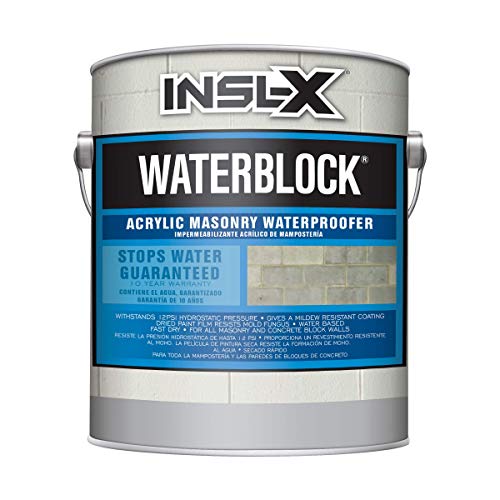
This water-based coating is designed to seal vertical interior and exterior concrete walls, including basement foundations, foundations, and retaining walls. It dries quickly and provides waterproof protection for interior/exterior use on basement walls, cinder blocks, stucco, brick, and masonry. It features high alkali resistance—up to pH 13—making it suitable for challenging surfaces.
KILZ Self-Priming Masonry, Stucco and Brick Paint (White)

This white, self-priming acrylic latex paint offers strong hiding power and adhesion on flat, textured, and rough masonry as well as drywall, stucco, and brick. It is alkali-resistant up to pH 12.0 and easy to apply, with cleaning possible using soap and water. It supports rolling, brushing, or spraying for flexible project options.
Rustins MASPW500 Masonry Paint White 500ml

Rustins Masonry Paint in Matt White offers a simple brush-on application for masonry surfaces. The surface should be clean, dry, and free from dust or contaminants that could reduce adhesion. This small-format option is useful for spot touch-ups or smaller projects where a matte finish is desired.
Buying Guide: Key Purchase Considerations
When selecting masonry paint for concrete, consider the following factors to balance performance and cost:
- Waterproofing vs. cosmetic finish: Some paints focus primarily on moisture barriers (like KILZ Basement and Masonry), while others prioritize hiding properties and color (like self-priming options). Decide whether you need active water sealing or a decorative finish with water resistance.
- Alkali resistance: Concrete is highly alkaline. Look for products rated to withstand high pH levels (pH 12–13). This reduces discoloration and degradation over time.
- Surface compatibility: Identify whether surfaces include basement walls, cinder blocks, stucco, brick, or concrete blocks. Some products are designed for interior use only, while others tolerate exterior exposure and contact with wet conditions.
- Priming needs: Self-priming options can save steps, but ensure the surface is properly prepared (clean, dry, and cured). For highly textured surfaces, consider products with strong adhesion properties to avoid peeling.
- Application method: Roller, brush, and spray compatibility varies. Tools scale from 1/2″ to 3/4″ nap rollers for porous masonry to sprayers for larger areas. Check the spray tip size and PSI recommendations where applicable.
- Color and finish: White or gray tones are common for masonry; consider whether you want a flat, satin, or matte finish, and how it will pair with adjoining surfaces.
- Indoor vs. outdoor durability: Exterior exposure requires materials with UV resistance and weather tolerance. Interior products may focus more on moisture sealing and vapor control.
- Maintenance and cleanup: Water-based formulas generally wash up with soap and water, simplifying maintenance after application.
For optimal results, prepare surfaces by removing loose material, cleaning dust, and allowing full cure time before painting. Follow manufacturer guidelines for humidity, temperature, and recoat windows to maximize adhesion and long-term performance.