Best Metal Cutting Saw Blades for Precise, Durable Cuts
Choosing the right metal cutting saw blade depends on material type, cutting speed, and desired finish. This guide highlights five top-performing blades across steel, aluminum, and ferrous metals. Each option emphasizes durability, cool cutting action, and long life to help you select the best blade for your project.
Summary of chosen products:
| Product | Brand | Type | Notable Features |
|---|---|---|---|
| DEWALT 14″ Chop Saw Blade | DEWALT | Chop Saw / Cut-Off Wheel | Aluminum oxide grain, aggressive cutting, durable mix |
| Diablo Steel Demon D1472CF | Diablo | 14″ Circular Blade | Cermet II teeth, cooler and faster cuts, triple chip grind |
| TOLESA 9″ Metal Cutting Blades (5 Pack) | TOLESA | Bi-Metal Reciprocating Saw Blades | Cobalt edge, heat reduction, fast cutting |
| Diablo D0748CF | Diablo | 7-1/4″ Metal Cutting Blade | Cermet II teeth, Perma-Shield coating, long life |
| Evolution 14BLADEST | Evolution | Chop Saw Blade | Carbide-tipped, mild steel focus, no heat or burrs |
DEWALT 14″ Chop Saw Blade, Metal Cut-Off Wheel

The DEWALT DW8001 blade uses a high-performance aluminum oxide grain designed for long life and fast cutting. Its high grain concentration supports aggressive cutting action while maintaining a smoother running wheel. The proprietary material mix helps extend wheel life, making it a solid option for frequent metal cutting tasks where dependable performance matters.
Diablo Steel Demon D1472CF Blade

Diablo’s D1472CF features Cermet II teeth that deliver up to 25X longer life with high heat tolerance and increased hardness for metal cutting. The blade runs cooler and cuts faster—up to 50X cooler and 10X faster than standard grinding discs—reducing heat buildup and cutting time. The triple chip grind yields precise, burr-free cuts with fewer sparks, minimizing post-cut cleanup and improving efficiency in metalworking projects.
TOLESA Heavy Metal Cutting Reciprocating Saw Blades (5 Pack)

TOLESA’s 9-inch blades are designed for metal cutting with a sturdy cobalt edge. They are optimized for sheet metal, metal pipe, and profiles up to 0.3 inches thick and diameters under 7 inches. The 0.9 mm wall thickness and set teeth reduce heat buildup, improving efficiency for heavy metal cuttings. With 14TPI teeth, these blades offer longer life and faster cuts than standard bi-metal alternatives, especially in demolition work.
DEWALT Reciprocating Saw Blades, 6-Inch 24 TPI (DW4813)

DEWALT’s 6-inch, 24 TPI bi-metal blades balance durability and flexibility for versatile metal cutting. Constructed with hardened teeth, these blades resist wear and provide a robust cutting edge for metalwork in ferrous and non-ferrous materials. The combination of blade flexibility and a longer cutting life suits general purpose metal cutting tasks in workshops and construction sites.
Diablo Steel Demon D0748CF

Diablo’s D0748CF features Cermet II teeth with a Perma-Shield coating for durability and smoother performance. Its 7-1/4″ diameter and 48 teeth provide a balance of endurance and precision, minimizing blade changes in ongoing metal cutting jobs. The blade’s design emphasizes reduced heat generation and extended life in medium metal cutting tasks, making it a practical option for circular saw work.
Evolution 14BLADEST 14-Inch Blade
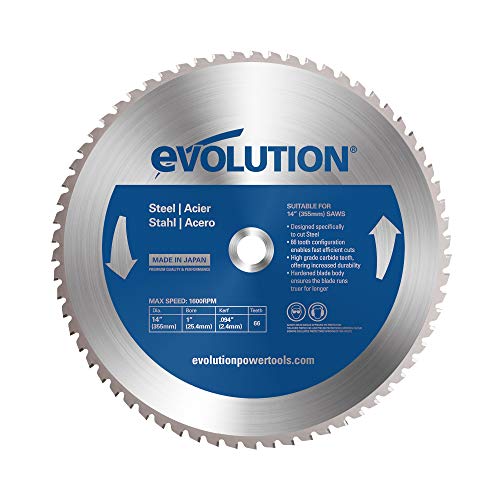
Evolution’s 14BLADEST is designed for cutting mild steel with a 66-tooth count, specifically for chop saws. The blade uses carbide-tipped teeth to reduce heat and burrs while delivering clean cuts with virtually no sparks. It’s positioned for applications where clean, cool cuts of ferrous metal are prioritized, while helping to maintain the integrity of the material and tool.
Buying Guide: Key Purchase Considerations
- Material compatibility: Different blades are optimized for mild steel, stainless steel, aluminum, and other metals. Match blade composition (carbide-tipped, Cermet II, aluminum oxide) to your primary material to maximize life and performance.
- Tooth geometry and count: Higher tooth counts typically yield cleaner cuts but may cut slower, while lower tooth counts cut faster but with more burrs. For chop saws and metal cutting discs, consider the balance between speed and finish.
- Cutting method and equipment: Circular saw blades, chop saw wheels, and reciprocating saw blades are not interchangeable. Ensure the blade type and arbor size fit your tool and intended cut (straight cuts, miters, or curved work).
- Heat management: Blades designed for cooler cuts reduce warping and discoloration. Consider cool-cut technologies, such as Cermet II teeth and coatings like Perma-Shield, for heavy metal work.
- Durability vs. cost: Long-life blades reduce downtime and replacement costs. For frequent metal cutting, prioritize durable teeth and coatings even if upfront price is higher.
- Safety and compliance: Use blades with appropriate protective coatings and ensure proper speeds (RPM ratings) are matched to your tool’s capabilities to avoid kicks or blade failures.
- Availability and warranties: Consider brands with proven performance records and good warranty terms. Availability of spare blades and replacements can affect long-term project planning.