Best Moisture Barrier for Walls: Top Picks for Preventing Dampness
Choosing the right moisture barrier for walls is essential to protect basements, crawl spaces, and exterior foundation walls from dampness and moisture intrusion. The following articles highlight high-performance barriers, tapes, and mats designed to seal, block vapor, and improve drainage. This guide compares options by thickness, coverage, durability, and ease of installation to help homeowners select a solution that fits their project needs.
| Product | Type | Thickness / Size | Key Benefit |
|---|---|---|---|
| TapeManBlue Vapor Barrier Tape | Vapor barrier tape | 4″ x 180′ (9 mil) | UV resistant, durable seam sealing |
| Crawldryer Crawl Space Vapor Barrier | Plastic sheeting | 10 mil; 10′ x 100′ | High durability, blocks vapor, multi-use |
| Whitecap Dimple Drainage Matting | Drainage matting with liner | 4′ x 50′ (25 mil + 20 mil liner) | Improves drainage, air gap, reinforced barrier |
| PU-280 Moisture Barrier (Wakol) | Moisture barrier | Not specified in listing | Fast installation, easy roller application |
| VAPLINX Panda Film (12′ x 12′) | Panda film vapor barrier | 10 mil (10′ x 12′ for this item) | Double-sided black/white design, vapor blocking |
Below are five product reviews drawn from current market options. Each section provides a concise overview, installation notes, and how its features address common wall moisture challenges in American homes.
TapeManBlue Vapor Barrier Tape For Seams
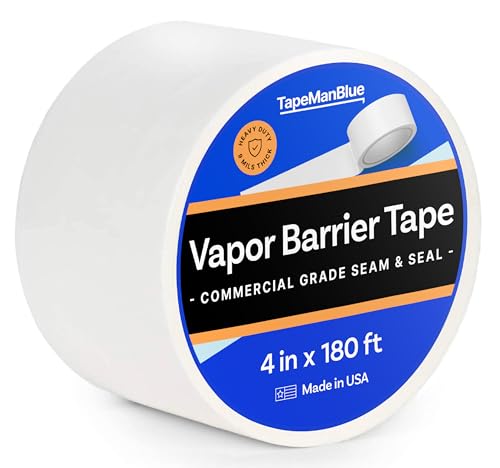
TapeManBlue’s Vapor Barrier Tape provides a robust solution for sealing plastic liners and moisture barriers. The product comes in a 4 inch by 180 foot roll with a 9 mil thickness, designed for crawl space encapsulations, underlayment, and outdoor surface protection. Its UV-resistant coating supports prolonged exposure to sunlight, making it suitable for exterior vapor barrier applications where weather can degrade lesser tapes. A strong adhesive ensures reliable seams and a tight seal against moisture intrusion, which helps maintain a drier wall surface in damp environments. Ideal for patching and repairs in addition to seaming vapor barriers and poly liners.
Crawldryer 10 Mil Crawl Space Vapor Barrier

This thick 10 mil vapor barrier film is designed for crawl space encapsulation and moisture control. The Panda Film design—black on one side, white on the other—helps manage light and heat while blocking vapor transmission. With a width of 10 feet and length of 100 feet, it covers substantial surface area, reducing the need for frequent joints. The material is described as durable and tear-resistant, suitable for use in damp basements or exterior walls susceptible to radon gas and moisture seepage. Reusability is possible with proper handling, though care should be taken to avoid punctures during installation.
Whitecap Dimple Drainage Matting 4′ x 50′

The Whitecap Dimple Drainage Matting blends a dimpled HDPE surface with a reinforced liner to form a drainage-capable moisture barrier. The matting creates an air gap between soil and walls, improving water movement away from foundations and reducing hydrostatic pressure. Thick overall protection (approximately 45 mils) enhances durability against punctures and tears. It is well-suited for basement damp-proofing, foundation wrap, and as an underlayment or vapor barrier component when a drainage layer is beneficial. The dual-color panda film design also helps with light management in some wall installations.
PU-280 Moisture Barrier By Wakol

The PU-280 moisture barrier from Wakol is presented as a fast-install option for wall damp-proofing and floor applications. The listing emphasizes speed and ease of use, noting that flooring can typically be installed in about 45 minutes with a standard roller. This barrier is designed to form an effective moisture seal on concrete or masonry surfaces, helping to prevent vapor migration into wall cavities. While the product features a simple application process, installers should consider the surface preparation requirements and cure times to optimize performance in humid or wet wall environments.
VAPLINX Panda Film Vapor Barrier (10 Mil)
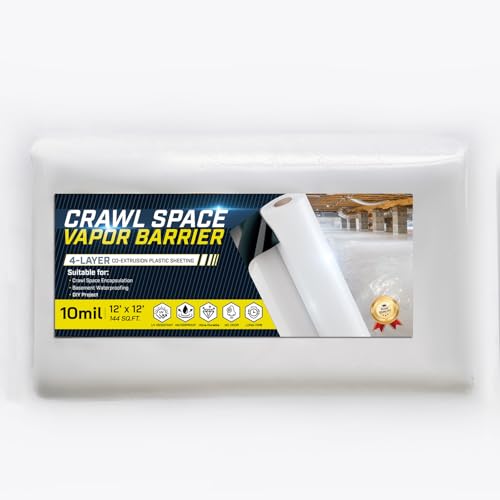
The VAPLINX panda film provides a durable dual-sided barrier with a black side to block light penetration and a white side with high reflectivity. The 10 mil thickness offers reliable vapor blocking for crawl spaces and basement walls. The panda film design aids handling and deployment, particularly in rolled-out applications where edges need to stay clean and won’t tear easily. It’s suitable for encapsulation projects and as a moisture barrier under various wall finishing systems. Users should ensure overlap and seam integrity for long-term moisture resistance.
Buying Guide: Key Purchase Considerations
- Barrier Type and Application: Decide whether you need a vapor barrier (to block vapor diffusion), a drainage matting, or a complete moisture barrier system. Tapes are ideal for sealing seams, while thick plastic sheeting and drainage mats offer broader protection.
- Thickness and Durability: Thicker films (e.g., 10–15 mil) provide stronger resistance to punctures and tears. For high-traffic or exposed exterior walls, additional reinforcement or multi-layer systems can improve longevity.
- UV and Weather Resistance: If barriers are exposed to sunlight or outdoor conditions, UV resistance helps prevent deterioration. This is important for underlayment and exterior installations where sunlight exposure is possible.
- Light Control and Reflectivity: Panda film designs with black and white sides help manage light and heat, which can affect condensation and interior humidity during installation and use.
- Ease of Installation: Look for tapes with strong adhesives for secure seams and materials that align with your workflow, whether doing crawl spaces, basements, or wall wraps.
- Compatibility and Coverage: Ensure the barrier size aligns with the wall area you’re protecting. Larger rolls reduce the number of seams, while mats add drainage performance in damp foundations.
- Maintenance and Reusability: Some barriers can be reused in other projects if not torn, while others are single-use. Consider storage conditions to preserve barrier integrity for future projects.
- Cost vs. Longevity: Higher upfront cost can translate into longer-lasting protection, reducing the need for frequent replacements or repairs in moisture-prone areas.