Best Moisture Meters for Grain: Clear Comparisons for Farmers and Processors
Answering the question “which moisture meter is best for grain?” this guide highlights five reliable options designed for grain testing in fields, storage, or processing facilities. These meters are best for farmers, grain traders, storage managers, and small-to-mid sized processors who need quick, repeatable readings. Each chosen model supports multiple grain types, offers temperature compensation, and stores readings for trend analysis. The quick-reference table below shows the five selected products and core strengths to help you decide at a glance.
| Product | |||
|---|---|---|---|
| AMTAST Grain Moisture Meter (22 Grains) | 22 grains including wheat, maize, rice, soybean | Automatic temperature compensation; low power consumption | Producers needing broad grain coverage with long battery life |
| GOYOJO Grain Moisture Tester (25 Grains) | 25 grain types including corn, wheat, rice, coffee | High precision ±0.5%; data storage | Farmers and traders who require consistent field measurements |
| Brolangt Grain Moisture Tester (25 Grains) | 25 crops | ATC, backlit display | Open facilities with variable lighting and temperature |
| AgraTronix MT-Pro Portable Moisture Tester | 40 grain scales | Direct readout; carry case | Heavy-use environments needing broad grain coverage |
| VQP Grain Moisture Tester (24 Types) | 20 types plus customizable crop profiles | Very fast results; high repeatability | Quick checks across multiple grain kinds with customization |
AMTAST Grain Moisture Meter (22 Grains)
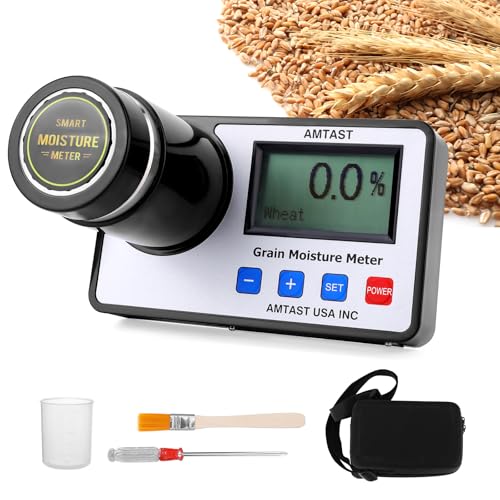
The AMTAST meter supports 22 grains, including wheat, maize, japonica rice, and soybean. It uses a multi-point calibration system for high accuracy and features automatic temperature compensation to stabilize readings across weather changes. A 9V battery keeps power use low with an automatic shutdown to extend life, making it suitable for long field sessions. Best for researchers or farmers who test a variety of grains and need dependable readings with minimal maintenance.
Best for: mixed-field operations and small mills that handle many grain types. Limitations: Reading speed may vary between grains depending on calibration quality; plan calibration checks periodically.
GOYOJO Grain Moisture Tester (25 Grains)

The GOYOJO GS25A handles 25 grain types with a strong emphasis on accuracy, delivering ±0.5% precision even under varying conditions. It also includes data storage for traceability and reports. Its portability and simple LCD interface make it ideal for field testing by farmers and traders who need quick, repeatable data on the go. Best for: high-precision field tests and record-keeping across multiple crop types. Caution: Some grains may require slight setup adjustments to optimize calibration.
Brolangt Grain Moisture Tester (25 Grains)
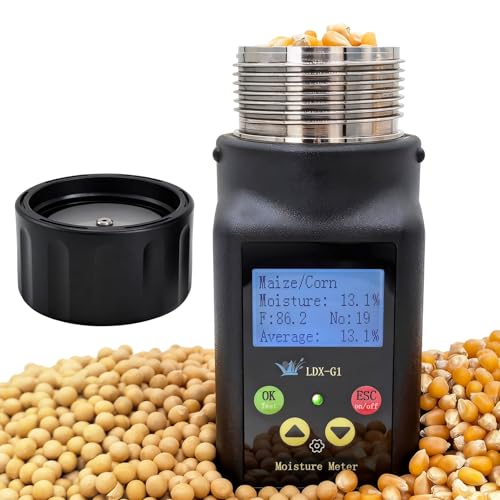
The Brolangt meter offers automatic temperature compensation and a backlit display, supporting 25 grain profiles. This combination helps ensure stable measurements in warehouses, hot days, or dim storage facilities. It is well-suited for processors and traders who need clear visibility and reliable data for decision-making. Best for: operations with mixed grains and variable lighting; choose this if you value a clear display and consistent results. Limitation: some users may prefer a larger data memory for long-term trend tracking.
AgraTronix MT-Pro Portable Moisture Tester

The MT-Pro provides a direct readout across 40 grain scales and includes a carry case for transport. It is designed for more rigorous environments where broad grain coverage and rugged durability are important. Best for: larger farms, storage facilities, or processing plants that test many grain types daily. Caution: portability advantages come with a larger device footprint; plan accordingly for tight spaces.
VQP Grain Moisture Tester (24 Types)
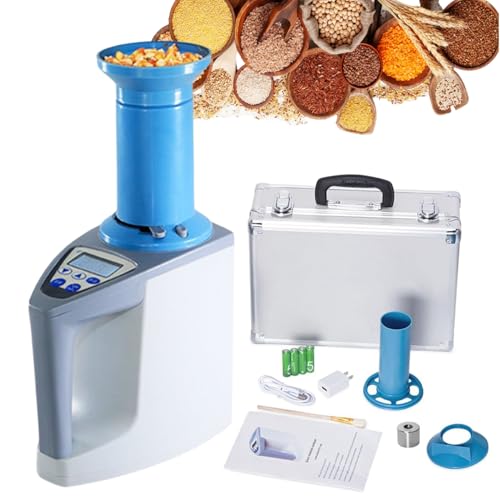
The VQP device tests 20 grain types with 24 crop profiles and offers fast results within 10 seconds with ±0.5% accuracy and ±0.2% repeatability. It supports user-customizable measurements for four grains, making it a versatile option for diverse grain inventories. Best for: quick screening and routine quality checks across multiple grains. Limitation: some advanced features require familiarity with the user interface for optimal use.
Buying Guide: Key Considerations For Your Next Grain Moisture Meter
- Grain variety: Choose a model that covers the grains you handle most, with a comfortable calibration process for each type.
- Accuracy and repeatability: Look for meters that promise ±0.5% or better and a consistent test cycle across temperatures.
- Temperature compensation: Automatic compensation helps maintain accuracy in fluctuating environments—essential for outdoor testing.
- Display and data handling: A backlit LCD and data storage improve usability in dim settings and support trend analysis.
- Portability and durability: Consider weight, size, and protective casings if you test in fields, warehouses, or trucks.
- Power and battery life: Long battery life and auto-shutdown features reduce downtime during harvest seasons.
- Calibration and maintenance: Some devices require regular calibration checks; verify availability of spare parts and support.
Frequently Asked Questions
- What is a grain moisture meter and why do I need one? A grain moisture meter measures the water content in grains to prevent spoilage and optimize drying, storage, and pricing.
- How many grains should a tester support? More grain profiles increase versatility for farmers who handle multiple crops or distributors with diverse inventories.
- Is automatic temperature compensation important? Yes, it stabilizes readings in different warehouses and field conditions, improving reliability.
- Can data be stored for trend analysis? Many meters offer data storage, which helps track moisture trends over time and support inventory decisions.
- Which device is best for field use? Look for portability, long battery life, and intuitive interfaces for quick checks in the field.
- Do these devices require calibration? Some models include automated calibration features, while others may require periodic manual calibration depending on usage.