Best Nail Gun for Roofing: Top Picks for Fast, Durable Shingle Installations
Choosing the right roofing nailer can dramatically speed up install time while ensuring secure, long-lasting shingles. This guide highlights five standout models, covering pneumatic and cordless options suitable for asphalt shingles, coatings, and related roofing tasks. Pros and cons, power, weight, and reliability are weighed to help you decide which nailer fits your roofing workflow and compressor setup. Below you’ll find quick comparisons and in-depth product sections to inform your next purchase.
Summary of chosen products
- Metabo HPT NV45AB2 Roofing Nailer — 16 Degree, pneumatic, 5.7 lb, high nail capacity
- Bostitch RN46 Coil Roofing Nailer — 3/4″ to 1-3/4″, lightweight, reliable
- 3PLUS HCN45SP 11 Gauge — 15 Degree, adjustable shingle guide
- BOSTITCH BRN175A Roofing Nailer — 15-Degree coil, upgraded drive and dual-door magazine
- DEWALT 20V Max Cordless Roofing Nailer — brushless motor, bump mode for efficiency
Metabo HPT NV45AB2 Pro-Preferred Roofing Nailer

The Metabo HPT NV45AB2 is a versatile pneumatic roofing nailer designed for asphalt shingles and other roofing tasks. It drives up to three nails per second and operates within a 70-120 PSI range for consistent results. A tool-less depth of drive adjustment supports precise nailing and flush driving, and the 16-degree magazine holds up to 120 nails. Weighing about 5.7 pounds, its balanced design reduces user fatigue, while a side-loading magazine enables quick nail replenishment and efficient operation.
BOSTITCH RN46 Coil Roofing Nailer

This coil roofing nailer from Bostitch features a lightweight aluminum housing designed for durability on busy job sites. It includes a zero nail lockout to prevent dry firing and a reload indication to prevent unexpected outages. The nosepiece uses carbide inserts for longer wear life, improving overall performance during continuous roofing work. The tool is engineered for reliability in challenging conditions and sustained daily use.
3PLUS HCN45SP 11-Gauge Coil Roofing Nailer
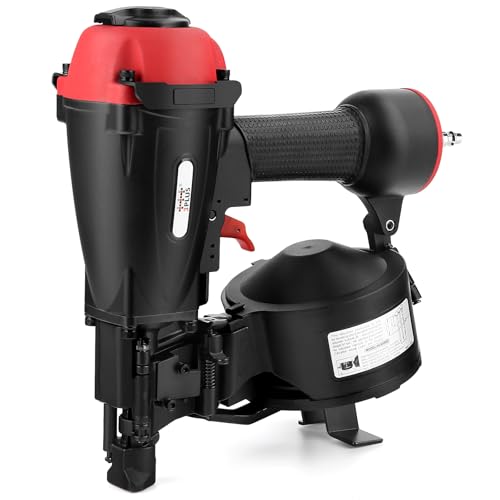
The 3PLUS HCN45SP 11-gauge coil roofing nailer covers 3/4″ to 1-3/4″ nails and offers an adjustable shingle guide for quick, consistent spacing. Built-in side skid pads prevent slipping on roof surfaces, enhancing control and safety during placement. This tool emphasizes ease of use for professional roofers and DIY installers alike, with a focus on reliable performance across a range of shingle types.
BOSTITCH BRN175A Roofing Nail Gun

The BRN175A introduces an upgraded engine and feed system aimed at improved drive quality, performance, and durability. Its dual-door magazine design offers flexible loading options, and the tool-free depth adjustment helps set nails precisely. This model is positioned for steady, high-volume roofing applications where drive consistency matters.
DEWALT 20V Max Cordless Roofing Nailer
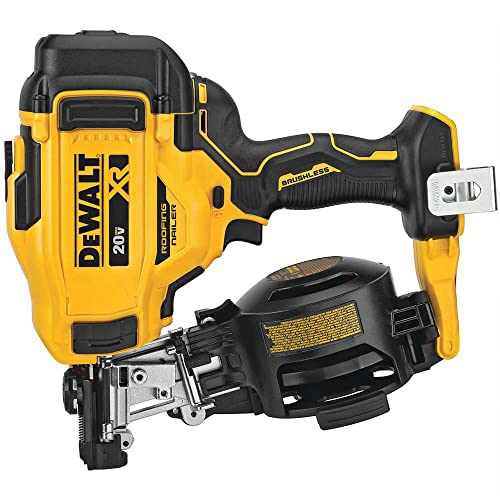
The DEWALT 20V Max cordless option features a brushless motor for increased runtime and durability. It includes a bump mode to boost efficiency and productivity on the roof. While cordless, it provides the mobility to work without a compressor, making it suitable for overhead or hard-to-reach installations. Product notes include standard international considerations for imported stock and language of instructions.
Metabo HPT Pneumatic Roofing Nailer Bundle

This pro bundle includes a 1-3/4″ coil roofing nailer plus an 18V impact driver kit, battery, and charger. The nailer has a robust track record, and the bundled impact driver adds versatility for fastening other components on the job site. The kit is designed for professionals seeking a combined power solution for roofing and adjacent tasks.
Porter-Cable RN175C 15-Degree Pneumatic Coil Nailer

Porter-Cable’s RN175C uses a 15-degree coil for efficient shingle installation. A new engine design with feedback improves performance and durability, while a tool-free depth adjustment detents allow quick nail setting. The steel contact safety with carbide inserts minimizes wear during heavy use on pitched roofs.
toolant Roofing Nailer

The toolant roofing nailer handles 3/4″ to 1-3/4″ nails with 120-nail coil capacity and a 70-120 PSI range. It promises fast performance, sinking nails flush with each shot. The rugged metal housing resists drops and bumps, making it suitable for demanding roofing projects, fencing, and siding work.
Buying Guide: Key Purchase Considerations
- Fuel vs. corded power: Pneumatic nailers require a compressor; cordless options (like the DEWALT) provide mobility but trade off runtime for hardware and battery capacity.
- Degree and coil type: 15- or 16-degree coils are common for roofing. Coil nails reduce reloading frequency on large jobs but may add weight.
- Weight and balance: Lighter tools reduce user fatigue, especially on steep roofs. Consider tool weight, balance, and ergonomics for all-day use.
- Depth of drive and adjustments: Tool-free depth adjustments allow precise nail setting for flush alignments and avoiding nail pop.
- Magazine capacity and reloading: A higher nail capacity minimizes downtime. Side-loading magazines enable quick reloads on ladders or sloped roofs.
- Durability features: Carbide inserts, skid pads, and rugged housings help withstand job-site wear and tear.
- Maintenance and warranties: Look for clear maintenance requirements and solid warranty support for long-term reliability.
- Compatibility with existing tools: If you already own a compressor or batteries, match new tools to your current gear to minimize additional investment.
Performance Perspectives
- Pneumatic models generally deliver steady power and nail consistency with ample air supply; they excel on longer roofs where a compressor can sustain output without interruption.
- Cordless options offer freedom of movement and are ideal for roofs with limited access to power sources or for quick jobs, but consider battery runtime and charging time for larger projects.
- Adjustability features such as depth control and shingle guides help ensure proper nail depth and spacing, reducing the risk of leaks or loose shingles.
- Durability features like carbide inserts and metal housings improve life on rough job sites, but weight may be a consideration for fatigue during extended use.
Please note: This article presents objective product features and does not include price information. For current pricing and availability, visit the linked product pages.