Best Non Slip Concrete Sealer for Pool Decks: Top Picks and Buying Guide
Choosing the right non-slip concrete sealer for pool decks is essential for safety and durability. This guide reviews five top products that help reduce slips on wet surfaces while protecting concrete from water damage, chemicals, and wear. Each option offers unique benefits, from anti-slip formulas to penetrating sealers that preserve the surface’s feel and color. Below is a quick summary followed by detailed product sections and a practical buying guide.
| Product | Brand | Type | Key Benefit | Surface |
|---|---|---|---|---|
| Miracle Sealants 511 Anti-Slip | Miracle Sealants | Anti-slip treatment | Increases slip resistance on stone and concrete | Tile, stone, concrete, grout |
| Trip Guard – Clear Anti Slip | TUB GUARD NON-SLIP COATING | Non-slip coating | Commercial grade traction for wet areas | Concrete, brick, tile, stone |
| DryWay Water-Repellent Concrete Sealer | RadonSeal | Penetrating sealer | Long-lasting water protection without film | Concrete, brick, pavers |
| Siloxa-Tek 8500 Ready to Use | Ghostshield | Penetrating sealer | High actives for long-lasting moisture protection | Concrete, brick, masonry |
| Armor AR350 Low Gloss Wet Look | Foundation Armor | Solvent-based sealer | Color-enhancing wet look with durable finish | Exterior concrete and pavers |
Miracle Sealants 511 Anti-Slip Treatment
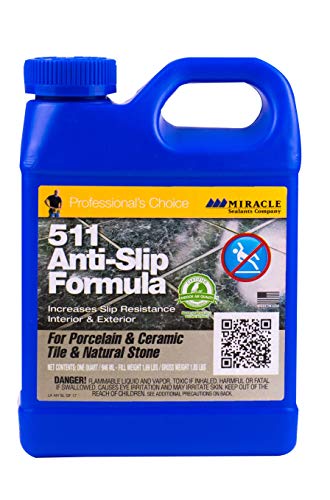
Miracle Sealants 511 Anti-Slip Treatment is designed for interior and exterior use on granite, travertine, ceramic, marble, natural stone, grout, limestone, concrete, and more. Its anti-slip formula increases slip resistance, creating a less slick surface, which is particularly valuable around pool decks that frequently get wet. A quart coverage of up to 750 square feet makes it suitable for medium to larger pool areas. The product is formulated to be compatible with both indoor and outdoor surfaces, offering a protective barrier without a heavy film. This can help maintain traction on damp concrete or stone while preserving the surface’s natural appearance.
Trip Guard Clear Anti Slip Safety Tile And Floor Treatment

Trip Guard’s clear anti-slip coating is designed for high-traffic, wet areas. Marketed as a commercial-grade textured non-slip coating, it provides durable traction on surfaces such as concrete, decked areas, stairs, and walkways. The formula dries quickly, with low odor and non-toxicity, and it is suitable for interior and exterior use. Coverage is up to about 400 square feet per application, and it’s suitable for a wide range of substrates including concrete, brick, stone, tile, porcelain, cast iron, steel, and more. For pool decks that endure frequent splashes, this coating offers a long-lasting, slip-resistant finish with minimal downtime.
DryWay Water-Repellent Concrete Sealer

DryWay is a penetrating silane/siloxane sealer that protects concrete without forming a film. It penetrates deeply to resist water, salts, and contaminants, which is advantageous for pool decks exposed to chlorinated water and weather. The product is designed for long-lasting protection, offering up to several years of durability in high-traffic areas. It preserves the natural look and feel of the concrete, helps prevent freeze-thaw damage, and remains non-slip when applied correctly. It is suitable for interior and exterior applications, including driveways, patios, and pool decks.
Siloxa-Tek 8500 Ready to Use
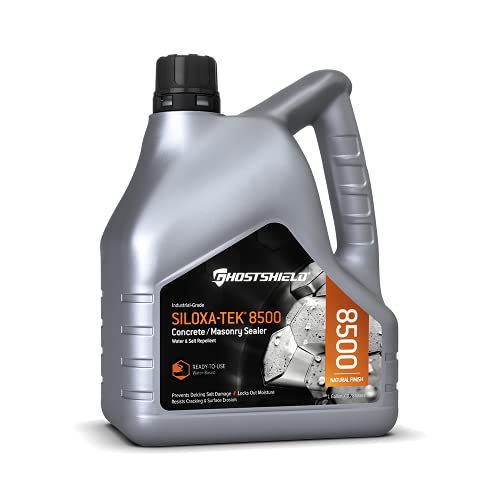
Ghostshield Siloxa-Tek 8500 is a water-based, silane/siloxane penetrating sealer designed to reduce water and moisture intrusion without altering aesthetics. It is DOT-approved, breathable, and non-film forming, meaning it won’t peel or delaminate and keeps the surface looking natural. It resists damage from deicing salts and chlorides, helps mitigate cracking and spalling, and offers long-lasting protection against freeze-thaw cycles. For pool decks, a penetrating approach helps retain texture while providing durable water repellency for years of use.
Armor AR350 Low Gloss Wet Look Concrete Sealer

Armor AR350 is a professional-grade, solvent-based low-gloss, wet-look sealer designed for exterior concrete and pavers. It provides color enhancement and a durable finish that stands up to heavy foot and vehicle traffic, road salts, UV exposure, and weather. The sealer is suitable for unsealed surfaces or those previously sealed with solvent-based acrylic sealers. For pool decks, AR350 can deliver a subtle, enhanced appearance while improving protection against water absorption and wear.
Buying Considerations For Pool Deck Applications
Choosing the right non-slip sealer depends on how the pool deck is used, the substrate, and climate. Consider the following factors:
- Slip Resistance: For pool areas, prioritize products specifically marketed as anti-slip or with texturing that improves traction when wet. Some sealers offer a textured finish that helps reduce slipperiness.
- Penetration vs. Film: Penetrating sealers protect from within and maintain a natural feel, which is crucial for pool decks. Film-forming sealers can alter texture or gloss but may offer strong surface protection in certain environments.
- Substrate Compatibility: Concrete, natural stone, pavers, and tile have different absorption rates. Ensure the product is compatible with the deck materials to avoid whitening, discoloration, or peeling.
- Durability and Foot Traffic: Pools see constant moisture and chemical exposure. Products marketed for high traffic and chemical resistance tend to perform better over time.
- Maintenance and Reapplication: Some sealers require annual touch-ups; others last several years. Consider maintenance schedules that fit your pool area usage.
- VOC and Safety: For residential pools, choose low-VOC or VOC-compliant products when possible, especially in enclosed spaces or with kids and pets around.
Application guidance varies by product. In general, prepare the surface by cleaning and drying thoroughly, then apply with a roller or brush according to manufacturer instructions. For anti-slip coatings, ensure uniform coverage and allow adequate cure time before exposing the deck to foot traffic or water exposure. Penetrating sealers typically require longer cure times but preserve surface texture and color better for a natural look around pool areas.
When evaluating options, compare coverage per gallon, cure time, and whether the finish remains true to the surface’s texture. For pool decks, prioritize a balance between slip resistance, durability, and the deck’s appearance after sealing.
Additional Practical Tips
– Test a small, inconspicuous area first to confirm slip resistance and surface appearance.
– Follow safety data sheets and manufacturer instructions, especially for solvent-based products.
– Consider combining a penetrating sealer with an anti-slip top layer if you need extra traction in wet areas.
– Regular cleaning helps maintain slip resistance; avoid buildup of algae and debris on pool decks.