Best Oil for Exterior Wood Door Finishes to Protect and Restore Curb Appeal
Choosing the right exterior wood oil helps protect doors from weather, UV exposure, and daily wear, while enhancing the wood’s natural beauty. This guide compares five top exterior-friendly finishes, highlighting how each oil penetrates, seals, and preserves outdoor and entryway surfaces. Whether you’re refinishing a front door, a service panel, or a porch feature, these products offer durable protection and a natural look.
| Product | Brand | What It Offers |
|---|---|---|
| LinSheen Boiled Linseed Oil | LinSheen | Deep grain conditioning, fast-drying, enhances natural color |
| HOPE’S 100% Pure Tung Oil | HOPE’S | Penetrating, flexible finish; long-lasting moisture and wear resistance |
| Furniture Clinic Teak Oil | Furniture Clinic | Natural finish with UV protection for teak and other hardwoods |
| Tried & True Original Wood Finish | Tried & True | Linseed oil and beeswax blend; fast curing; durable and repairable |
| Guardsman Revitalizing Lemon Oil | Guardsman | Restores and protects while providing a lemon scent; suitable for outdoor and indoor wood |
Note: Each product listed below includes a brief overview, key features, and how it can be applied to exterior wooden doors. Photographs and product details are provided by the manufacturers to guide care and maintenance decisions for American homeowners seeking durable, natural-looking finishes.
LinSheen Boiled Linseed Oil
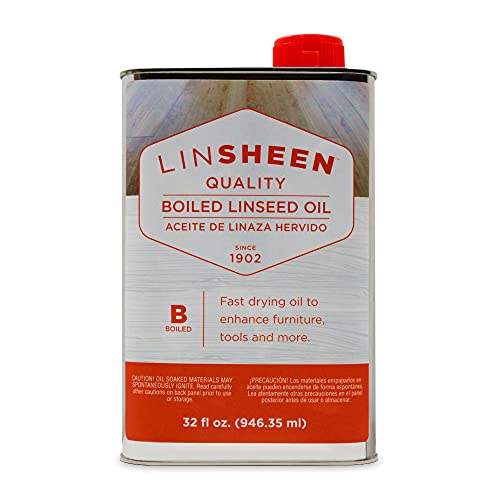
LinSheen Boiled Linseed Oil is designed to penetrate the wood grain, delivering a clear wood finish that highlights natural color and texture. The product absorbs into the grain to condition and restore wood, helping extend its life in outdoor and indoor settings. The boiled formulation includes drying solvents to speed up cure times, making it practical for projects with time constraints. When used on exterior doors, this oil can mellow the surface while preserving the wood’s character and preventing premature drying or cracking. For best results, apply thin coats and wipe off excess to avoid a sticky surface.
HOPE’S 100% Pure Tung Oil

HOPE’S Tung Oil is a traditional, natural finish praised by woodworkers for its penetrating, film-forming properties. It absorbs into wood fibers to cure as a flexible, non-oily solid that becomes part of the wood itself. Tung oil provides moisture resistance and durability, making it suitable for exterior doors where exposure to sunlight and rain is common. It offers long-lasting protection compared to mineral oil or wax-based products, and its easy wipe-on application supports quick maintenance of entryways with a polished, hand-rubbed appearance.
Furniture Clinic Teak Oil
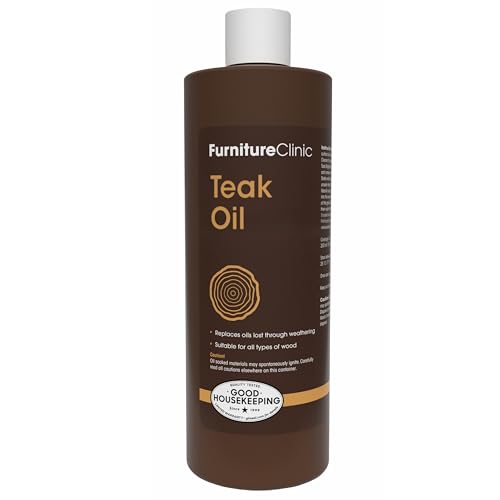
Furniture Clinic Teak Oil is formulated to restore the natural beauty of teak and other hardwoods, delivering a golden-brown finish that emphasizes the wood’s grain. It provides protective benefits against UV rays and weathering, helping prevent drying, warping, and splitting. The product can be used on indoor and outdoor furniture, making it a versatile option for exterior doors that feature teak or related hardwoods. Regular application helps maintain a water-resistant seal and keeps the wood looking refreshed year after year.
Tried & True Original Wood Finish

Tried & True Original Wood Finish combines linseed oil with beeswax to deliver a warm, durable finish that enhances natural wood tone. It cures efficiently without toxic drying aids, enabling indoor use as well as exterior projects where humidity and temperature vary. The absence of solvents supports a lower odor profile and easier cleanup. The blend offers solid protection against water and daily wear, while remaining repairable—a practical feature for exterior doors that may require touch-ups without heavy refinishing.
Guardsman Revitalizing Lemon Oil
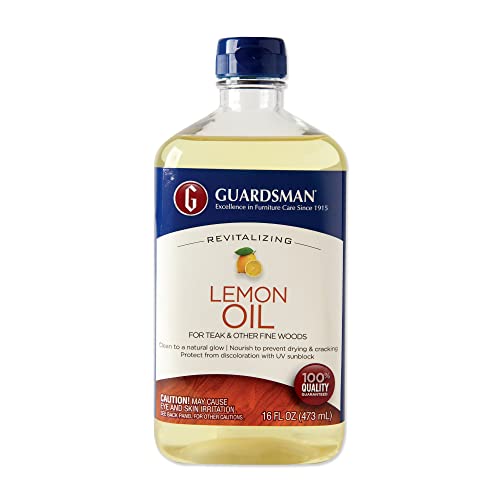
Guardsman Revitalizing Lemon Oil cleans, protects, and restores wood surfaces while emitting a lemon scent. It penetrates to replenish lost oils, helping prevent drying, warping, and fading. This product is suitable for outdoor and indoor wood furniture, offering a balanced approach to sealing and preserving while maintaining a pleasant scent. The lemon oil formulation can be a practical choice for homeowners seeking a refreshed look and a protective layer against environmental exposure on exterior doors.
Application considerations and comparisons
Exterior wood doors must withstand sunlight, humidity, temperature swings, and routine contact. When selecting an oil, consider: penetration depth, film formation, UV protection, drying time, durability, scent, ease of reapplication, and cleanup. Boiled linseed oil (LinSheen) dries faster due to solvents but may require more frequent maintenance. Tung oil (HOPE’S) delivers a flexible, penetrating finish that resists moisture well, though it can be slower to cure in cooler climates. Teak oil (Furniture Clinic) emphasizes wood grain while offering UV resistance, ideal for teak or similar woods. The Tried & True blend (linseed oil and beeswax) provides a repair-friendly finish with durable protection and a warm appearance. Guard-specific lemon oil (Guardsman) adds restoration benefits and a pleasing scent, which may be a factor for entryway spaces where occupants notice finishes daily.
Maintenance and reapplication mindset
Most exterior oil finishes benefit from periodic reapplication to maintain color, gloss, and moisture protection. Before reapplying, clean the surface to remove grime and old residues, lightly scuff the finish, and allow adequate curing time. For doors, check for signs of cracking, peeling, or uneven absorption, and consider sanding or spot-reconditioning if needed. Always follow product-specific directions regarding rag disposal, ventilation, and curing times to avoid odor buildup and ensure a safe, durable finish.
Safety and compatibility considerations
Natural oils are generally low in toxicity, but some products may contain solvents or require ventilation during application. Wood type, existing finishes, and the door’s exposure level influence compatibility. For example, raw linseed oil dries slowly and may be less practical for exterior doors without additives; boiled linseed oils offer faster drying but require mindful cleanup. Tung oils and beeswax blends can offer durable, food-safe leaves on interior applications but still function well for exterior use when properly cured. Always test a small area first to ensure color and absorption meet expectations before proceeding across the full door surface.
Buying guide: key purchase considerations
- Wood type compatibility: Confirm the finish is suitable for exterior doors and your door’s wood species (teak, oak, pine, etc.).
- Penetration vs. film: Consider whether you prefer deep penetration (tung oil, linseed oil) or a more surface-protective film (lemon oil blends).
- UV protection: Look for products that advertise UV resistance or added UV inhibitors to slow fading and warping.
- Durability and reapplication: Assess how long the finish lasts under outdoor conditions and how easy it is to touch up.
- Ease of application: Wipe-on vs. brush-on formats, curing times, and clean-up considerations.
- Safety and odor: Some oils have strong odors; consider indoor-use implications if doors swing inside or near living spaces.
- Maintenance plan: Establish a schedule for inspection, cleaning, and reapplication to keep exterior doors looking and performing well.
Choosing the right exterior oil for a wooden door balances appearance, protection, and maintenance. The products above provide a spectrum of finishes—from penetrating oils that emphasize natural grain to beeswax blends that offer durable protection and repairability. Tailor your choice to your wood type, climate, and how frequently you want to refresh the finish on your entryway.