Best Paint Removers for Floors: Top Picks for Quick, Safe Stripping
Floor refinishing and maintenance often requires removing old paint, varnish, or coatings. The right paint remover saves time, protects underlying surfaces, and minimizes mess. This guide highlights five effective options that work well on wood, concrete, metal, and masonry floors. Each product offers distinct strengths, from non-caustic formulas to long-wet dwell times for multi-layer stripping. Read on to compare performance, surface compatibility, and application tips to choose the best floor paint remover for your project.
| Product | Brand | Key Benefit |
|---|---|---|
| Citristrip® Stripping Gel, 40 oz | Citristrip | Stays active up to 24 hours; handles multiple layers; versatile on wood, metal, masonry |
| All Purpose Paint Remover Spray 22 oz | Max Strip | No drip gel; multi-surface, caustic-free and easy to apply |
| Smart ‘n Easy Paint & Varnish Remover Gel, 32 oz | Safe ‘n Easy | No caustics; citrus scent; good for DIY projects on wood, brick, and more |
| Max Strip Latex Paint Remover 22 oz | Max Strip | Low-VOC, fast-acting gel; effective on latex and acrylic |
| Smart Strip Advanced Paint Remover, 1 Quart | Dumond | Water-based, non-caustic; removes multiple layers; indoor/outdoor use |
Citristrip Stripping Gel For Floors
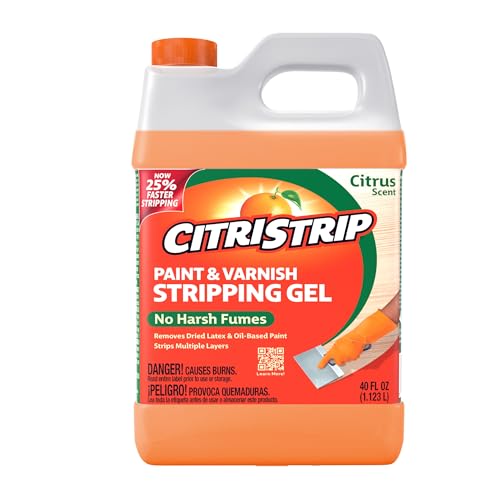
Citristrip Stripping Gel is designed for multi-layer stripping with a long active window. Its patented formula stays wet for up to 24 hours, which helps maintain effectiveness in removing dried latex and oil-based paints, varnishes, lacquers, polyurethane, and shellac. Floors, furniture, and other hard surfaces benefit from this gel’s staying power, reducing the need to reapply frequently. When used correctly, Citristrip can strip multiple coats in a single step, making it a strong option for old floor finishes on wood, concrete, or metal surfaces. Begin with a small test area to confirm coating compatibility and plan for thorough scraping and cleanup after dwell time.
Application tips include applying an even layer with a plastic scraper or spreader, keeping the surface damp, and covering with plastic wrap or foil to prevent rapid drying. Safety considerations involve using gloves and ensuring good ventilation. If the gel dries, rewetting may be necessary to continue the stripping process. This product is widely recognized for user-friendly handling compared with harsher chemical alternatives, making it suitable for DIY floor projects where surface integrity matters.
Max Strip All Purpose Paint Remover Spray 22 oz
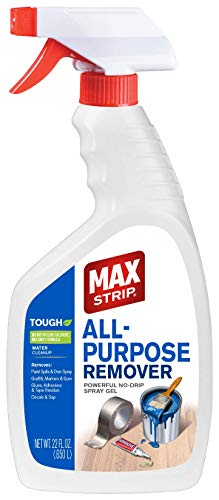
This all-purpose remover uses a powerful no-drip spray gel formula designed to tackle spills, overspray, graffiti, and dried paints. It is free from caustic chemicals like methylene chloride and NMP, which makes it easier to handle in interior settings. The spray is suitable for a variety of surfaces—metal, brick, concrete, tile, wood, and masonry—matching many flooring scenarios such as painted concrete or timber floors in DIY renovations. It’s important to apply in a well-ventilated area, test compatibility on a small area, and remove with a scraper after dwell time to minimize effort. The non-caustic nature supports safer handling around kids and pets in home projects.
When using on floors, work in manageable sections to avoid pooling and ensure even removal. For tougher layers, repeat the application after the initial removal to finish the job. While convenient for quick spot work, plan for thorough cleanup to prevent any residues that could affect sealers or finishes later in the project.
Smart ‘n Easy Paint & Varnish Remover Gel, 32 oz

Safe ‘n Easy produces a water-based remover that emphasizes safety and user comfort. The gel is designed to strip multiple layers of acrylic, latex, oil, and water-based paints, along with varnishes and stains. A characteristic feature is the no-caustic formulation with a pleasant citrus scent, reducing fumes and skin irritation risk during floor projects. The product is positioned as DIY-friendly, making it a good choice for homeowners tackling wood furniture refinishing or floor refinishing tasks on planks or subfloors where mild chemistry is preferred.
Before full application, test a hidden area to confirm surface compatibility. For best results, apply evenly, cover the surface to maintain moisture, and monitor dwell time. This approach minimizes the risk of damage to underlying wood or sealants and helps preserve floor integrity while removing coatings. Although designed for various surfaces, success depends on layer thickness and coating type, so plan multiple passes if necessary.
Max Strip Latex Paint Remover 22 oz

Designed for latex and acrylic removal, this Max Strip remover comes in a convenient spray gel format. It softens paint with a low-VOC, biodegradable formula that begins loosening quickly, which can help with floor coatings that are fresh or dried. The product is suitable for interior and exterior surfaces, including wood, metal, concrete, and other common flooring substrates. For floors, it’s advisable to work in small sections and use a scraper or putty knife to lift softened paint, followed by thorough cleaning to remove any residue before refinishing or sealing the surface.
As with any solvent-based product, ventilation is important, and surface tests are critical to avoid damage to coatings or substrates that could affect the finish of the floor after repainting or sealing. The low odor profile compared to harsher alternatives can be an advantage for indoor spaces.
Smart Strip Advanced Paint Remover, 1 Quart

The Dumond Smart Strip Advanced formula is a water-based, non-caustic remover designed to strip multiple layers of acrylic, latex, oil-based, and water-based coatings. It is suitable for both indoor and outdoor use and claims to strip up to 15 layers in a single application, depending on surface and coating thickness. The product requires the surface to remain wet during the dwell time, often with coverage using a Laminated Paper to minimize premature drying. This characteristic helps maintain consistent removal on floors with intricate wood grain or decorative finishes while reducing the risk of heat buildup or fumes.
Practical application tips include testing first, applying a uniform layer, and allowing adequate dwell time. After the coating softens, use a scraper to lift the material and rinse or wipe away residues. Because it is water-based and non-caustic, it presents a safer option for DIY floor refinishing projects, particularly for homeowners seeking a more comfortable and manageable stripping process. Check for any surface-specific limitations and follow disposal guidelines for spent coatings.
Buying Guide: Key Considerations For Choosing A Floor Paint Remover
- Surface compatibility: Wood, concrete, metal, and masonry floors vary in porosity and finish. Choose a remover that explicitly lists compatibility with your floor material and any existing sealants or stains.
- Coating type and thickness: Dried latex, oil-based, polyurethane, and shellac coatings respond differently. For multiple layers, look for products that advertise dwell time or multi-layer effectiveness.
- Safety and environmental impact: Non-caustic formulas, low VOCs, and water-based options reduce odor and skin irritation. Consider products with citrus scents for easier handling and ventilation requirements.
- Application method: Gel or spray formats affect coverage and drip control. Gels are often better for vertical surfaces and complicated profiles, while sprays can be faster for flat, open floors.
- Time and labor: Dwell time dictates overall project duration. Some products require several passes, while others may remove most coatings in a single application with proper prep.
- Cleanup and disposal: Check whether residues require rinsing or scraping, and ensure compatibility with subsequent finishing steps, such as sanding, sealing, or staining.
- Surface protection: After stripping, plan for surface preparation—sanding, micro-texture cleaning, or neutralizing agents to avoid adhesion problems with new finishes.
- Environmental and safety notes: Always work in a well-ventilated area, wear protective gloves and eyewear, and follow label directions for safe use and disposal.
- Cost and availability: Compare price-per-volume and consider whether a multi-pack or gallon size provides better value for larger floor projects.
Notes On Using Floor Paint Removers Safely
Always perform a spot test on a hidden area to ensure the remover does not damage the floor material or underlying finish. Work in small sections to maintain control of application and dwell time. After removing coatings, thoroughly clean the surface to remove any chemical residues before applying primers, sealers, or new finishes. Store products as directed and keep out of reach of children and pets.