Best Paintable Caulk for Trim: Top Options for a Seamless Finish
Finding the right paintable caulk for trim is essential for a clean, professional look on baseboards, window casings, and door frames. This guide highlights five reliable options that combine paintability, flexibility, and moisture resistance to help you achieve crack-free seals on interior and exterior projects. Each product is evaluated for ease of use, adhesion, and durability to suit DIYers and professionals alike.
Summary of chosen products:
| Product | Brand | Key Benefit | Sealant Type |
|---|---|---|---|
| Selsil Siliconized Super Acrylic Latex Sealant | Selsil | Enhanced strength, flexible with weather resilience | Acrylic Latex with Silicone Emulsion |
| GE Supreme Paintable Silicone Caulk for Window & Door | GE | 100% waterproof, superior adhesion, freeze/sun resistant | Silicone |
| Kraken Bond Acrylic Latex Caulk White | Kraken Bond | Weatherproof, odor-free, high motion tolerance | Acrylic Latex |
| Akfix AS606 White Acrylic Latex Caulk | Akfix | Paintable, interior sealing, flexible after cure | Siliconized Acrylic Latex |
| Red Devil Window & Door Silicone Acrylic Caulk | Red Devil | Easy application, strong adhesion, interior/exterior use | Silicone-Acrylic Hybrid |
Selsil Siliconized Super Acrylic Latex Sealant

The Selsil solution combines acrylic latex with a silicone emulsion to deliver enhanced strength and flexibility. It tolerates movement and temperature changes without cracking, making it suitable for trim joints around baseboards and window frames. Once cured, it accepts paint, enabling a seamless color match with surrounding trim. For projects that transition between indoor warmth and outdoor exposure, this sealant offers durable performance with long-lasting resistance to moisture and weather. Test paint compatibility on a small area before full application to ensure color fidelity.
GE Supreme Paintable Silicone Caulk for Window & Door

GE’s 100% waterproof silicone formula provides a robust seal in weather-exposed areas while maintaining permanent flexibility. It offers stronger adhesion than standard silicone products and is shrink- and crack-proof under temperature fluctuations. This makes it a strong choice for trim caulking around windows and doors where cycles of expansion and contraction occur. As with any silicone, proper surface preparation improves adhesion and cure quality.
Kraken Bond Acrylic Latex Caulk White
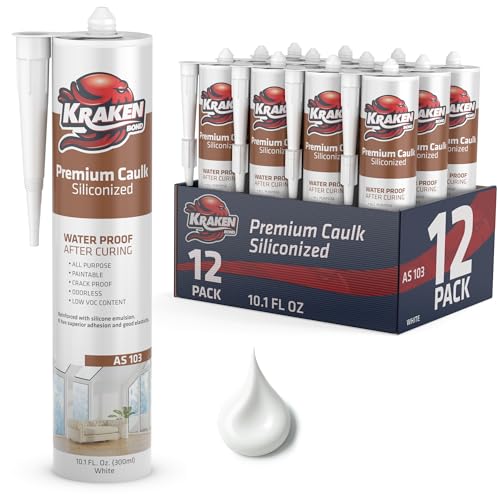
Kraken Bond’s acrylic latex caulk is designed for both interior and exterior trim work. It delivers weatherproof protection with an odor-free formula and accommodates movement with up to 15% motion tolerance. The white finish is paintable to achieve a seamless match with baseboards and crown molding. This option suits projects requiring quick application and a clean, professional finish on trim seams and joints.
Akfix AS606 White Acrylic Latex Caulk
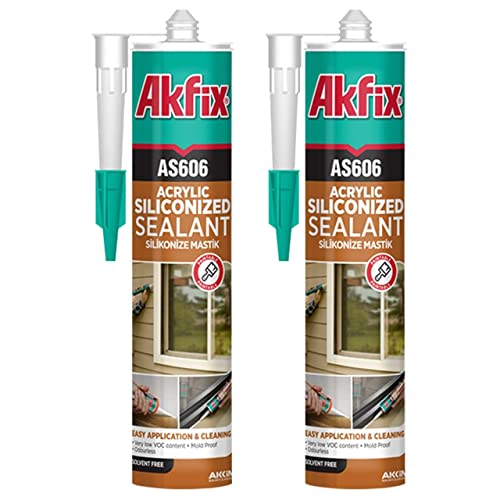
Akfix AS606 is a multi-surface, paintable white latex caulk designed for interior sealing around windows, doors, and walls. It cures to a waterproof and flexible seal that tolerates up to 15% movement, making it ideal for trim where seasonal shifts occur. The included 2-pack improves efficiency for larger trim projects, and its odorless profile is a benefit for indoor spaces during and after application.
Red Devil Window & Door Silicone Acrylic Caulk

Red Devil’s silicone-acrylic hybrid is designed for both interior and exterior use, offering strong adhesion and easy tooling for clean lines around windows and doors. It is 100% paintable after curing, enabling a uniform appearance with surrounding trim. The formula aims for reliable performance in varied climate conditions, reducing the likelihood of cracking at joints in seasonal environments.
Buying Guide: Key Purchase Considerations
Selecting the right paintable caulk for trim involves balancing adhesion, flexibility, paint compatibility, and resilience to moisture. Consider the following factors to choose the best option for your project:
- Surface compatibility: Most trim projects involve wood, drywall, or PVC. Look for caulks marketed as paintable on these surfaces and verify bonding to wood, metal, and plastic as needed.
- Movement tolerance: Trim joints experience movement from humidity and temperature changes. Choose products labeled for high flexibility or movement tolerance to prevent cracks.
- Water exposure: For exterior trim or bathrooms, prioritize waterproof or weatherproof formulas, especially silicone or hybrid caulks with strong adhesion and long-term moisture resistance.
- Paint compatibility: Ensure the caulk accepts the type of paint you plan to use (latex/acal). Test a small area when possible to confirm color and finish match after curing.
- Cure time and tooling: Some caulks cure quickly and are easy to tool with minimal shrinkage. Consider whether the project requires quick handling or precise smoothing for clean edge lines.
- Odor and indoor safety: For indoor spaces, odorless or low-odor formulas improve comfort during and after application, particularly in occupied rooms.
- Application method: Some products come in cartridges for standard caulk guns, while others are paintable and designed for faster edges with minimal cleanup.
Comparison highlights across these options show a spectrum from silicone-heavy to acrylic-latex blends. Silicone-based caulks tend to excel in waterproofing and long-term flexibility, especially around windows and doors exposed to the elements. Acrylic-latex blends offer superior paintability and ease of use, making them a popular choice for interior trim where a flawless painted finish is priorities. For mixed-use areas, silicone-acrylic hybrids attempt to balance adhesion, cure behavior, and paint compatibility. Always follow surface preparation steps—clean, dry surfaces, and prime where recommended—to maximize longevity and appearance.
Practical tips for best results:
- Apply in moderate temperatures and avoid extreme humidity during cure to minimize surface skinning or tackiness.
- Use painter’s tape to create crisp lines, then remove while still slightly wet for clean edges.
- Surface prep should include removing old caulk, cleaning dust and oils, and ensuring the joint is dry before applying new sealant.