Best Pipe Thread Sealant for Water: Top Picks for Leak-Free Plumbing
Choosing the right pipe thread sealant for water applications helps prevent leaks, reduce maintenance, and protect against corrosion. The products below are chosen for reliability, ease of use, and compatibility with common plumbing materials. This guide summarizes five top options and provides practical insights to help you select the right sealant for your project.
| Product | Brand | Type | Key Benefit |
|---|---|---|---|
| Rectorseal 25790 1-3/4-Ounce Tube No.5 Pipe Thread Sealant | Rectorseal | Paste | Soft set, lead-free, smooth application |
| Hercules 15620 Real-Tuff Heavy Duty PTFE Pipe Thread Sealant | Hercules | PTFE paste | 8 oz., multi-purpose, fills gaps |
| Rectorseal 31631 1/4 Pint Brush Top Tru-Blu Pipe Thread Sealant | Rectorseal | Brush-on | Blue Tru-Blu formula |
| Rectorseal 23710 1-3/4-Ounce Tube T Plus Pipe Thread Sealant | Rectorseal | Paste | White, dependable performance |
| Venom Pro-Grade Pipe Thread Sealant | Gasoila | High-viscosity paste | Soft-set, low odor, extreme temperature resistance |
Note: This article focuses on sealants suitable for water systems, including metals and plastics. Always follow manufacturer instructions and ensure compatibility with your pipes and fittings.
Rectorseal 25790 No.5 Pipe Thread Sealant

Rectorseal 25790 No.5 is a lead-free, soft-setting pipe thread sealant designed for ease of application. This product provides a smooth consistency that minimizes mess and helps achieve a dependable seal on threaded joints. Its lead-free composition makes it a safer option for household water systems and DIY projects. It is suitable for use on a variety of metals common in plumbing and is formulated to resist typical water pressures while remaining easy to disassemble if needed.
Hercules 15620 Real-Tuff Heavy Duty PTFE Sealant
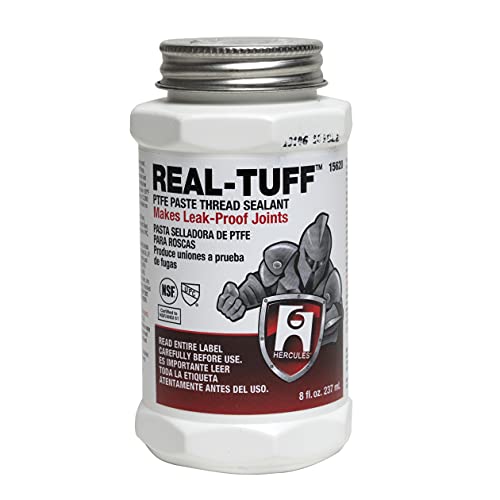
Hercules 15620 Real-Tuff is a heavy-duty PTFE-based pipe thread sealant, packaged in an 8 oz. tube. It’s designed to seal metal and plastic threaded connections and effectively fills minor gaps and imperfections. The formulation aims for broad compatibility with metals (including copper and steel) as well as PVC, CPVC, and ABS plastics. Professionals and DIYers may appreciate its multi-purpose capability for water, gas, and other piping systems, with a viscosity that lends itself to smoother application and reliable leaks prevention.
Rectorseal 31631 Tru-Blu Pipe Thread Sealant

Rectorseal 31631 Tru-Blu is a brush-top sealant designed for quick, accurate application. The blue color helps users monitor coverage and ensures an even coat on threaded joints. Manufactured in the United States, this product is marketed for dependable adhesion and durability across diverse piping materials. Suitable for water systems, it offers a user-friendly option for professionals who prefer brush-on sealants for tight spaces and overhead work.
Rectorseal 23710 T Plus Pipe Thread Sealant
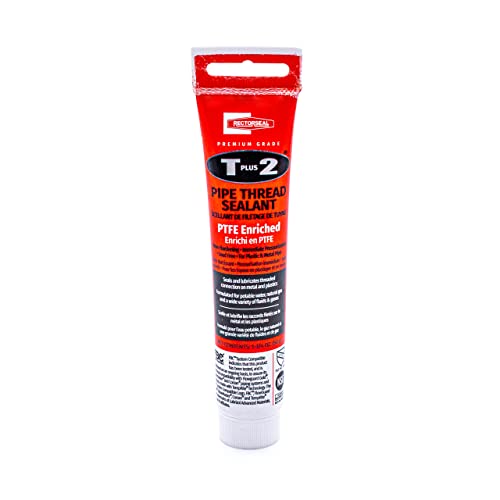
Rectorseal 23710 T Plus is another white pipe thread sealant option from Rectorseal. The product emphasizes ease of use and strong performance, with a US-based manufacturing background noted in its listing. It is designed to seal threaded connections on water systems while offering reliable resistance to leakage and a durable bond over time. It is suitable for professional installations and household repairs alike, especially where lead-free formulations are preferred.
Venom Pro-Grade Pipe Thread Sealant

Venom Pro-Grade by Gasoila offers a high-viscosity, soft-setting formula designed for leak-free connections on various materials. It is noted for low odor and easy workability, making it suitable for tight tolerances and damaged threads. The product claims robust performance under extreme temperatures and pressures, including water and gas applications. It is structured to allow easy disassembly in the future and provide reliable seals across a range of pipe types and diameters.
Buying Guide: Key Considerations For Pipe Thread Sealants
Selecting a pipe thread sealant for water systems requires balancing chemistry, environment, and maintenance needs. This guide outlines critical factors and compares common options to help buyers make an informed choice without relying on price alone.
- Material compatibility: Verify whether the sealant works with copper, steel, brass, PVC, CPVC, ABS, or other plastics in your system. Some formulas are universal, while others target specific materials.
- Set time and cure: Consider soft-set versus hard-set formulations. Soft-set sealants allow easier disassembly, which is advantageous for plumbing that may require future maintenance.
- Viscosity and application: Thicker pastes seal irregular threads better but can be harder to apply in tight spaces. Brush-top or easy-squeeze tubes improve productivity in DIY projects.
- Chemical composition: PTFE-based products reduce friction and improve thread seal, while non-PTFE sealants rely on resins or polymers. Lead-free options are important for residential water systems.
- Temperature and pressure range: For water lines, ensure the sealant withstands expected temperatures and pressure conditions. Extreme-temperature products are often preferred for outdoor or hot-water systems.
- Disassembly considerations: If future maintenance is likely, choose a sealant designed for easy removal without damaging threads or fittings.
- Regulatory and safety notes: Look for products labeled for potable water where applicable and follow local codes and safety guidelines for chemical use.
- Ease of cleanup: Some sealants cure quickly and require solvents or mechanical removal, while others wipe away cleanly if applied correctly.
- Brand and availability: Reputable brands with readily available refills and support can reduce downtime on critical plumbing work.
Practical Tips For Best Results
- Clean all threads and fittings before applying sealant to ensure proper adhesion.
- Apply sealant evenly around threads; avoid applying excessive amounts that can squeeze into the flow path.
- Follow cure times indicated by the manufacturer before testing for leaks.
- When disassembling, consider using lubricants compatible with the sealant to minimize thread damage.