Best Pollen Screens for Windows: Clean Air, Easy Install
Homeowners and renters increasingly seek window screens that block pollen, dust, and tiny irritants without sacrificing light and airflow. The following selection highlights five high-density screens designed to reduce pollen intrusion while remaining easy to cut and install. Each option features durable materials, enhanced mesh, and practical installation details, helping you choose the best fit for doors, windows, or screened porches.
| Product | Brand | Size / Fit | Key Feature |
|---|---|---|---|
| High Density Dustproof and Pollen Proof Net Screen Mesh | JOOFAN | 109” x 37” (276 x 95 cm) | 20 x 20 mesh with mid-grid reinforcement; blocks pollen and dust without reducing light |
| HOMWMPA Pollen Window Screen, High Density | HOMWMPA | 39” x 99” | 100 holes per inch; thin center thread reduces intrusion of small creatures |
| High Density Dustproof and Pollen Proof Net Screen Mesh | JOOFAN | 116” x 61” (295 x 155 cm) | Dense 20 x 20 mesh with reinforced lines for pollen/dust blocking |
| RODENET High Density Screen Pollen Proof Net | RODENET | 37” x 99” | Two additional lines per grid for enhanced pollen protection; durable and easy to trim |
| FCSOTSPS High Density Window Door Screen Roll | FCSOTSPS | 37.4” x 16.4 ft roll | 40 Mesh, no-wrinkle roll; flexible, strong polyester with strong filtration |
Introduction to installation and material design is important, but the right screen also depends on your window or door configuration. The five selections below are chosen for consumer-friendly sizing, pollen and dust filtration efficiency, and practical cut-and-fit features. Each option aims to maintain visibility and airflow while improving indoor air quality by reducing pollen and related irritants.
JOOFAN High Density Pollen Screen, 109” x 37”

The JOOFAN screen uses a high-density 20 x 20 mesh with additional lines in the middle of each grid to block pollen and dust effectively. The design preserves natural light and airflow, making it suitable for large window or door screens. The mesh is described as tear-resistant and easy to cut, providing a flexible replacement option for various frame sizes. The mid-grid reinforcement helps maintain tension over time, reducing sag and preventing gaps that pollen could traverse. This makes it a practical choice for households requiring long-lasting pollen filtration with minimal installation complexity.
HOMWMPA Pollen Window Screen, High Density

The HOMWMPA option emphasizes high-density filtration with 100 holes per inch, plus a central mesh thread designed to deter smaller pests and pollen particles from entering the home. The screen is supplied as a roll, which simplifies storage and transport and allows immediate use after unrolling without lingering creases. The stated size, 39” x 99”, suits many standard window and door openings, and users can cut the material to shape as needed. The synthetic fabric is usually durable, with good resistance to tearing and general wear, making it a common DIY replacement choice.
JOOFAN High Density Pollen Screen (116” x 61”)
This large-screen variant follows the same high-density 20 x 20 mesh pattern with reinforced central lines, offering extended coverage for bigger windows and patio doors. It’s designed to be cut to fit various frames, enabling convenient customization. The description emphasizes that the mesh remains breathable while blocking pollen and dust, which is essential for indoor air quality in regions with high pollen counts. Its robust construction supports repeated installation and removal, which is helpful for seasonal screen changes.
RODENET High Density Screen, 37” x 99”

RODENET offers a high-density screen with added lines per cell to boost pollen protection while keeping ventilation and light transmission intact. The product is noted for durability, including tear and abrasion resistance, and is easy to trim for installation and replacement. The dual-line reinforcement supports long-term use in high-traffic doors and windows, which helps maintain a tight seal against pollen particles. This option suits homeowners who want a sturdy solution that remains flexible enough to adapt to different frame shapes.
FCSOTSPS High Density Window Screen Roll
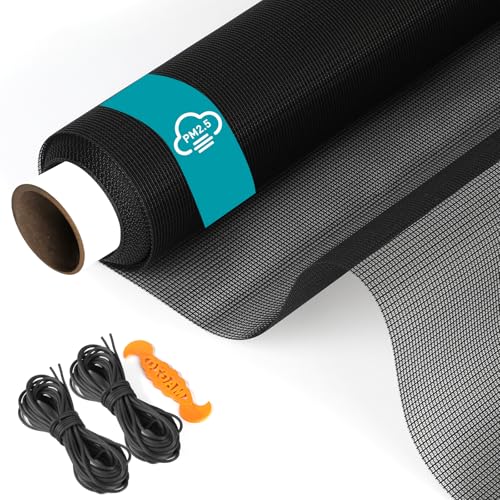
The FCSOTSPS option is a full wind-to-roll replacement kit. It uses a polyester mesh with 40 x 40 features to provide strong filtration against dust and pollen while allowing airflow. The kit includes seemingly practical accessories like spline and rollers, which can improve DIY installation efficiency. The no-wrinkle roll is a key selling point, reducing the typical hassle of aligning and smoothing out a long sheet during installation. This option is well-suited for homeowners who prefer a complete repair kit with comprehensive installation tools.
COBWEB Premium Window Screen Replacement Kit, 39″ x 51″

COBWEB offers a premium, durable window screen with a claimed 58.7% reduction in fine dust and pollen, thanks to static electricity properties of its material. The kit includes a water-repellent coating and notes durability approximate to three times that of standard screens, with a claimed lifespan of over 15 years. It is positioned as pet-friendly and capable of withstanding significant loads. The kit design and included tools emphasize a DIY-friendly approach for precise sizing and installation across multiple frame types.
RODENET High Density Screen, 61” x 99”

RODENET’s 61” x 99” high-density screen expands the same 2-line reinforcement approach to larger dimensions. The product emphasizes easy trimming for a precise installation, with a focus on maintaining airflow and natural light while enhancing pollen protection. The extra length increases adaptability for various door or window configurations, making it a flexible option for renters or homeowners with irregular frame sizes, or for those who want a single solution for multiple openings.
Buying Guide: Key Purchase Considerations
- Filtration density: Higher mesh counts (for example, 40+ or 100 holes per inch) generally block smaller pollen particles more effectively but may affect visibility slightly. Consider your pollen type and sensitivity when choosing mesh density.
- Durability and materials: Polyester and advanced polymer blends tend to offer tear resistance and longer lifespans compared with fiberglass. If you have pets or frequent use, durability becomes critical for long-term performance.
- Installation approach: Some screens come in rolls for DIY cutting, while others are sold as DIY kits with necessary tools. Rolls are flexible for irregular openings; kits ease alignment and tensioning with included spline or rollers.
- Reuse and replacement: Look for screens designed for easy trimming and multiple uses. A mesh with reinforced lines or mid-grid support helps reduce sag and maintain a good seal over time.
- Allergen-specific features: Certain products claim enhanced pollen blocking via dual-line reinforcement or static properties. If allergens are a primary concern, these attributes can be decisive.
- Sizing and fit: Measure openings accurately and choose screens that allow trimming to fit. Larger sizes may require more careful installation to prevent gaps where pollen can slip through.
- Maintenance: Most screens are low maintenance but check cleaning guidance. Some meshes resist dirt and pollen buildup better than others, contributing to longer clean air intervals between replacements.
- Replacement cost and availability: Compare replacement kit options and how easy it is to source spare parts or extra mesh for future needs. A widely compatible kit reduces future maintenance effort.
- Ventilation and visibility: Some users prefer screens that minimize obstruction to scenery and outdoor views. Opt for low-porosity screens that still support airflow for a balanced indoor environment.
- DIY skill level: Your comfort with cutting, trimming, and mounting will influence which product best fits your needs. Rolled meshes may suit those who want flexible sizing, while DIY kits appeal to precision-focused installations.
Choosing the right pollen screen involves balancing filtration efficiency, durability, and installation practicality. The five options above provide varied approaches—from large, roll-ready screens ideal for substantial openings to premium DIY kits designed for precise, long-lasting installations. Consider the specific window configurations and allergen concerns in your home to determine which screen best aligns with your needs.