Best Polyurethane Caulk for Wood: Top Picks for Sealing and Bonding
If you’re sealing joints or bonding wood surfaces, polyurethane-based products provide strong adhesion, flexible seals, and durable resistance to moisture. This guide highlights five top options that are well-suited for wood projects, explaining who each product is best for, and when to choose or avoid them. Whether you’re renovating trim, sealing exterior joints, or building decks, these selections help you pick the right polyurethane caulk or sealant for wood.
| Product | Best For | Key Benefit |
|---|---|---|
| Loctite PL Premium | Subfloors, wood framing | Three times stronger than ordinary adhesives |
| Titebond Pro-Grade Plus | Interior/exterior joints | Fast-drying, paintable, strong adhesion |
| DCP Donseal PU440 | Concrete joints and foundations | Wide temperature resilience, versatile surface compatibility |
| SIKA Sikaflex Construction Sealant | Joints in masonry and wood framing | Weatherproof, durable seal with strong adhesion |
| SIKA Sikaflex-221 | Wood, metal, plastics | Highly elastic, sandable and paintable |
Loctite PL Premium Polyurethane Construction Adhesive
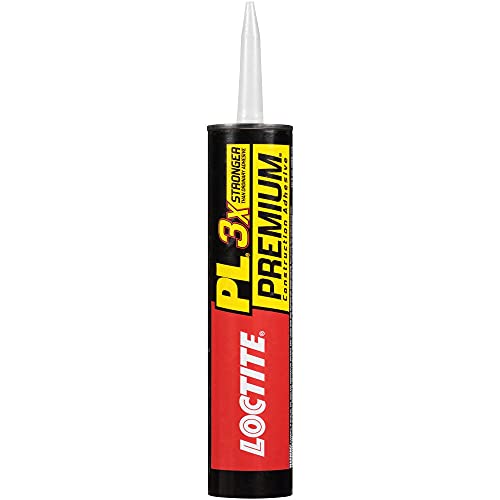
Best For: Wood framing, subfloors, and projects requiring a strong bond across substrates. This one-component polyurethane adhesive bonds to wood, concrete, stone, metal, and many other surfaces. It’s particularly suitable for subfloor installations where a robust, permanent hold matters. The formula claims 3X stronger performance than ordinary construction adhesives, helping minimize joint failure in high-stress wood applications.
Why chosen: Its polyurethane chemistry delivers superior strength and versatility for wood-to-wood or wood-to-masonry joints. The wide substrate compatibility makes it a reliable option for mixed-material projects often encountered in remodeling or new construction.
Limitations: It may require longer cure times depending on humidity and substrate porosity. It’s not a traditional caulk for gap filling; use it where bonding is the priority over a flexible seal in small gaps.
Titebond Pro-Grade Plus Siliconized Acrylic Caulk

Best For: Interior and exterior joints where paintability and color matching matter. This brown siliconized acrylic caulk adheres well to wood, metal, glass, tile, drywall, and more, offering a practical option for quick repairs where you still want a finished look.
Why chosen: It dries quickly and becomes paintable in about two hours, accelerating project timelines. The acrylic base reduces odor and cleanup concerns compared to some solvent-based products.
Caution: Not a polyurethane-only solution; it’s a siliconeized acrylic, which may offer different elasticity and aging behavior than true polyurethane products. Best used where heavy moisture exposure is not the primary concern or where paintability is essential.
DCP Donseal PU440 Polyurethane Concrete Sealant

Best For: Concrete joints, sidewalks, foundations, and similar structural applications where moisture resistance and long-term flexibility are crucial. Its broad temperature tolerance makes it suitable for exterior use and areas with seasonal temperature changes.
Why chosen: The product’s moisture-curing system produces an elastic material that remains flexible under movement, reducing crack transfer in concrete and wood-adjacent joints. It bonds to wood and other substrates, expanding its utility beyond pure concrete work.
Limitations: It’s primarily designed for concrete and masonry contexts; plan for wood applications where movement is expected and ensure surface preparation aligns with substrate suggestions.
SIKA Sikaflex Construction Sealant

Best For: Joints in brickwork, masonry, wood framing, and metal structures where weatherproofing is needed. This polyurethane sealant provides strong adhesion with elasticity to accommodate movement and temperature shifts.
Why chosen: It balances robust bonding with resilience against moisture and environmental exposure, making it a solid all-around option for exterior woodwork and mixed-material assemblies.
Limitation: It’s a general-purpose sealant, so within highly specialized wood bonding (where ultra-high strength is essential), pairing with a dedicated wood adhesive may be advisable.
SIKA Sikaflex-221 Multi-Purpose Sealant/Adhesive

Best For: Wood, metal, and plastic joints where a one-component polyurethane with high elasticity is needed. It’s a versatile option for repairs, framing, and light construction tasks requiring both sealing and bonding.
Why chosen: Sikaflex-221 is noted for its elasticity and resistance to aging, which helps maintain seals over time in varying climates. It’s sandable and paintable, aiding a clean finish on wood projects.
Caution: Though highly versatile, its performance can depend on surface preparation. Ensure surfaces are clean and dry for best adhesion before application.
SEAL-ONCE NANO+POLY Penetrating Wood Sealer

Best For: Outdoor wood surfaces such as decks, fences, log homes, and siding where a penetrating, low-VOC, water-based polyurethane finish is desired. It’s ideal when you want long-term water resistance with minimal odor.
Why chosen: This product penetrates below the surface to form a protective shield around the wood, not just a surface layer. The low-VOC formula supports safer application in residential settings.
Limitation: Being a penetrating sealer, it prioritizes protection and appearance over heavy-duty bonding or gap filling in joints.
Varathane Triple Thick Polyurethane Clear Finish

Best For: Interior wood finishes on furniture, doors, and trim where a durable, scratch- and stain-resistant coating is desired. This self-leveling, one-coat formula is convenient for smooth, glossy protection inside the home.
Why chosen: It provides a one-coat solution with strong wear resistance, ideal for surfaces that endure frequent use. It dries quickly and offers a visible, clear finish that enhances wood grain.
Limitation: Being a finish rather than a sealant or adhesive, it’s not a joint-sealing product. It suits protective coating more than waterproofing joints or providing adhesion between substrates.
Buying Guide: Key Considerations For Polyurethane Caulk On Wood
- Purpose: Decide whether you need a bonding adhesive, a joint sealant, or a surface sealer. Some products prioritize adhesion (gluing power), others prioritize elasticity and moisture resistance (caulks and sealants), and others emphasize surface protection (finishes).
- Substrates: Check compatibility with wood and any adjacent materials (concrete, metal, drywall, masonry). Substrate variety affects adhesion strength and long-term performance.
- Flexibility vs. Rigidity: Wood moves with humidity and temperature. Choose elastic polyurethane formulations for joints to prevent cracking.
- Moisture and weather exposure: Exterior projects need weatherproof seals and UV resistance; interior projects may prioritize low odor and fast cure.
- Finish and paintability: If you plan to paint or stain, select paints-friendly polyurethane products or paintable caulks.
- Drying/Cure time: Consider how quickly you need the project complete. Some products cure rapidly; others require longer open times.
- Application ease: Gun-ready cartridges and smooth application aids help ensure precise placement in joints and gaps.
FAQ
- What is polyurethane caulk best used for on wood?
Best used where strong adhesion and durable elasticity are needed, such as joints, bonding panels, and exterior wood gaps susceptible to movement.
- Can polyurethane caulk be painted?
Many polyurethane sealants are paintable; check product labels to confirm paint compatibility and recommended paint types.
- Is acrylic or siliconeized caulk better for wood?
Acrylic caulks are easier to apply and paintable, good for interior use. Polyurethane caulks offer greater durability and moisture resistance for exterior or high-stress joints.
- How do I choose between a sealant and a bond adhesive?
Sealants primarily seal joints and allow for movement; adhesives create bonds between surfaces. If you need both bonding and sealing, look for polyurethane products labeled as sealants with adhesive properties.
- Do polyurethane products require priming?
Some surfaces may benefit from priming, especially porous woods or glossy substrates. Follow the product’s surface preparation guidelines for best results.
- Are low-VOC options available?
Yes, several water-based polyurethane and waterborne sealants offer low-VOC formulations suitable for indoor use.