Best Post Hole Digger for Clay Soil: A Practical Guide to Choose the Right Tool
If you’re tackling fence installations, landscaping, or planting in especially dense clay, a robust post hole digger is essential. This guide highlights top options designed to cut through tough clay soil, featuring strong blades, durable handles, and reliable construction. Below, five carefully chosen models are reviewed with key features to help you compare performance, durability, and value at a glance.
| Product | Brand | Key Benefit |
|---|---|---|
| Nohovu Post Hole Digger | Nohovu | Sturdy blades and heavy-duty fiberglass |
| Fiskars 60″ Steel Posthole Digger | Fiskars | Long reach with deep, precise digging |
| VEVOR Post Hole Digger | VEVOR | Gas-powered for consistent heavy work |
| AMES 2701600 Post Hole Digger | AMES | Tempered steel blade, comfortable grip |
| VNIMTI Post Hole Digger Tool | VNIMTI | Reinforced joints and sharp blade |
Choosing the right post hole digger for clay soil depends on blade strength, handle durability, leverage, and overall construction. This article reviews five models that balance power with comfort, reducing strain during long digging sessions. Each section provides practical details to help you decide which tool best fits your project scale, soil conditions, and physical preference.
Nohovu Post Hole Digger: Heavy Duty With Fiberglass Handle
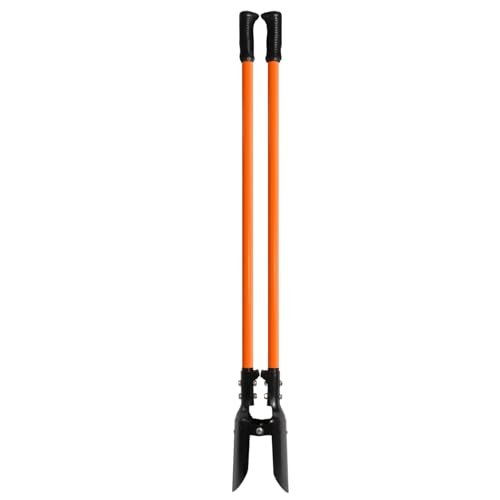
The Nohovu model features sturdy carbon steel blades designed to remain sharp in dense clay. The blades’ curved edges aid in efficient digging, reducing resistance when penetrating compact soil. Thickened fiberglass handles offer durability and a non-slip grip, helping maintain control through tough clumps or roots. Construction relies on four screws connecting the blade and handle, creating a reliable, rigid assembly suitable for demanding outdoor use.
Performance in clay is driven by blade geometry and leverage. The Nohovu tool emphasizes strong, sharp blades and a solid connection between components, which can translate to quicker hole formation and fewer re-digs. Weighing considerations about user comfort, this model balances blade strength with a grip that minimizes fatigue during extended digging sessions.
Fiskars 60″ Steel Posthole Digger
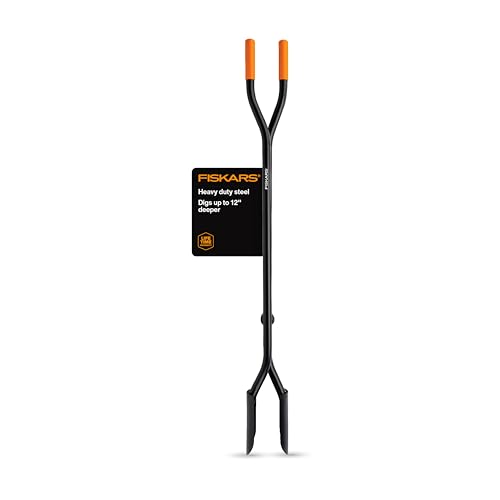
Fiskars offers a long-handled, steel-posthole digger designed for heavy clay work and fence installations. The offset handles allow digging up to 12 inches deeper than traditional models while protecting knuckles. Sharp blades deliver clean cuts through tough turf and dense soil. The 60-inch length minimizes bending and kneeling, which is advantageous when working on larger layouts or in persistent clay layers.
Long-term durability is reinforced by a welded, hardened blade and a steel handle. Fiskars tools are known for reliability, and this model reflects that with a construction focused on preserving integrity under repeated use. For users who value deep holes and reduced physical strain, this digger provides a practical balance of reach and strength.
VEVOR Post Hole Digger With Gas Powered Engine

VEVOR’s gas-powered auger digs through clay with a powerful 43cc engine. The 8″ earth auger bit is paired with a 30-inch alloy-steel auger shaft, designed for stability and durability in tough soil. The engine’s cooling design and easy fuel mix ratio support longer digging sessions without overheating. A large-capacity fuel tank enables multiple holes per fill, increasing productivity on larger projects.
Durability is enhanced by a powder-coated alloy steel drill bit and a heavy-duty welded handle. The design prioritizes efficiency and consistency, making it a strong option for homeowners who need to install multiple posts quickly in clay-rich ground. Start-up ease and reliable power are key advantages in this category.
AMES 2701600 Post Hole Digger With Hardwood Handle

AMES delivers a traditional option with a 58-inch hardwood handle and a tempered steel blade. The larger blade height helps in clipped clay conditions by maintaining efficient shoveling action. The oversized cushion grip adds comfort, particularly during long digging tasks where clay’s density compounds fatigue. The blade is built to handle resistance without deforming, maintaining performance over time.
For users preferring a classic construction, the AMES model offers straightforward reliability. The hardwood handle reduces vibration transfer into the user’s hands, which can be beneficial when working in compact, clay-heavy soils that require repeated digging and repeated lifts.
VNIMTI Post Hole Digger Tool: Heavy Duty With Fiberglass

VNIMTI emphasizes a sturdy blade and a thickened fiberglass handle designed to withstand tough clay digging. The steel head is reinforced to resist impact damage, and the double-reinforced joints provide stability under load. The blade’s sharpness and the handle’s non-slip grip work together to improve digging efficiency and control when soil is dense and rooted.
This model balances weight and strength, offering a practical solution for extended sessions in clay soil. The reinforced joints help prevent wobble, ensuring more precise holes with less effort. The combination of a high-grade blade and a durable handle makes VNIMTI a solid choice for builders and homeowners dealing with tough ground conditions.
Buying Guide: Key Considerations For Clay Soil
- Blade quality and angle: For clay, choose blades with strong steel and curved edges to cut through dense soil with fewer passes.
- Handle material and length: Fiberglass or steel handles offer durability; longer handles reduce bending and knee strain, especially on heavy clay.
- Joint construction: Look for solid connections (screws or welded joints) to minimize wobble and increase durability under pressure.
- Weight and balance: Heavier diggers can cut through clay more effectively but may cause fatigue; balance is key for extended use.
- Engine vs manual: Gas-powered augers provide speed and consistency for large jobs but require maintenance; manual diggers are lighter and quiet for small projects.
- Durability: In clay conditions, tools should resist bending, cracking, and corrosion; powder coatings and hardened blades help.
- Maintenance: Keep blades sharp and clean; lubricate moving parts if applicable to extend lifespan.
- Safety: Wear gloves and sturdy boots; ensure handles are free of cracks that could fail under strain.
- Application scope: For fences and posts, consider tool length and reach to minimize bending while maintaining power.
- Budget vs value: Higher upfront cost can equate to longer life and fewer replacements in clay soil.
In summary, clay soil demands tools with sharp, durable blades and sturdy, comfortable handles. Models like Nohovu and VNIMTI emphasize reinforced connections and ergonomic grips, while Fiskars and AMES offer reliable, long-reach options. The VEVOR gas-powered model increases productivity for larger projects, though manual options may suffice for smaller installations. Evaluate soil density, project scale, and user comfort to choose the best digger for your clay-filled landscape.