Best Pressure Washer Options to Start Your Small-Business Cleaning Service
Launching a pressure-washing business requires gear that blends power, reliability, and ease of use. The following selections focus on versatile machines suitable for starting a service—from driveways and decks to siding and garage floors. Each option balances performance with portability so one operator can handle jobs efficiently while expanding service capabilities.
The quick reference below highlights five standout models, their core strengths, and what makes them practical for new business owners. Use this table to compare capabilities at a glance and guide deeper reads into each product’s details.
| Product | Type | Power & Flow | Notable Benefit |
|---|---|---|---|
| DeWalt DXPW3425E-S | Gas, Axial Cam Pump | 3400 PSI, 2.5 GPM | Electric-start engine; robust for frequent commercial cleaning |
| Westinghouse WPX3400 | Gas, Onboard Tank | 3400 PSI, 2.6 GPM | All-in-one setup with onboard soap and versatile nozzle set |
| Greenworks Compact Electric | Electric, Lightweight | 1600 PSI, 1.2 GPM | CSA certified; ideal for low-noise neighborhood work |
| Westinghouse WPX3000e | Electric, Induction Motor | 3000 PSI, 1.76 GPM | Compact and quiet; good for smaller residential jobs |
| Westinghouse ePX3050 | Electric, Axial Pump | 2100 PSI, 1.76 GPM | Foam cannon included; straightforward for entry-level customers |
DeWalt DXPW3425E-S 3400 PSI Gas Washer

The DeWalt DXPW3425E-S combines a powerful 3400 PSI axial cam pump with a robust 208cc engine for demanding cleaning tasks. The electric-start feature simplifies operation, reducing physical strain for operators who handle multiple jobs per day. A 2.5 GPM flow provides effective surface cleaning for decks, siding, patios, and exterior prep before painting. Built on a welded steel frame with a powder-coated finish, this model prioritizes durability in rough job-site conditions. Its portability is enhanced by a compact footprint and 10-inch premium pneumatic tires, making it easier to maneuver across lawns, driveways, and uneven terrain. This unit is well-suited for mid- to larger-scale residential jobs and can handle routine commercial cleaning tasks with reliability.
Key features include: quick-connect nozzle options, a thermal relief valve to prevent overheating, and a design that supports frequent, long-duration operation. For a new business, its combination of high cleaning power and ergonomic start-up can help minimize job time and increase daily job capacity. Note that gas-powered machines require regular maintenance and fuel management.
Westinghouse WPX3400 Gas Washer

The Westinghouse WPX3400 offers a similar cleaning punch with 3400 PSI and 2.6 GPM, making it capable of tackling tough outdoor cleaning fast. It ships with an onboard soap tank and a 25-foot abrasion-resistant hose, along with five quick-connect nozzles (0°, 15°, 25°, 40°, and soap) to cover a wide range of cleaning scenarios. The model is designed for cars, fences, driveways, and exterior walls, making it a versatile option for a budding business that handles a variety of properties. The onboard storage and ergonomic spray gun help keep work sites organized, reducing setup and breakdown time.
Consider this unit if you anticipate frequent multi-property cleaning cycles and value a compact, all-in-one package. Gas-powered units typically offer higher mobility without an external power source, though they require fuel and regular maintenance.
Greenworks Compact Electric Pressure Washer

Greenworks delivers a compact electric option with 1.2 GPM at 1600 PSI, designed for lighter cleaning tasks. This CSA-certified unit is ideal for smaller properties, cars, fences, patios, decks, and driveways where quiet operation and low maintenance are valued. The 20-foot hose and 35-foot power cord add flexibility for home-style cleaning without needing a fuel supply or loud engine. For a business focused on low-noise, neighborhood-friendly work or quick turnaround on smaller jobs, this model is a practical entry point that scales easily for light-duty sessions or as a companion to more powerful machines in a service fleet.
Westinghouse WPX3000e Electric Pressure Washer
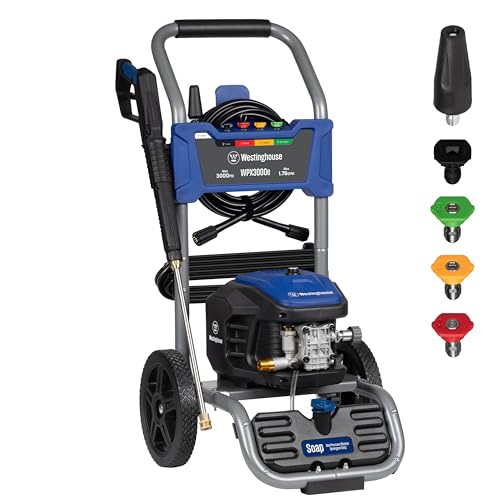
The WPX3000e provides a solid electric alternative with 3000 PSI and up to 1.76 GPM, balancing power with quiet operation. Its induction motor and axial pump offer reliable performance for medium-duty cleaning jobs. The onboard soap tank and a 25-foot hose align with typical residential-commercial cleaning needs, supporting tasks like concrete driveway cleaning, siding refresh, and deck maintenance. The unit’s compact profile makes it easy to store and transport between jobs, a meaningful advantage when managing a small operation with limited garage or van space.
Westinghouse ePX3050 Electric Pressure Washer

The Westinghouse ePX3050 sits at 2100 PSI with 1.76 GPM, focusing on reliability and ease of use for smaller to mid-size jobs. Its foam cannon adds versatility for cleaning heavily soiled surfaces like driveways, siding, and fences. The unit combines a compact design with a user-friendly footprint, ideal for entry-level service providers building a client base through neighborhood projects. For startups prioritizing beginner-friendly operation and consistent results in typical residential cleaning tasks, this model delivers solid performance without overwhelming maintenance demands.
Buying Guide
When selecting a pressure washer for a new business, consider the following factors to align with service scope and client expectations:
- Power type and portability: Gas models like the DeWalt and Westinghouse WPX3400 deliver high cleaning power and mobility without cords, suitable for larger properties or multi-site jobs. Electric models are quieter, lighter, and maintainable, ideal for smaller properties or urban neighborhoods.
- PSI and GPM balance: Higher PSI and GPM speeds cleaning, but field use also depends on nozzle choice and surface type. For initial jobs, aim for at least 2000–3000 PSI with a solid GPM (at least 1.5–2.0) to handle concrete, siding, and wood surfaces efficiently.
- Durability and maintenance: Look for powder-coated frames, axial pumps, and reliable engines or induction motors. Durable frames and hoses reduce downtime on job sites and lower long-term repair costs.
- Portability and storage: A compact footprint, lightweight design, wheels, and ergonomic handles help reduce fatigue on back-to-back jobs. For business fleets, modularity and ease of transport matter.
- Accessory versatility: Quick-connect nozzles, onboard soap tanks, and optional surface cleaners or foam cannons expand capabilities. This flexibility supports a broader service mix, from furniture cleaning to exterior prep for painting.
- Noise and emissions: Electric units offer quieter operation and are typically better suited for densely populated areas. Gas units may be more appropriate for open areas or sites without easy access to electricity.
- Maintenance plan: Establish a routine for oil changes (gas models), filter checks, and motor inspections. Warranty coverage and available replacement parts influence long-term costs and uptime.
In practice, a mixed fleet often yields the best results: a strong gas-powered model for heavy-duty, multi-property jobs and a capable electric unit for daily residential cleanups. Start with one or two primary machines aligned to your target market, then expand with complementary tools and accessories as your business grows.