Best Pruners for Arthritic Hands: Ergonomic Picks for Easy, Pain-Free Pruning
Finding pruning shears that reduce strain while delivering clean, effective cuts is essential for gardeners with arthritis or limited hand strength. This article reviews five ergonomic pruners designed to minimize grip fatigue, enhance leverage, and provide smooth operation without sacrificing performance. Each option below combines sturdy construction, thoughtful handles, and precise blades to support healthier, more enjoyable gardening sessions.
| Product | Brand | Key Benefit |
|---|---|---|
| MEPEREZ Ultra Sharp Germany Steel Pruning Shears | MEPEREZ | Effortless cuts with ergonomic design |
| gonicc 8″ Professional Titanium Bypass Pruning Shears | gonicc | Premium titanium blade, lightweight comfort |
| Haus & Garten ClassicPRO 8.5″ Pruning Shears | Haus & Garten | Ergonomic, anti-fatigue design for smaller hands |
| Felco F6 Pruning Shears | FELCO | Replaceable parts, precise, durable cutting |
| PrunePro Pruning Shears | PrunePro | German stainless steel, smooth cuts |
Below you’ll find a detailed look at five pruners selected for arthritic hands or weak grip strength. Each section includes a brief product highlight, its design strengths for comfort and control, and practical notes on blade quality and handling. The goal is clear: help gardeners choose tools that minimize effort while maximizing pruning accuracy and plant health.
MEPEREZ Ultra Sharp Germany Steel Pruning Shears

The MEPEREZ pruners use premium steel and a wear-resistant coating to maintain sharpness through extended use. The design emphasizes a comfortable grip that accommodates small to medium hands and requires relatively little force to perform a cut. The blade’s durability supports frequent pruning of small branches while keeping pruners effective over time. A note for arthritic users: the ergonomic handle and responsive blade action provide leverage that reduces wrist strain during longer pruning sessions.
Key features include: strong construction, long-lasting sharpness, and a versatile tool suitable for pruning herbs, houseplants, and garden shrubs. The tool’s durability and ease of sharpening help maintain performance with minimal maintenance, which is important for users seeking reliable, low-effort pruning solutions.
gonicc 8″ Professional Titanium Bypass Pruning Shears
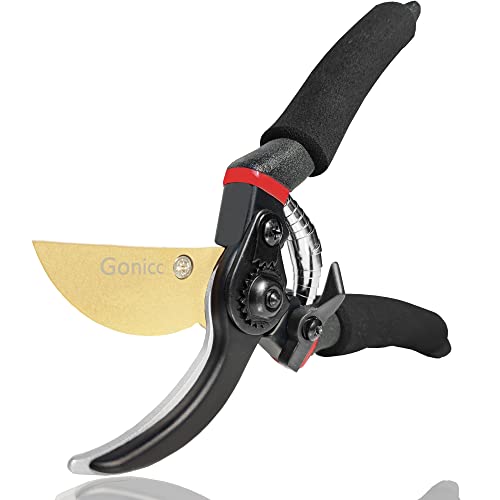
These pruning shears combine a drop-forged body with a premium titanium blade finished with ultra-fine polishing. The ergonomic, non-slip handles are designed to be strong yet lightweight, supporting comfortable control for gardeners with limited grip strength. The overall balance helps reduce fatigue, making it feasible to complete pruning tasks with less effort per cut. The titanium-coated blade offers corrosion resistance, contributing to a longer tool life under regular garden use.
Highlights include: durable blade material, ergonomic grip, and a lightweight, user-friendly feel. The combination makes these shears a popular option for those needing reliable performance without heavy hand strain, especially on smaller to medium pruning tasks.
Haus & Garten ClassicPRO 8.5″ Pruning Shears

The ClassicPRO model emphasizes an ergonomic handle with anti-fatigue design and non-slip grips. Its construction uses high-carbon Japanese-grade steel for sharp, precise cuts. The pruner’s weight distribution and shock-absorbing pads reduce wrist strain, making it suitable for users with arthritis or limited hand strength. The blade and handle materials are selected to resist rust, supporting durability in regular garden use.
Considerations for buyers include: comfortable grip for smaller hands, a focus on clean cuts to promote plant health, and rust resistance for longevity. The tool is positioned as a reliable, all-around option for routine pruning tasks in home gardens and container plantings.
Felco F6 Pruning Shears

The F6 model is built for durability and professional-grade performance. It features forged aluminum handles and a precision bypass blade, with replaceable components to extend tool life. The rotating handle design reduces cutting impact and increases comfort, particularly for users who prune in bursts or have wrist concerns. A sap groove helps minimize blade sticking, supporting smoother operation across frequent cuts.
Strengths include: robust construction, long-lasting replaceable parts, and ergonomic handling that aids those with arthritis. The F6 is a solid choice for gardeners seeking a trusted, high-quality pruner capable of handling a range of pruning tasks with reduced strain.
PrunePro Pruning Shears

PrunePro uses upgraded German stainless steel (1.4031) for improved hardness and rust resistance, paired with Diamond Teflon coating to reduce friction and maintain sharpness. The blades are designed to deliver clean, flat cuts without crushing plant tissue. A robust safety lock helps prevent accidental engagement during storage or partial cuts, contributing to safer handling for users who may struggle with tight grip control.
Notable attributes include an ultra-sharp edge, reliable cutting performance on varied plant material, and a safety design that suits careful pruning under multiple conditions. This model offers a practical balance of blade geometry, coating benefits, and protective features for arthritic gardeners seeking dependable cuts with less effort.
Buying Guide: Key Purchase Considerations And Comparisons
Choosing pruners for arthritic hands involves evaluating grip design, blade quality, and overall weight distribution. Consider the following factors to identify the best match for your needs:
- Grip and handle design: Look for ergonomic handles with soft, non-slip grips and adequate palm support. A longer handle can increase leverage, reducing required force per cut.
- Blade material and coating: High-quality steel blades with coatings that resist corrosion stay sharp longer and require less maintenance. Titanium-coated or coated blades are common for longevity.
- Cutting mechanism: Bypass pruners provide clean cuts on live wood, while anvil pruners can be more forgiving for tougher stems. Ratchet mechanisms may offer added assistance for very thick branches but can add weight.
- Weight and balance: Lighter tools reduce fatigue, but too-light a blade can compromise cutting power. Seek a balanced tool that feels comfortable in the hand.
- Replaceable parts: Models with replaceable blades, springs, and handles extend tool life, an important consideration for long-term use.
- Maintenance: Easy sharpening, rust resistance, and simple cleaning help keep pruning tools effective with minimal effort.
- Intended tasks: For frequent small cuts in herbs and shrubs, a lighter, precise pruner is ideal. For tougher, thicker branches, a robust, high-leverage model may be necessary.
- Usage context: If pruning in wet or humid conditions, rust resistance and grip texture become more critical.
When evaluating options, prioritize models that offer a combination of ergonomic design, durable blades, and practical safety features. For users with arthritis, the goal is to reduce grip pressure per cut while maintaining clean, precise pruning results. Testing several options with light-to-medium pruning tasks can help determine which model best fits your hand size, strength, and typical plant material.