Best Random Orbit Sander for DIYers and Pros
Choosing the right random orbit sander can dramatically improve dust control, finish quality, and project speed. This guide highlights five top options available on Amazon, spanning pros’ features like variable speed, dust collection efficiency, and vibration reduction. Each entry includes a quick snapshot of what to expect, helping you decide which sander best fits woodwork, finishing, or light remodeling tasks. The list balances affordability and performance to support both hobbyists and professionals.
| Product | Brand | Key Feature | OPM Range |
|---|---|---|---|
| DEWALT DWE6423 | DEWALT | Vibration-reducing counterweight | 8,000–12,000 |
| SKIL SR211601 | Skil | Cyclonic dust box for easy cleanup | 13,000 |
| Milwaukee 2648-20 | Milwaukee | CORDLESS convenience with easy use | – |
| BOSCH GET75-6N | BOSCH | Dual-mode: random orbit & turbo | – |
| WORKPRO 5-Inch | WORKPRO | Six speeds for versatility | 7,000–14,000 |
The following sections break down each model’s strengths, focusing on real-world performance, dust management, noise and vibration, and ease of use. All are well-regarded choices for finishing work, woodworking projects, and general surface prep.
DEWALT Random Orbit Sander, 5-Inch, Variable Speed

The DEWALT DWE6423 offers a 3-amp motor with a sanding pad speed range of 8,000 to 12,000 OPM, making it suitable for a wide array of finishing tasks. A dedicated counterweight design minimizes vibration, contributing to user comfort during longer sessions. The dust-sealed switch extends tool life in dusty environments, helping maintain consistent performance. Move between delicate and aggressive tasks with variable speed control, allowing for precise material removal without gouging the workpiece.
SKIL 5” Random Orbital Sander with Cyclonic Dust Box

SKIL SR211601 features a 2.8-amp motor delivering up to 13,000 OPM, delivering smooth performance over a variety of sanding tasks. The X-flow cyclonic dust box improves dust collection and reduces buildup on the pad, helping maintain consistent contact with the workpiece. Variable speed control provides better control across different materials, making this model a practical choice for beginners and intermediate users who want reliable results with minimal cleanup.
Milwaukee M18 Random Orbit Sander

Milwaukee’s 2648-20 M18 model brings cordless convenience to the fore, combining ease of use with a familiar random orbit approach. The tool is designed for straightforward operation and user-friendly handling, particularly in tight spaces or overhead tasks where a corded model may be cumbersome. While the listed features emphasize ease of use, users should consider battery life and charging times for extended projects.
BOSCH GET75-6N 7.5 Amp Orbital Sander
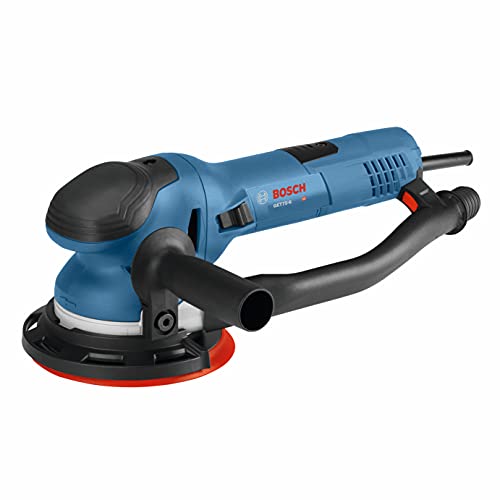
The BOSCH GET75-6N provides a versatile dual-mode configuration, offering both random orbit and turbo-driven sanding. The six-inch disc size supports larger surface areas, and the multi-hole pad system enhances dust management by accommodating a wider range of abrasive discs. Turbo mode delivers aggressive stock removal, helpful for leveling rough surfaces before finer finishing passes. The integrated dust features and dampening system help reduce swirl marks on flat or contoured surfaces.
WORKPRO 5-Inch Random Orbit Sander

WORKPRO’s five-inch sander combines six variable speeds from 7,000 to 14,000 OPM with a 2.5-amp motor, offering flexible performance for wood, plastics, and metal prep tasks. The included dust collector helps minimize cleanup, while the overall design emphasizes ease of use and stable handling. Its sanding motion blends orbital and turning actions to reduce visible sanding marks, which is beneficial for finishing drawers, cabinets, and furniture components.
Buying Guide
Key purchase considerations help align choice with project demands and budget:
- Power and speed: Higher OPM benefits fast material removal, but may increase vibration. A model with a broad speed range improves finish control for different materials.
- Orbital pattern and dust handling: Look for models with a dampening system or counterweight to reduce swirl marks and vibration. Robust dust collection improves visibility and cleanliness.
- Disc size and pad system: Most common are 5-inch discs; multi-hole or cyclonic pad systems enhance dust extraction. Hook-and-loop discs offer easy changes.
- Ergonomics and weight: Lightweight tools reduce fatigue on large projects. Consider grip shape and balance for control during longer sessions.
- Corded vs. cordless: Corded models offer constant power; cordless options provide mobility in tight spaces but require battery planning for longer jobs.
- Maintenance and durability: A sealed switch and well-sealed cabinets extend life in dusty environments. Rotor balance contributes to longevity and consistent performance.
When choosing among the highlighted models, consider the specific tasks you typically perform: finishing delicate surfaces benefits from low OPM and dampened pads, while removing material on rough stock may require higher OPM or turbo modes. If dust management is a priority, models with cyclonic or integrated dust boxes can reduce cleanup time. For portability, cordless options add flexibility, though you should account for battery life and replacement costs in longer projects.