Best Attic Rolled Insulation for Lower Energy Bills
Choosing the right rolled insulation for an attic can significantly cut cooling costs and improve year‑round comfort. This guide reviews five top options, focusing on radiant barrier performance, coverage, and ease of installation. Each product below helps block radiant heat and reduce heat gain, with varying thickness, reflectivity, and application methods to suit different attic layouts and climates.
| Product | Brand | Key Benefit |
|---|---|---|
| Radiant Barrier 1000 sq ft | RadiantGUARD | High reflectivity and heavy-duty build for substantial heat reduction |
| Houseables Radiant Barrier | Houseables | Large coverage and strong reflectivity with easy handling |
| Radiant Barrier 500 sq ft | RadiantGUARD | Compact option with durable performance and easy DIY install |
| US Energy Products Radiant Barrier | AES | High reflectivity with practical 1,000 sq ft coverage |
| UBmove Reflective Insulation Bubble Roll | UBMOVE | Bubble‑foil combination for extra cushioning and climate control |
RadiantGUARD Xtreme Heavy Duty Attic Roll

RadiantGUARD’s 1000 sq ft roll is designed for commercial-grade performance with a heavy, durable build. It uses double reflective aluminum to block an estimated 95% of radiant heat transfer, helping stabilize attic and living space temperatures. The product notes emphasize ASTM C1313 radiant barrier certification, material strength, and fire characteristics, which are important for building code compliance. Installers typically staple the foil to the underside of attic rafters, with additional coverage on vertical attic walls to ensure full barrier effectiveness. The added weight and rugged construction are beneficial for large attic projects or areas with high heat exposure.
Houseables Radiant Barrier Insulation Roll

This 1000 sq ft Houseables roll provides a wide, four-foot width and a length of 250 feet, delivering straightforward coverage for most attics. Features highlight an impressive >97% reflectivity with a double-sided, tear-resistant foil designed to minimize radiant heat gain and loss. The material is thin and easy to handle, cuts cleanly with basic utility scissors, and resists tearing during installation. Non-toxic and resistant to humidity, it’s promoted as a maintenance-free barrier suitable for new builds and retrofits. Its performance makes it a practical option for mid-sized attic spaces seeking noticeable temperature improvements.
RadiantGUARD 500 Sq Ft Attic Roll

This compact RadiantGUARD option offers 500 sq ft of reflective barrier with similar signaling to the 1000 sq ft version: high reflectivity, moisture resistance, and straightforward installation. The product emphasizes a substantial reduction in attic heat and potential energy savings by creating a robust shield against radiant heat from the roof. It’s compatible with stapling to rafters and can be paired with wall coverage for comprehensive attic isolation. The shorter roll is suitable for smaller attic spaces or selective retrofits where only portions of the attic require radiant protection.
AES Radiant Barrier Insulation 1000 Sq Ft
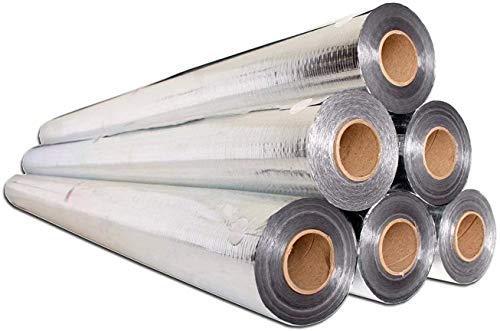
US Energy Products Offers a 1,000 sq ft roll with very high reflectivity, marketed as a practical solution for both new constructions and retrofits. The product claims a reflectivity of over 99.7%, which translates into strong resistance to radiative heat gain. The double-sided foil is designed to resist tearing and wrinkling and is easy to cut to fit an irregular attic layout. Non-toxic and resistant to humidity, this option emphasizes long-term durability and easy handling, making it suitable for homeowners tackling mid-range attic projects that require reliable performance without specialized tools.
UBmove Reflective Bubble Insulation Roll

UBmove combines foil with a bubble core to boost insulation value while offering a cushioning layer that can aid in handling during installation. The product is marketed as a one‑sided bubble foil roll, 48 inches wide and 125 feet long, ideal for colder climates where additional thermal buffering matters. The bubble layer adds a minor thickness that can improve sealing against drafts, and the foil surface provides strong radiant heat reflection. It is presented as versatile for garages, greenhouses, and other spaces where quick, effective protection from temperature swings is desired.
Buying Guide: Key Considerations For Choosing Attic Rolled Insulation
- Reflectivity and R-value: Look for high reflectivity ratings (often >95%) to maximize radiant heat reduction. Consider the overall thermal resistance and how it complements existing attic insulation.
- Coverage Area: Calculate attic square footage and select a roll width and length that minimize seams. Larger rolls reduce installation time and potential gaps that allow heat transfer.
- Perforation and Breathability: Perforated barriers can improve moisture management in some attics, reducing condensation risks when paired with proper ventilation.
- Vapor Barrier and Moisture Resistance: A good vapor barrier helps prevent condensation buildup and mold. Ensure compatibility with your climate and moisture conditions.
- Fire Rating and Building Codes: Choose products with appropriate fire ratings (Class A/1 or equivalent) and ensure they meet local building codes and ASTM standards.
- Durability and Handling: Heavier rolls may offer durability but can be harder to install. Consider your stapling method, accessibility of the attic, and whether you need lightweight handling or extra ruggedness.
- Installation Method: Most products are installed by stapling to rafters or walls. Verify whether vertical wall coverage is recommended for complete attic sealing in your space.
- Longevity and Maintenance: Most radiant barrier rolls are low-maintenance once installed. Check for any requirements related to humidity exposure or long-term performance in your region.
- Cost and Availability: Compare price-per-square-foot and availability in your area. While higher reflectivity often correlates with better performance, the practical gains depend on attic design and climate.
- Compatibility with Existing Insulation: In many cases, radiant barrier insulation works best as a complement to existing insulation rather than a full replacement. Plan a layered approach for optimal results.