Best Roofing Underlayment for Shingles: Durable, Weather-Ready Options
Choosing the right roofing underlayment is essential for protecting the roof deck, reducing leak risk, and smoothing installation. This guide highlights top underlayment choices designed for shingles, detailing durability, installation ease, and weather resistance. Each option is evaluated for tear resistance, moisture barriers, and grip to the deck, helping you compare performance at a glance.
Summary table of selected products:
| Product | Brand | Roll Size | Key Benefit |
|---|---|---|---|
| DuPont Roof Protector | DuPont | 42″ x 286′ | |
| Grip-Rite SL154250LWE | Grip-Rite | 48″ x 250 ft | |
| FT Synthetics Platinum | FT Synthetics | 48″ x 250′ | |
| Grace Select Roll | Grace | 36″ x 195 sq ft | |
| SQQEZ Self-Adhesive Underlayment | SQQEZ | Size varies by product |
DuPont Roof Protector Roofing Underlayment
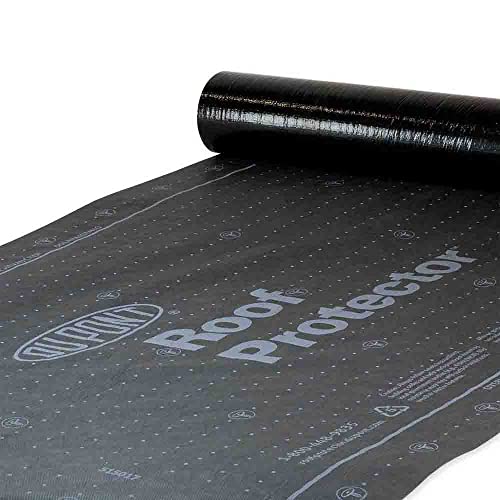
DuPont Roof Protector underlayment is engineered for durability and protection. Its four-layer construction includes a top grip layer, a lamination water barrier, a woven polypropylene scrim for strength, and a slip-resistant coating that enhances grip on the roof deck. This combination aims to preserve the roof deck during installation while providing a reliable secondary moisture barrier. The enhanced tear resistance helps withstand challenging conditions and foot traffic during roof work, making it a strong all-around option for shingle applications.
Grip-Rite SL154250LWE 48 in. x 250 ft. Synthetic Underlayment

Grip-Rite’s SL154250LWE offers a lighter, stronger alternative to traditional felt. The ShingleLayment rolls come in a generous 48-inch width and 250 feet length, designed to reduce labor through fewer seams and faster installation. This underlayment is made from tough woven polypropylene to resist tearing and wind uplift. UV treatment extends exposure tolerance to 180 days, aiding installers who face delays or multi-day jobs. It provides temporary weather protection while maintaining effective secondary moisture control.
Self-Adhesive Sheds Roofing Felt By SQQEZ

SQQEZ offers a versatile self-adhesive underlayment that doubles as a waterproofing membrane. It is suitable for multiple applications, including repairs and moisture prevention on roofs, metal surfaces, gutters, and balconies. The adhesive layer provides strong sealing performance with heat and cold resistance, enabling long service life across climates. Its flexible cutting allows tailored installation with a quick, seamless seal when applied to the roof deck.
FT Synthetics Platinum Synthetic Roofing Underlayment

FT Synthetics Platinum underlayment uses a 20-mil polyolefin construction for professional-grade strength, which delivers superior durability versus traditional felt. The 48″ x 250′ roll reduces seams and speeds installation, helping maintain deck protection across larger roof sections. A GRIPSPOT slip-resistant surface improves footing for workers in dry or wet conditions, contributing to safer and more efficient work on steep pitches. The underlayment is also recyclable, aligning with sustainability considerations for roof projects.
Grace Select 36 in. x 195 sq. ft. Roll Roofing Underlayment
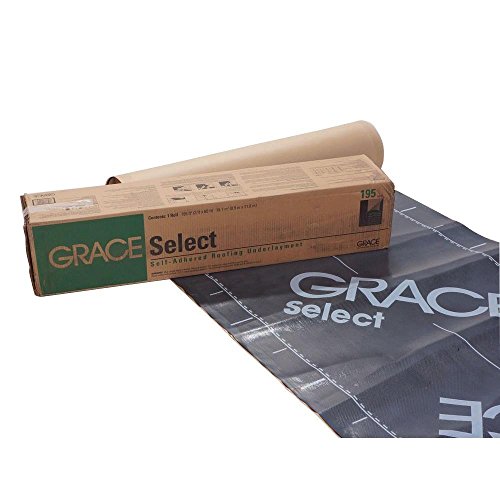
Grace Select underlayment comes in a lighter, self-adhered format designed for easy handling and application. Its self-sealing capability helps create a consistent moisture barrier and reduces the risk of leaks during the critical installation phase. Lightweight handling can simplify ladder work and speeding up crew productivity, particularly on smaller roof sections or DIY projects. This option suits homeowners seeking straightforward, no-fuss application with reliable performance.
CIPER Roofing Shingles Kit

While primarily a shingle product, CIPER bundles 3-tab gray shingles suitable for quick repairs or small roof sections. Wind resistance up to 60 mph makes these shingles a practical option for DIY roofing tasks, sheds, or repairs where a complete roof replacement isn’t needed. This section provides a complementary perspective for homeowners considering shingles in conjunction with underlayment for a complete project solution. The kit’s emphasis is on reliability and ease of installation for non-professional settings.
Buying Guide: Key Purchase Considerations
When choosing roofing underlayment for shingles, consider these factors to balance performance with project needs:
- Durability and tear resistance: Higher tear resistance reduces wear during installation and over time, especially on steep pitches or windy sites.
- Moisture protection: A strong moisture barrier helps prevent leaks from wind-driven rain and ice dams. Four-layer constructions and self-sealing options can offer enhanced protection.
- Slip resistance and safety: A slip-resistant surface improves worker footing, reducing fall risk on the roof deck during installation.
- UV exposure tolerance: Some underlayments are UV-treated to tolerate exposure before installation without degrading, which is important for jobs lasting several days.
- Weight and handling: Heavier products may provide durability but require more labor; lighter mats can speed installation but may trade off some toughness.
- Compatibility with shingles: Ensure the underlayment is compatible with the chosen shingles and local building codes. Self-adhering variants can simplify sealing along eaves and ridges.
- Environmental considerations: Recyclability and low-emission materials may matter for eco-conscious projects.
- Warranty and service life: Look for rolls with warranty coverage and documented performance expectations under typical climate conditions.
- Roll size and waste: Larger rolls reduce seams but may add to handling effort. Plan based on roof area and typical waste.
- Installation climate: For regions with extreme heat or cold, select underlayments rated for those conditions to avoid material failure.
In practice, many projects benefit from a combination: a high-tensile, tear-resistant underlayment for the main deck, paired with a lightweight, easy-to-apply self-adhesive option for problem areas around eaves and valleys. Safety features such as grip textures and wind-resilience ratings further influence the choice based on roof pitch, exposure, and crew experience. Consider your project scope, climate, and installation timeline when selecting from these options.