Best Rubber Boots for Concrete Work
Concrete environments demand footwear that protects against impact, keeps feet dry, and withstands harsh chemicals while offering long-lasting comfort. This guide highlights top rubber boots designed for concrete-related tasks in construction, manufacturing, and maintenance. Each pick balances protection, waterproofing, and durability to help workers stay safe and productive on demanding job sites.
| Product | Brand | Key Benefit |
|---|---|---|
| Showave Steel Toe Rubber Work Boots | Showave | ASTM F2413-18 steel toe protection |
| TREDS Rubber Concrete Boot, Black | TREDS | One-piece molded, easy pull-on design |
| TIDEWE Puncture Proof Work Boots | TIDEWE | Steel shank with puncture resistance |
| Servus XTP 15″ PVC Chemical-Resistant Boots | Honeywell | Triple density PVC, chemical resistance |
| TIDEWE Rubber Work Boot with Steel Toe | TIDEWE | Steel toe and shank, 100% waterproof |
Showave Steel Toe Rubber Work Boots for Men

Showave offers a protective option for demanding concrete environments with certified steel-toe and a steel shank. These boots use a one-piece injection-molded design to deliver 100% waterproof performance, reducing the risk of moisture intrusion on wet job sites. The construction is engineered to resist chemicals, acids, and oils encountered in industrial settings, helping to extend boot life in harsh environments. The combination of anti-smash protection and puncture resistance positions these boots as a solid choice for workers handling heavy materials, machinery, or tools in wet, muddy, or oil-spattered conditions.
TREDS Rubber Concrete Boot, Black
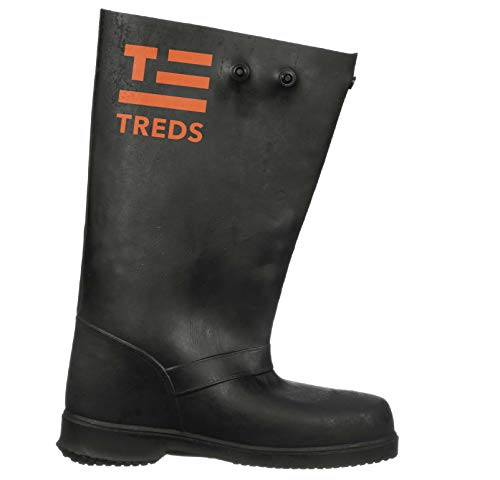
TREDS emphasizes a pragmatic design for concrete work with a pull-on style that minimizes downtime. The boots feature a reinforced heel and a block-tread sole for reliable traction on slick surfaces, which is essential when working with wet concrete or debris. A one-piece molded construction eliminates seam failures common in multi-piece boots, and the stretchy material simplifies wearing over boots and thick socks. While focused on ease of use and safety, these boots remain flexible for long shifts in varied weather and site conditions.
TIDEWE Puncture Proof Work Boots

These TIDEWE boots combine puncture resistance with a steel shank to support foot arches during long workdays on concrete floors. The 100% waterproof rubber and neoprene outer shell protect against water, oils, and other liquids encountered in industrial or construction settings. The outsole is designed for traction on wet or uneven surfaces, reducing slip risks. A measured note on fit helps achieve optimal comfort across shifts, aligning sizing guidance with actual wear for the best balance of protection and mobility.
Servus XTP PVC Chemical-Resistant Boots

The Servus XTP boots from Honeywell bring chemical resistance into a robust PVC construction. They are injection-molded with triple-density technology, offering defense against harsh chemicals commonly found in manufacturing and maintenance work. The 100% waterproof design keeps feet dry, while a contoured insole provides arch and heel support. A thick steel shank adds stability, and the open-pattern outsole helps self-cleaning of debris—beneficial for long hours on concrete floors where materials can accumulate and hinder traction.
Hunthor Rubber Work Boots with Steel Toe

Hunthor blends durability with puncture resistance, featuring a steel toe and a 7mm neoprene waterproof layer. The boots are designed to endure rugged outdoor and indoor tasks, making them suitable for hunting, farming, and heavy-construction sites where sharp objects and wet surfaces are common. An EVA midsole enhances cushioning, while a non-slip rubber outsole provides reliable traction. The design emphasizes breathability and comfort, reducing fatigue during long shifts in challenging environments.
TIDEWE Rubber Boots for Men, Multi-Season
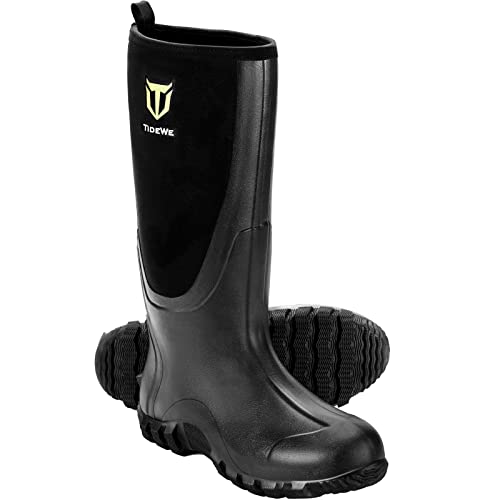
This TideWe style offers a versatile multi-season option with a steel toe and a steel shank for arch protection. The 6mm neoprene upper combined with natural rubber ensures 100% waterproof performance across a range of temperatures and environments. The outsole’s deep tread provides traction on wet concrete, mud, and uneven surfaces. The fit guidance helps ensure the boots sit securely on the foot for improved stability during long shifts, while the overall construction supports durability in demanding work settings.
Buying Guide: Key Purchase Considerations
- Protection Level: Look for steel toes and steel shanks for impact and puncture resistance, especially when working near heavy equipment or sharp concrete debris.
- Waterproofing and Materials: Full waterproof construction (rubber or neoprene with reinforced seams) is essential for wet jobs. PVC options provide chemical resistance but may trade flexibility for durability.
- Traction: A deep-tread, slip-resistant outsole is critical on wet concrete and oily surfaces. Traction helps reduce slips and falls on varied terrain.
- Fit and Sizing: Proper fit minimizes fatigue. Check insole dimensions and guidelines to select size, especially for thick socks or extended wear.
- Comfort Features: EVA or cushioned insoles, breathable linings, and flexible uppers improve all-day comfort for long shifts in concrete environments.
- Durability and Maintenance: One-piece molded designs reduce seam failure. Removable insoles and washable linings extend boot life and hygiene between uses.
- Chemical and Oil Resistance: If exposure to chemicals or oils is common, choose boots with chemical-resistant materials and tightly sealed seams to prevent degradation.
- Usage Context: For indoor shop settings and light outdoor tasks, lighter boots may suffice; for heavy construction or manufacturing sites, prioritize higher protection and rugged construction.
In concrete-heavy work, selecting boots with robust protection, reliable waterproofing, and strong traction can reduce fatigue and protect workers from common hazards. The highlighted models offer a range of protection profiles—from steel-toe safety and puncture resistance to chemical resistance and long-wearing outsoles—allowing teams to tailor gear to job requirements and site conditions.