Best Sandpaper for Paint Removal: Top Picks for Smoothing and Prep
Selecting the right sandpaper can dramatically improve paint removal, surface prep, and final finishes. The following picks cover coarse to fine grits for doors, furniture, cars, and metalwork. Each entry highlights the grit, intended surface, and practical uses to help you choose with confidence.
style=”font-weight:bold;”>Summary Table
| Product | Brand | Grit | Typical Use | Notes |
|---|---|---|---|---|
| 3M Sandpaper 220 Grit (9000NA-20) | 3M | 220 | Paint removal, wood & metal | General purpose, aluminum oxide |
| 3M Sandpaper 60 Grit (9003NA-20) | 3M | 60 | Coarse stripping | Power tool or hand sanding |
| 3M Pro-Pak Aluminum Oxide Sheet 220 Grit | 3M | 220 | Paint & rust removal | Wrapped block for angles |
| Meguiar’s Unigrit 1500 Grit Block | Meguiar’s | 1500 | Runs and minor defects in paint | Rigid sanding block for accuracy |
| LotFancy 120 Grit Sanding Discs | LotFancy | 120 | Paint stripping and rust removal | Affordable, compatible with orbital sanders |
3M Sandpaper 220 Grit For Paint Removal

This 3M sheet uses aluminum oxide for versatile sanding on paint, wood, and metal. The 220-grit level is a practical choice for removing existing coatings without overly grooving the substrate. It’s suitable for hand sanding or using with a sanding block, delivering a balanced cut and smooth finish. The paper is designed for general purpose projects, making it a reliable starter option for prep work before priming and painting.
3M Sandpaper 60 Grit For Quick Stripping

The 60-grit option is designed for aggressive material removal. It’s well suited to stripping paint from rough surfaces or removing old coatings quickly before finer sanding. Use by hand or on a sanding block, and pair with a power sander for efficiency. Aluminum oxide provides dependable durability, though it will cut faster and leave deeper scratch patterns that long-term prep must refine.
3M Pro-Pak 220-Grit Aluminum Oxide Sheet

This 220-grit aluminum oxide sheet from 3M is ideal for paint and rust removal in tighter spaces. The Pro-Pak format often includes multiple sheets with consistent grit, ensuring steady performance across tasks. The sheet works well with sanding blocks and manual operation where precision matters, helping to flatten runs or peel away coatings without gouging the surface.
Meguiar’s Unigrit 1500 Grit Sanding Block

Meguiar’s Unigrit 1500 grit is designed for refinishing and defect removal on painted surfaces. The 1500 grit provides a fine, controlled cut suitable for smoothing minor runs, sags, and overspray before polishing. The sanding block aids consistent pressure and even results across curved or irregular panels, reducing visible sanding marks during final prep.
Giying6 60+ Discs For Versatile Sanding
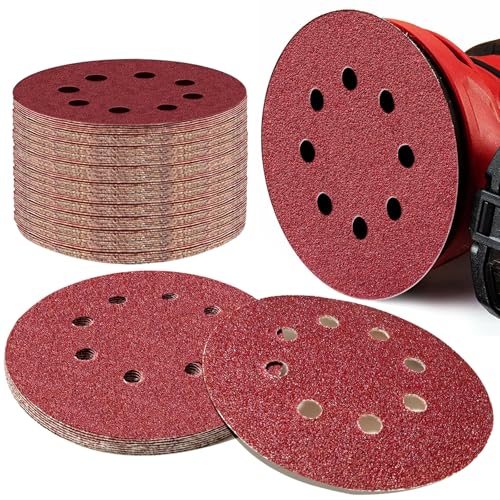
This 60-piece disc set includes multiple grits, from coarse to fine, to tackle a broad range of tasks. The assortment supports stripping paint, smoothing surfaces, and preparing for primer. Aluminum oxide provides solid performance with decent longevity, and the discs fit most random orbital sanders, enabling quick swaps between grits as you progress through a project.
LotFancy 120 Grit Discs For Finishing Prep

LotFancy offers 100 pieces of 120 grit sanding discs intended for rapid material removal and surface prep. The 5-inch discs are compatible with most orbital sanders and are reinforced with a durable aluminum oxide abrasive. This grit is a practical middle ground for removing finish layers before finer sanding or priming.
Buying Guide: Key Purchase Considerations For Paint Removal
- Grit range: Start coarse (40–60) for initial stripping, move to medium (80–120) to remove roughness, then fine (1500–3000) for finish prep and polishing. Selecting a kit with multiple grits can save time.
- Abrasive material: Aluminum oxide is common, offering balance between cut rate and longevity. Silicon carbide is excellent for metal and hard plastics but can wear faster with paint removal tasks.
- Backing and form: Sheets, blocks, and discs each suit different tools and angles. For curved surfaces, a sanding block or a flexible sheet helps keep a consistent grind.
- Dust control and clogging: Some papers feature stearate coatings or anti-clog designs to improve performance on paint and finishes. Consider these for longer sessions.
- Surface suitability: Wood, metal, and automotive finishes respond differently to sanding. Always test on a hidden area and follow with a compatible primer or coating.
- Tool compatibility: Check sander compatibility (orbital, detail, or palm sander) and disc size (commonly 5 inches) to ensure a proper fit and efficient workflow.
- Durability vs. cost: Higher-quality abrasives often last longer and reduce overall project time, but bundles with mixed grits can be more economical for DIYers.
- Safety considerations: Wear eye protection and a dust mask. Use a vacuum or dust extraction system to minimize airborne particles.