Best Saw Blades for Cutting Laminate Flooring: Top Picks for Clean, Precise Cuts
Choosing the right saw blade is essential for achieving smooth, accurate laminate floor installations. The following selections are among the most capable blades for laminate and related materials, balancing thin kerfs, diamond-tipped teeth, anti-vibration design, and durability. This guide highlights five blades that consistently perform well on American job-sites, with practical notes on use and compatibility.
The quick reference table below summarizes the five featured blades, including diameter, primary use, and standout features to help you compare at a glance.
| Product | Diameter | Primary Use | Key Benefit |
|---|---|---|---|
| WEN BL0704 7-1/4-Inch 4-Tooth Diamond-Tipped Blade | 7-1/4 in | Fiber cement and laminate flooring | Ultra-thin kerf for clean, efficient cuts |
| Diablo D1012LF PergoBlade | 10 in | Laminate, engineered wood, bamboo | PCD tooth for long blade life |
| Norske NCSBP273 10 in 80T | 10 in | Laminate, melamine, hardwoods | 35-degree ATB for ultra-smooth finishes |
| SKIL 3601-02 Flooring Saw Blade | 4-3/8 in | Laminate flooring (saw included) | Lightweight, versatile for cross, miter, and rip cuts |
| Janchi 10-Inch 6T PCD Tip Blade | 10 in | Laminate flooring and fiber cement | Up to 60x longer life with PCD teeth |
WEN BL0704 7-1/4-Inch Diamond-Tipped Blade
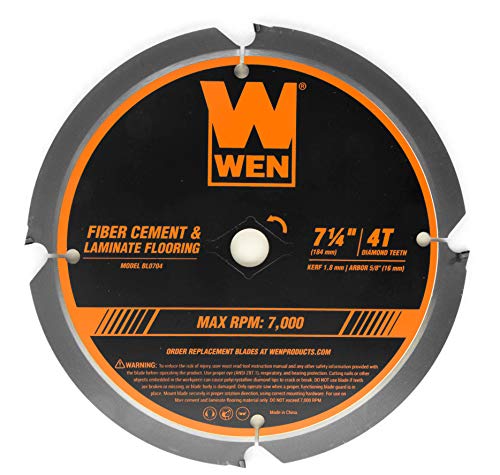
The WEN BL0704 blade features a 7-1/4-inch diameter and a 5/8-inch arbor, rated up to 7000 RPM. Its ultra-thin 1/15-inch kerf (about 1.8 mm) is designed to produce clean, precise cuts through fiber cement and laminate flooring. This blade is well-suited for professionals who need fast, accurate cross-cuts with minimal waste and reduced heat buildup during cutting.
Diablo PergoBlade For Laminate And Wood Flooring

The Diablo D1012LF PergoBlade is a 10-inch blade with 12 teeth, a 5/8-inch arbor, and a thin kerf of .087 inches. It leverages a Polycrystalline Diamond (PCD) tooth and specialized geometry for extended life—claimed to last significantly longer than standard carbide blades. Its design emphasizes smooth performance across laminate, engineered wood, bamboo, and hardwood, with an anti-kickback profile and laser-cut anti-vibration features to stabilize cuts.
Norske Tools NCSBP273 10 Inch 80T Blade

The Norske NCSBP273 combines a 35-degree ATB tooth configuration with micro-grain carbide tips for ultra-smooth edges on melamine, laminates, and laminate flooring. Its laser-cut body includes anti-vibration and expansion slots to reduce noise and vibration, contributing to steadier, more accurate cuts. This blade balances finishing quality with practical durability for frequent laminate tasks.
SKIL 3601-02 Flooring Saw Blade
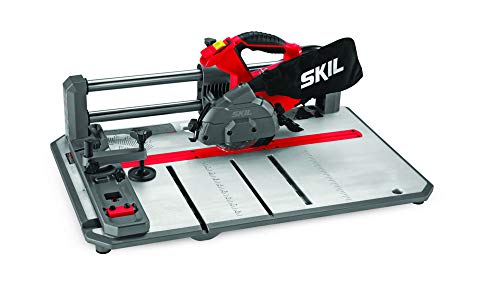
The SKIL 3601-02 blade is designed to work with flooring saws, cutting solid, engineered, and laminate flooring. It supports cross, miter, and rip cutting tasks. The blade is positioned as a lightweight option ideal for transport and on-site versatility, offering dependable performance for a range of flooring installations and edge finishing tasks.
Janchi 10-Inch 6T PCD Tip Blade

The Janchi 10-Inch 6T blade uses a Polycrystalline Diamond (PCD) tipped tooth set to deliver long life and efficient cutting through laminate and fiber cement. Its 2.2 mm ultra-thin kerf and laser-cut body contribute to reduced waste and heat, while anti-vibration slots support smoother operation in dense materials like HardiePlank, Eternit, and Corian associated laminates.
Buying Guide
Key considerations help determine the best blade for your laminate project. Blade diameter and kerf size affect cut speed, dust generation, and material removal. A thinner kerf reduces waste and heat but can be less forgiving on very tough materials. For laminate, blades with carbide or PCD teeth typically offer longer life and cleaner edges, especially under repetitive cuts.
- Tooth geometry: ATB (alternate top bevel) teeth yield smoother edge finishes on laminates; 80T to 12T configurations balance speed and edge quality depending on material hardness.
- Material compatibility: Some blades are optimized for laminate flooring, while others excel at fiber cement or engineered wood. Confirm the blade’s primary application before purchasing.
- Durability features: Anti-vibration design, laser-cut bodies, and expansion slots help minimize wandering cuts, heat buildup, and noise—beneficial on long runs.
- Blade life vs. cost: PCD-tipped blades generally last far longer on hard laminates and cementitious boards but may carry a higher upfront cost. Consider project frequency when choosing.
- Arbor size and compatibility: Most blades use a 5/8-inch arbor, but verify arbor compatibility with your saw to avoid fit issues or the need for adapters.
Safety and Best Practices
Use the correct blade for the material and follow tool manufacturer guidelines. Wear eye and hearing protection, secure long pieces, and unplug power before blade changes. When starting a cut, let the blade reach its cutting speed before guiding the workpiece, and avoid forcing the blade through the material to prevent chipping and kickback.
Performance Considerations Across Scenarios
For standard laminate flooring projects, blades with PCD or carbide-tipped teeth and thin kerfs generally offer best results. If edging or trimming melamine panels is frequent, a blade with a high ATB tooth count and anti-vibration design can reduce chipping and produce smoother finishes. In installations involving fiber cement or HardiePlank, blades engineered for hard composites with excellent heat management help preserve blade life and edge integrity.
Maintenance Tips
Keep blades clean from resin and dust to maintain cutting efficiency. Store blades in a dry, protected area to prevent corrosion. When a blade shows reduced performance, inspect for dull teeth, warping, or buildup and replace as needed to maintain safe and precise cuts.
Final Considerations
Selecting the right blade depends on material type, project scope, and desired edge quality. For laminate flooring, prioritize blades with precise kerf, durable teeth (PCD or advanced carbide), and anti-vibration features. Pair blades with well-tuned tools, and follow best practices to ensure clean, professional results on every cut.