Best Saw for Bamboo Cutting: Top Picks for 2025
Bamboo is a versatile material used in crafts, fencing, and garden projects, but its fibers can snag regular saw blades. This article highlights five top saws designed to cut bamboo cleanly and efficiently, featuring Japanese steel, easy blade interchange, and compact, portable designs for on-site work. Each option lists its key features to help you choose the right tool for your bamboo tasks.
| Product | Brand | Key Feature |
|---|---|---|
| KAKURI Japanese Hand Saw 8-1/4″ Bamboo Cutting | KAKURI | Replaceable blade; bamboo-specific fine teeth |
| KAKURI Japanese Hand Saw Replacement Blade | KAKURI | One-touch blade replacement |
| RUITOOL Japanese Hand Saw 6″ | RUITOOL | SK5 steel; high hardness; precise cuts |
| SUIZAN Flush Cut Saw 5″ | SUIZAN | Pull saw; light and clean edges |
| KAKURI Japanese Pruning Saw Folding 5-1/8″ | KAKURI | Foldable; replaceable blade; bamboo capable |
Note: The selections emphasize bamboo-specific performance, blade longevity, and ease of maintenance. All products are designed to minimize sticking and maximize control when cutting bamboo fibers.
KAKURI Japanese Hand Saw 8-1/4″ Bamboo Cutting

The KAKURI 8-1/4″ Bamboo Cutting hand saw features a special fine-tooth blade designed to cut raw and dry bamboo efficiently without binding. Its replaceable blade design allows quick one-touch blade changes without screws, increasing versatility for different bamboo tasks. A plastic snuggly scabbard is included for storage and carry, and the blade is manufactured from high-grade Japanese steel for durability and sharpness. This tool is especially suitable for pruning and shaping bamboo where precise, clean cuts are essential.
KAKURI Japanese Hand Saw Replacement Blade
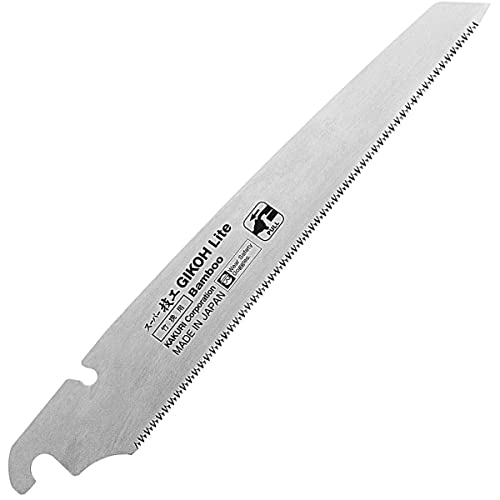
This replacement blade for the KAKURI bamboo saw offers a seamless, screw-free changeover. The blade is crafted for bamboo cutting with a design that reduces fiber snagging, ensuring smooth performance when bamboo fibers resist traditional blades. The blade interchangeability extends the tool’s usefulness, enabling it to serve multiple cutting tasks beyond bamboo with minimal downtime.
RUITOOL Japanese Hand Saw 6 Inch

The RUITOOL 6″ Ryoba pull saw uses SK5 high-carbon steel, offering a durable and flexible blade suitable for bamboo and other woods. The teeth are engineered for precise flush cuts and fine finishes, aided by Japanese processing methods that enhance edge retention. This saw is well-suited for close-quarter bamboo work and detail shaping where control is critical.
SUIZAN Flush Cut Saw 5″

The SUIZAN flush cut saw operates as a traditional Japanese pull saw, offering lighter weight and cleaner edges compared with push saws. Made in Japan from high-quality steel, it is designed for precise bamboo cuts and other woodworking tasks where a thin kerf and minimal wobble are desirable. The pull-cut action minimizes blade resistance and helps avoid fiber tearing.
KAKURI Japanese Pruning Saw Folding 5-1/8″
 Check Price on Amazon
This folding pruning saw from KAKURI combines a Japanese-grade blade with a folding design for safe storage and portable use. It features a replaceable blade system and a two-stage blade angle, enabling work in tight spaces or near walls. The blade is formulated to cut bamboo efficiently while maintaining edge durability, making it a dependable option for bamboo pruning and structural work alike.
Buying Guide
- Blade design and bamboo compatibility: Look for blades with fine teeth or specialized bamboo teeth to reduce snagging and fiber tearing. Japanese-style pull saws typically provide cleaner cuts with less effort on bamboo fibers.
- Blade material and hardness: High-carbon steel and SK5 steel offer good edge retention and durability. Consider blades with corrosion-resistant coatings to extend life in outdoor environments.
- Interchangeable blades and replacements: Tools with replaceable blades save money over time and expand use beyond bamboo. Check ease of blade changes (one-touch mechanisms are ideal).
- Foldable and portable design: Folding or compact saws are practical for fieldwork, ensuring safe transport and easy storage in pockets or tool totes.
- Handle ergonomics: A secure, comfortable grip minimizes fatigue during longer bamboo cutting sessions and improves control on delicate cuts.
- Maintenance and safety: Choose models with protective scabbards or blade covers to protect the blade and user during transport. Keep blades dry and clean to prevent rust.
- Brand reliability and origin: Japanese-made tools are often praised for precision and craftsmanship, though other reputable brands also offer durable options.
When selecting a bamboo-cutting saw, consider the typical project environment (indoor workshop vs. outdoor), the bamboo thickness you usually encounter, and whether you need a dedicated bamboo blade or a general-purpose tool with a bamboo-ready blade. For ongoing bamboo crafts, a setup with a primary saw and at least one replacement blade can improve workflow efficiency and cutting consistency.