Best Sealant for Concrete: Top Picks for 2025
Choosing the right concrete sealant can protect foundations, driveways, and patios from water damage, cracks, and wear. This guide highlights five top-rated sealants that perform well on concrete surfaces, indoors or outdoors. Each option balances adhesion, flexibility, cure time, and weather resistance, so you can select a product that fits your project needs and climate.
| Product | Brand | Key Benefit | Typical Use |
|---|---|---|---|
| DAP Concrete and Mortar Filler and Sealant | DAP | Ready-to-use filler and sealant with low odor | Patching cracks, holes, and sealing interior/exterior concrete |
| Liquid Rubber Basement and Foundation Repair Sealant | Liquid Rubber | Permanent waterproofing membrane with high elongation | Basements, foundations, penetrations, and water-prone areas |
| SIKA Sikaflex Crack Flex Sealant | SIKA | Elastic, textured gray sealant for horizontal cracks | Concrete driveways, sidewalks, and slabs with movement |
| Sika Sikaflex Self Leveling Sealant | SIKA | Self-leveling, waterproof, paintable gray sealant | Expansion joints and horizontal surfaces |
| Siloxa-Tek 8500 Ready To Use Sealer | Ghostshield | Silane/Siloxane penetrating sealer; breathable | Concrete, brick, masonry, pavers; water and salt repellency |
Below you’ll find five detailed product sections, each with a concise overview, key features, and practical notes for installation and performance. All sections adhere to objective, data-driven guidance without personal opinions.
DAP Concrete And Mortar Filler And Sealant

The DAP product combines concrete patch filler with a sealant, designed for cracks and holes in interior or exterior surfaces. It’s ready to use without mixing, offering low odor and simple cleanup with water. The material claims a 24-hour return-to-service time, making it suitable for moderate repair jobs where downtime matters. Its flexibility helps accommodate minor movement in concrete substrates, reducing reseal risk after curing.
Key points: ready-to-use, low odor, interior/exterior use, easy cleanup, fast return to service. For best results, clean and dry the area first, apply in layers if needed, and follow the 24-hour cure guidance before loading the repaired surface.
Liquid Rubber Basement And Foundation Repair Sealant

This foundation sealer provides a waterproof membrane designed for basement waterproofing, foundation leaks, and general moisture barriers. It features high elongation (reported around 900%), allowing it to flex with substrate movement and resist cracking. The product claims compatibility with self-leveling concrete and broad substrate adhesion, including concrete, masonry, wood, metal, and foundation surfaces. It positions itself as part of a complete waterproofing approach rather than a simple surface coating.
Practical notes: ensure surfaces are clean and dry; use in well-ventilated areas; plan for long-term exposure to moisture; curing and application conditions should follow product guidelines, especially in cold or hot climates.
SIKA Sikaflex Crack Flex Sealant

This gray, textured polyurethane sealant is designed to seal concrete cracks and joints on horizontal surfaces such as driveways and sidewalks. It emphasizes elasticity to accommodate movement and prevent tearing, helping maintain a durable seal in areas subject to temperature changes and settling. The texture helps blends with typical concrete finishes, though professional surface prep remains important for optimal adhesion.
Application tips: surface should be clean, dry, and free of standing water; tool into cracks with a caulking gun; smooth for a uniform texture; cure times will vary with temperature and humidity.
SIKA Sikaflex Self Leveling Sealant

This gray polyurethane, self-leveling sealant is crafted for horizontal joints in concrete, such as driveways, garages, sidewalks, and pavements. It cures to a tack-free state relatively quickly and is paintable after full cure, allowing customization to match surrounding finishes. It resists water infiltration after curing and maintains elasticity for long-term joint movement. No special tooling is required beyond a compatible caulking gun.
Considerations: select the self-leveling formula for joints with even surfaces; ensure proper substrate preparation; verify cure times and environmental conditions to align with project schedules.
Siloxa-Tek 8500 Ready To Use Sealer
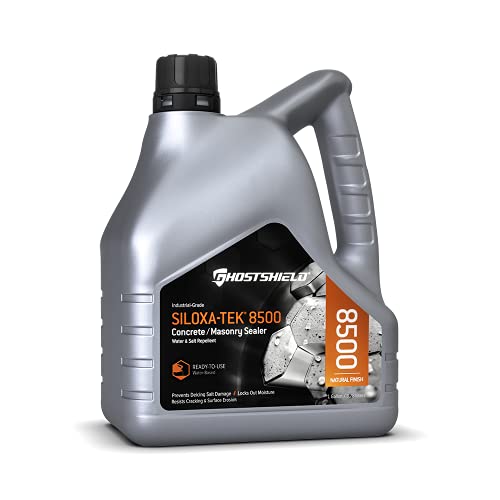
Siloxa-Tek 8500 is a penetrating water-based sealer that uses silane/siloxane chemistry to repel water and de-icing salts without altering the surface appearance. It’s designed to be breathable and non-film forming, which helps prevent peeling or flaking. The product is DOT-approved and aimed at long-term protection against freeze-thaw damage, spalling, and surface degradation. It emphasizes deep penetration rather than surface film formation for durable protection.
Tips: apply to clean, dry surfaces; recoat intervals depend on wear and exposure; test a small area first to confirm color and finish consistency with existing concrete.
Buying Guide: Key Purchase Considerations
When selecting a concrete sealant, consider the following factors to balance protection, aesthetics, and durability:
- Surface type and location: Interior vs exterior, horizontal vs vertical joints, and exposure to freeze-thaw cycles dictate product choice (penetrating sealers vs surface sealants).
- Movement and elasticity: Joints and cracks in concrete move with temperature changes. Higher elasticity reduces crack widening over time.
- Waterproofing vs water repellence: For basements and foundations, waterproof membranes offer stronger water control; for driveways, water repellence with breathability may suffice.
- Appearance and color: Some sealants are clear or naturalLook; others add gray textures to blend with concrete. Self-leveling products are ideal for joints on flat surfaces.
- Cure time and return to service: Quick-drying formulations minimize downtime, but longer cures can yield stronger seals in some formulas.
- Compatiblity and substrate: Ensure adhesion to concrete, masonry, brick, or wood if used at interfaces; pre-cleaning is usually essential for best results.
- VOC content and safety: Low-VOC options reduce odors and indoor air impact; follow ventilation guidelines during application.
- Application method: Some products require caulking guns; others are brush/roller applied or sprayable. Self-leveling formulas simplify even applications on joints.
- Maintenance and reapplication: Some penetrating sealers require reapplication after years, while full membranes may last longer but need proper surface replacement over time.
For best results, evaluate project specifics—climate, anticipated moisture, substrate condition, and whether you need a patch filler combined with sealing. Comparing products by elasticity, coverage per gallon, cure time, and maintenance schedules will help identify the optimal option for your concrete project.