Best Garage Floor Sealer and Coating for Durable, Glossy Finishes
Choosing the right garage floor sealer or coating can protect concrete, enhance color, and extend surface life. This guide highlights five top products designed for garage floors, driveways, and other high-traffic concrete areas. From penetrating sealers to high-build coatings, each option offers different levels of protection, sheen, and durability to fit varied needs and budgets.
| Product | Brand | Key Benefit |
|---|---|---|
| Wet Look Natural Stone Sealer | Black Diamond Stoneworks | Glossy finish with water, oil, and UV resistance |
| 1 Gallon Concrete Sealer | OAIEGSD | Penetrating, water-based protection for indoor/outdoor concrete |
| RockSolid Polycuramine Garage Floor Coating | Rust-Oleum | High-build, durable, fast curing for heavy use |
| 1-Part Epoxy Acrylic Concrete & Garage Floor Paint | KILZ | Resists wear with satin finish on multiple concrete surfaces |
| EpoxyShield Garage Floor Coating Kit | Rust-Oleum | Two-part epoxy with glossy protection for garage floors |
Wet Look Sealer For Stone, Driveways And Garage Floors

The Wet Look Finish provides a rich gloss that enhances color and depth on concrete, pavers, slate, and brick. It’s suitable for indoor or outdoor use, including garage floors. The sealer helps protect surfaces against water, oil, and UV damage while enriching natural tone and texture. Application is flexible, with spray, roller, or brush methods, making it suitable for varying project sizes.
1 Gallon Concrete Sealer, Penetrating Water Sealers

This water-based, penetrating sealer forms a protective barrier that reduces water absorption and guards against moisture. It aims to prevent issues like cracking and freeze-thaw damage, extending the life of driveways, garages, and other concrete surfaces. The product provides invisible surface protection against common stains from oil and chemicals, helping maintain a clean, well-maintained appearance over time.
KILZ 1-Part Epoxy Acrylic Concrete & Garage Floor Paint

Korresponding to garage and basement floors, this 1-part epoxy acrylic formula provides a durable satin finish that resists tire marks, scuffing, cracking, and fading. It’s designed for interior and exterior horizontal surfaces, with recommended use on properly prepared concrete, masonry, stone, or brick. Not intended for vertical surfaces or hydrostatic pressure areas; best suited for residential garages and similar spaces.
RockSolid Polycuramine Garage Floor Coating Kit
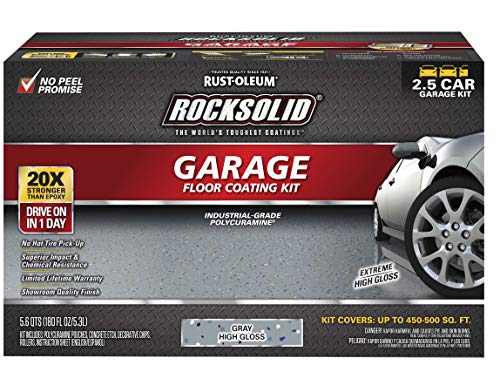
This Rust-Oleum kit delivers a high-gloss, durable surface with a polycuramine formula, noted for being stronger than traditional epoxy and lower odor. The coating is self-leveling and walk-on ready in 8–10 hours, with vehicle readiness in about 24 hours. It’s designed for interior concrete surfaces like garages, workshops, and basements, offering a long-lasting protective layer with a glossy finish.
EpoxyShield Garage Floor Coating Kit
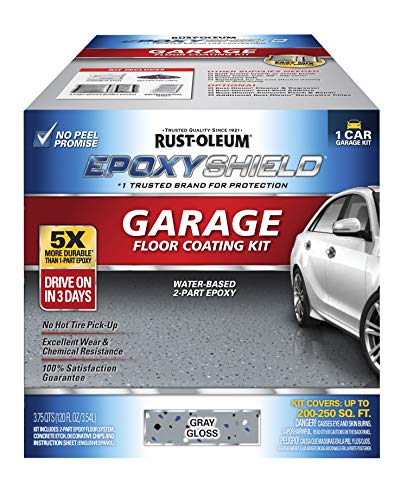
This two-part epoxy coating provides a professional glossy finish with strong concrete protection. It is intended for interior garage floors and similar surfaces, offering a robust barrier against abrasion, stains, and wear. The kit typically includes hardener and resin components, enabling a durable, walk-on-ready surface after curing.
Buying Guide: Key Purchase Considerations
- Surface type and footprint: For heavy-use garages, high-build coatings (polycuramine or two-part epoxy) typically offer longer wear life than penetrating sealers.
- Application and curing times: Some products cure quickly and allow traffic sooner, while others require longer curing periods. Plan around project timelines and weather conditions for outdoor use.
- Gloss level and appearance: Wet-look sealers produce a shiny finish, while penetrating sealers and some paints yield a more matte or satin look. Choose based on aesthetic goals and maintenance needs.
- Protection targets: Consider protection against water, oil, chemicals, and UV exposure. Water-based products are often easier to clean and have lower odors; solvent-based options can offer deeper penetration in some cases.
- Durability and maintenance: Garage floors endure tire traffic, chemical spills, and abrasion. Higher durability coatings may require less frequent reapplication but could be more challenging to apply correctly.
- Indoor vs outdoor use: Indoor garage floors may benefit from low-odor, low-VOC formulas, while exterior surfaces might demand greater UV resistance and moisture protection.
- Preparation requirements: Surface cleaning, etching, and drying times affect final results. Following manufacturer prep instructions is essential for optimum adhesion and longevity.
- Cost and coverage: Compare coverage per gallon and the estimated number of coats. A higher upfront cost can be offset by fewer recoats over time.
- Color and texture options: From clear sealers to pigmented coatings, assessments should consider preferred aesthetics and maintenance needs (easier cleaning with glossy finishes vs. concealing minor imperfections).
- Safety and compatibility: Check for VOC content, pet- and plant-safety, and compatibility with existing flooring or sealants to prevent adverse reactions.
Overall, selecting the right garage floor sealer or coating depends on desired appearance, expected use, and maintenance preferences. Penetrating sealers offer moisture protection with a natural look, while epoxy and polyurea coatings deliver higher durability and a glossy finish suitable for busy garages.