Best Sealer for Terracotta Pots: Top Protectors for Durable, Leak-Free Pots
Terracotta pots add rustic charm to any garden or indoor display, but their porous surface can lead to leaks, staining, or moisture-related wear. The right sealer or protective coating can extend their life, reduce leakage, and keep finishes looking fresh. Below are five top-rated products commonly used to seal terracotta and related pottery, along with practical guidance on choosing the best option for your project.
| Product | Brand | Key Benefit |
|---|---|---|
| Plaid Clay Pot Sealer, 12oz, Clear | Plaid | Prevents leakage; dries in 24 hours |
| Mod Podge Clay Pot Sealer Spray, 12 fl oz | Mod Podge | All-in-one sealer and finish; gloss, indoor/outdoor |
| Flex Seal, 14 oz, Terracotta | Flex Seal | Waterproof rubber spray; flexible, long-lasting |
| Aves FIXIT Multi-Media Repair Compound | Aves | Epoxy repair and sealing; durable, waterproof |
| FHWTY 6 Pack Plastic Plant Pots with Drainage Holes | FHWTY | Plastic pots with built-in drainage; alternative pot sealing context |
Plaid Clay Pot Sealer, 12oz, Clear
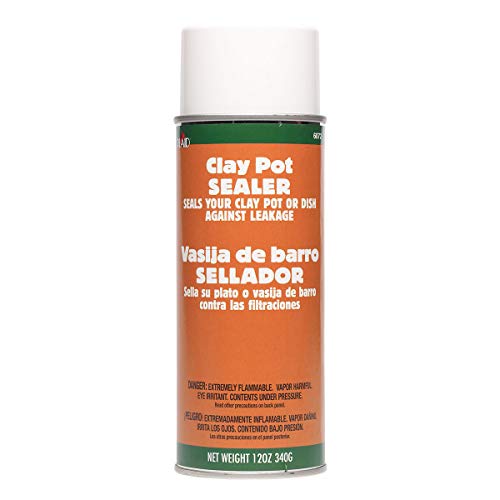
Plaid’s 12-ounce clear sealer is designed for terracotta pots and similar surfaces. It creates a protective barrier that helps prevent leakage through the pot walls and saucers. The product is formulated to dry completely within 24 hours, reducing the risk of smudges or transfer onto surfaces. This sealer is suitable for use on clay pots, saucers, and other porous ceramic vessels, making it a practical choice for indoor planters and outdoor containers alike. For best results, apply in a well-ventilated area and allow full curing time before use.
Mod Podge Clay Pot Sealer Spray

Mod Podge Clay Pot Sealer Spray combines sealing and finishing in a single 12-ounce aerosol can. It delivers a clear, gloss finish that enhances the natural color of terracotta while providing a protective coating. This spray is versatile for both indoor and outdoor projects, and it is convenient for covering irregular shapes or larger batches of pots. Proper ventilation and a light, even application are recommended to minimize drips and ensure a uniform look.
Flex Seal, 14 oz, Terracotta

Flex Seal provides a waterproof rubberized coating that seals leaks quickly. It’s designed to seep into cracks and holes and dries to a flexible, watertight finish. Once cured, it can be painted over to match pot colors. This option is especially useful for terracotta pots with small chips or hairline cracks where a flexible, moldable seal is beneficial. Durability depends on proper surface preparation and multiple thin coats rather than a single heavy application.
Aves FIXIT Multi-Media Repair Compound

FIXIT is a two-part epoxy designed for patching, sealing, and repairing various surfaces, including terracotta and ceramic. Once mixed, it forms a durable, waterproof seal that adheres to metal, wood, ceramic, tile, and more. It’s especially suitable for repairing cracks or voids in pots where water exposure is expected. The compound blends smoothly, can be shaped before curing, and offers a robust, permanent finish when fully cured. Follow mixing ratios and cure times for optimal results.
FHWTY 6 Pack Plastic Plant Pots with Drainage Holes

While not a sealer, these plastic plant pots with drainage holes provide a non-porous alternative to terracotta. For sealing projects, they can be used to compare coatings or as a temporary housing for plants while terracotta pots are sealed and dried. The built-in drainage helps manage excess moisture, reducing the risk of water damage to indoor surfaces. Consider pairing plastic pots with seals designed for porous materials when transplanting or repotting.
Buying Guide: Key Purchase Considerations
- Porosity and surface compatibility: Terracotta is highly porous, so choose sealers specifically formulated for ceramic or terracotta to ensure proper adhesion and breathability. Non-porous plastics may not require traditional ceramic sealants.
- Finish and appearance: Decide between clear, glossy coatings that enhance color and texture, or matte finishes that maintain a natural look. Some sprays provide a shiny finish that may change the pot’s appearance.
- Cure time and odor: Review drying or curing times and ventilation needs. Some products require 24 hours or longer and strong ventilation due to solvents.
- Indoor vs outdoor use: If pots sit outdoors, select sealers rated for weather exposure, UV resistance, and temperature ranges to prevent cracking or peeling.
- Repair vs sealing: For damaged pots with cracks, consider epoxy repair compounds for a robust, long-lasting seal. For simple leakage prevention, dedicated pot sealers or sprays may suffice.
- Application method: Spray coatings offer quick coverage for multiple pots, while brush-on or putty-like formulations can target specific cracks or joints with precision.
- Safety and disposal: Follow manufacturer safety instructions, including wearing gloves and working in a ventilated area. Properly dispose of curing remnants per local guidelines.
Comparative Perspectives
- Ease of use: Sprays and ready-to-use sealants provide rapid coverage, while epoxy compounds require mixing and curing time but yield stronger, more permanent seals.
- Durability: Rubberized coatings and epoxies generally offer higher durability for outdoor use, while clear sealers are well-suited for indoor decorative pots.
- Maintenance: Some finishes are repaintable after curing; others are not. Consider whether you want the option to refresh the look without removing the seal.
- Cost considerations: While all options vary, sprays and clear sealers tend to be budget-friendly for multiple pots, whereas epoxy compounds may be pricier but offer superior repair strength.