Best Siding for a Camper: Durable Camper Exterior Panels and Panels to Consider
When choosing camper siding, prioritize panels that are lightweight, weather resistant, and easy to install. This guide highlights five top options that suit typical camper projects, from RV exteriors to food trucks and dry vans. The best picks balance durability with ease of use, helping you reduce seams and simplify maintenance. Suitable buyers include DIY RV refurbishers, small trailer owners, and commercial vendors upgrading mobile service fleets. Below is a quick comparison to help you decide.
Product Snapshot
- Blulu Aluminum Trailer Siding Sheets (4 x 8 ft) – White aluminum paneling, 0.032″ thick, 49″ x 96″. Best for large wall sections on RVs and campers.
- Tough Grade Arctic White RV Fiberglass Sidewall (5 ft) – Fiberglass, durable, dent-resistant, arctic white finish. Good for exterior walls requiring flexibility.
- Woanger RV Fiberglass Roofing Sheet Siding Panel Roll (8 ft x 4 ft) – 0.06″ thickness, white, ideal for roofs and walls with a single-piece sheet.
- Blulu Aluminum Plate Sheet (24″ x 120″) – 0.032″ thick, 2 x 10 ft equivalent, white aluminum, versatile for walls and van siding.
- Blulu Aluminum Plate Sheet (12″ x 120″) – 0.032″ thick, 1 x 10 ft piece, good for smaller sections and trim on campers.
Blulu 4 x 8 ft Aluminum Trailer Siding Panels

Material and size: 0.032 inch thick aluminum, 96″ long by 49″ wide, made from 1060 aluminum for durability. White finish provides a clean exterior suitable for RVs and campers. The sheet is designed with metric tolerances for a snug fit in a single-panel installation where possible.
Best for: Large camper walls and enclosed trailers where fewer seams are preferred. Ideal for DIYers seeking a lightweight exterior that resists corrosion.
Why selected: Combines broad coverage with straightforward handling and compatibility with standard RV framing. The white aluminum finish offers a simple aesthetic that works with many color schemes.
Caution: Metal edges can be sharp; wear protective gloves during cutting and handling. Ensure proper fastener compatibility with your trailer framing to avoid over-tightening.
Tough Grade Arctic White RV Fiberglass Sidewall (5 Foot)

Material and finish: Durable fiberglass paneling with an arctic white finish. Reinforced with fiberglass mesh for strength and flexibility, resisting dents and cracks. Surface features a protective embossed film to prevent scratches during transport and installation.
Best for: Exterior walls where a flexible, impact-resistant surface is preferred and a bright white look is desired. Suitable for campers, RVs, and food-truck trailers needing a high-gloss exterior finish.
Why selected: The combination of dent resistance, lightweight handling, and protective film makes it practical for frequent outdoor use and long-term exposure.
Caution: Fiberglass panels may require careful cutting and sealing at edges to ensure weather-tight installation. Confirm compatibility with existing trim and sealants on your camper.
Woanger RV Fiberglass Roofing Sheet Siding Panel Roll

Dimensions and material: 8 ft by 4 ft sheet, 0.06″ thick fiberglass, white color. Roll format offers a unified surface ideal for roofs and walls, reducing seams and potential leak points.
Best for: Roofing and wall repairs where a single large panel minimizes seams and simplifies installation on campers and trailers.
Why selected: The thicker fiberglass provides good rigidity and weather resistance. Protective film aids handling during transport and installation.
Caution: Roll formats can be heavier to move and may require more precise planning to align with roof contours. Check edge detailing for proper sealing on irregular shapes.
Blulu 24″ X 120″ Aluminum Plate Sheet
Material and size: 0.032″ thick aluminum, 24″ wide by 120″ long, white finish, 1060 aluminum for durability. Provides a compact option for mid-size siding repairs or paneling sections on campers.
Best for: Smaller Camper siding sections, door skins, or trim where a lighter piece is needed without joining multiple panels.
Why selected: The 2×10 equivalent length reduces seams in narrower exterior areas, simplifying installation for DIY projects.
Caution: Limited width means more seams on larger surfaces; plan accordingly to minimize visible joints and potential leak points.
Blulu 12″ X120″ Aluminum Plate Sheet
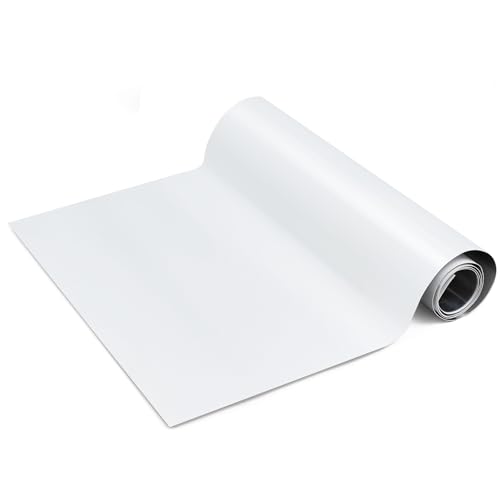
Material and size: 0.032″ thick aluminum, 12″ wide by 120″ long, white finish, 1060 aluminum. Suitable for long, narrow siding strips and edge trim on campers and RVs.
Best for: Edge trim, small panels, or intricate sections where longer, narrow strips are advantageous.
Why selected: The narrow width allows precise fitting for curved surfaces or tight corners, reducing waste on custom builds.
Caution: Narrow sheets may require more fasteners and careful sealing to ensure watertight joints on curved surfaces.
Buying Guide: Siding For A Camper
- Material choice: Aluminum panels are lightweight and corrosion-resistant, fiberglass panels offer flexibility and dent resistance, and combination options suit varied climates and usage.
- Panel size and seams: Fewer seams generally means easier maintenance and better weather resistance. Large panels reduce labor but may require more precise handling.
- Finish and color: White and light-colored finishes reflect heat and simplify maintenance but consider fading resistance and UV exposure over time.
- Durability vs. weight: Heavier fiberglass panels can provide impact resistance but may require different mounting hardware compared to thin aluminum sheets.
- Installation considerations: Plan for fasteners, sealants, edge trims, and potential pre-priming or painting as part of the project scope.
- Cutting and handling: Use proper tools for metal or fiberglass; wear protective gear to prevent injuries from sharp edges and dust.
- Budget and availability: Aluminum is typically more affordable and readily available; fiberglass panels can be pricier but offer flexibility in complex shapes.
Frequently Asked Questions
- What is the best material for camper siding?
Aluminum siding is a common balance of light weight and durability, while fiberglass offers dent resistance and flexibility for irregular surfaces.
- Can I install siding panels by myself?
Yes, with proper tools, sealants, and guidance. Follow manufacturer instructions, measure carefully, and plan for seam placement.
- How do I prevent leaks at joints?
Use appropriate sealants, gaskets, and edge trims. Ensure seams are clean, dry, and properly overlapped to shed water.
- Are larger panels better than smaller ones?
Typically, larger panels reduce seams, but require careful handling and accurate cutting to fit irregularities on the camper.
- What maintenance does camper siding require?
Regular cleaning, inspection for dents or scratches, resealing joints, and addressing any corrosion or damage promptly.
- Do these panels fit all camper models?
Panels come in standard sizes; verify dimensions against your camper’s exterior openings and mounting framework before ordering.