Best Single Stage Air Compressor: Top Picks for Home and Shop Use
Finding the right single-stage air compressor means balancing capacity, durability, and noise level for your projects. This guide highlights five top-performing single-stage models that deliver solid CFM at practical pressure, with durable builds suited for home garages and small shops. Each model below includes key specs and features to help you compare reliability, longevity, and value at a glance.
Summary of featured models:
| Product | Brand | Tank Size | Max PSI | Air Delivery (CFM) |
|---|---|---|---|---|
| Klutch 60-Gallon Single-Stage | Klutch | 60 Gallon | 135 | 9.3 CFM @ 90 PSI |
| DEWALT 80 Gallon Vertical | DEWALT | 80 Gallon | 155 | 16.1 CFM @ 40 PSI; 14.1 CFM @ 90 PSI |
| CAMPBELL HAUSFELD 80 Gallon | Campbell Hausfeld | 80 Gallon | 140 | 16.0 CFM @ 90 PSI |
| VEVOR 3HP 11 CFM Twin | VEVOR | — | 116 | 11 CFM @ 90 PSI |
| NorthStar 2 HP 20-Gallon | NorthStar | 20 Gallon | — | 5.0 CFM @ 90 PSI |
Klutch 60-Gallon Single-Stage Vertical Air Compressor
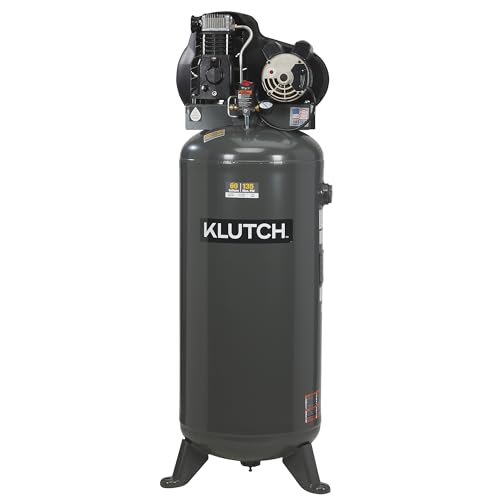
The Klutch model pairs a 60-gallon vertical tank with a robust 3.7 HP dual-induction motor, delivering 9.3 CFM at 90 PSI and a maximum of 135 PSI. It uses an oil-lubricated cast iron single-stage pump with stainless steel valves for longevity and reliable operation under continuous use. This setup is well-suited for framing, nailing, and mid-size pneumatic tasks in home shops. Noise levels are typical for a larger-capacity unit, and the vertical tank design helps conserve floor space in tighter work environments.
DEWALT 80 Gallon Vertical Air Compressor

DEWALT’s 80-gallon vertical unit emphasizes high-volume performance with a 4.7 HP motor. It delivers 16.1 CFM at 40 PSI and 14.1 CFM at 90 PSI, enough to power framing guns, impact w machineries, and spray equipment. The oil-lubricated system extends pump life, while the large ASME tank provides durability for shop-duty tasks. A relatively quiet operation—around 62 dB—helps maintain a calmer workspace, making it a strong candidate for garages that double as small workshops.
CAMPBELL HAUSFELD 80 Gallon Vertical Air Compressor
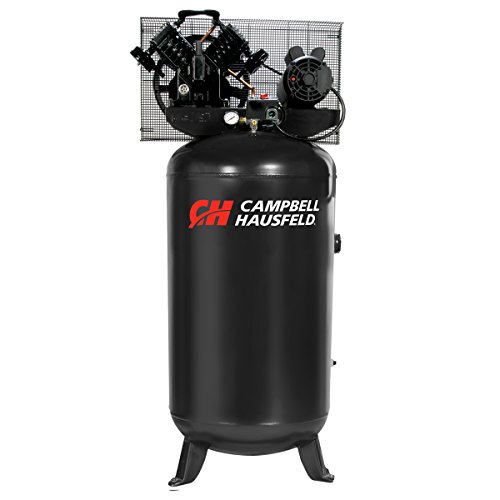
Campbell Hausfeld presents an 80-gallon, single-stage unit powered by a 5 HP motor that yields up to 140 PSI, with 16.0 CFM at 90 PSI. Its two-cylinder cast iron pump emphasizes durability for heavy-duty applications, including woodworking and high-demand air tools. The vertical design optimizes shop footprint, and the robust build favors longer life in busy environments where compressors cycle frequently.
VEVOR 3HP Twin-Cylinder Single-Stage

VEVOR’s 3HP unit features a twin-cylinder, single-stage pump head that delivers up to 11 CFM at 90 PSI with a maximum working pressure of 116 PSI. The pump uses a cast iron crankcase and an aluminum head and valve plate for improved heat dissipation and durability. This option is practical for users needing a compact, steady air supply for smaller workflow needs, tire inflation, and spray projects without a massive footprint.
NorthStar 2 HP 20-Gallon Portable

NorthStar’s smaller footprint option offers a 20-gallon vertical tank with a 2 HP induction motor. It delivers approximately 5.0 CFM at 90 PSI and 6.0 CFM at 40 PSI, making it ideal for light-duty projects, hobby work, and small air tools. While not designed for heavy continuous use, its portability and lower initial cost can appeal to casual users or hobbyists seeking a compact single-stage compressor.
Buying Guide: Key Purchase Considerations for Single-Stage Air Compressors
When selecting a single-stage air compressor, consider tank size, maximum PSI, and CFM at working pressures relevant to your tools. A larger tank helps stabilize pressure during bursts, reducing motor startup frequency and heat buildup. For framing guns, pneumatic staplers, and spray guns, aim for at least 14–16 CFM at 90 PSI. For light-duty tasks, smaller tanks with 5–8 CFM can suffice.
Durability and maintenance are critical. Oil-lubricated pumps typically last longer in demanding use, while oil-free designs offer lower upkeep but may wear faster in continuous cycles. A cast iron pump or crankcase generally indicates robust longevity. Consider the motor size (HP) in relation to your expected duty cycle—higher horsepower supports higher CFM and PSI but can increase energy use and noise.
Tank design matters for space and placement. Vertical tanks save floor space in tight shops, while horizontal tanks may fit more easily in some layouts. Noise levels vary widely; in shared spaces, units around 60–65 dB are preferable. Portability is a factor for occasional use; smaller, lighter units with wheels reduce handling effort.
Maintenance features to note include drain valves, oil sight windows, and accessibility of service parts. A reliable warranty and readily available replacement parts can reduce total ownership costs. Energy efficiency and startup behavior (unloaded running versus loaded operation) influence long-term operating costs and comfort in the workspace.
Finally, assess compatibility with your tools and accessories. Ensure the included fittings, compatibility with standard hoses, and the availability of compatible pumps and heads for future upgrades. By weighing tank size, airflow, durability, footprint, and noise, you can choose a model that best matches your project mix and workspace conditions.