Best Soundproof Padding for Doors to Quiet a Room Effectively
Answering the need for door-ready soundproof padding, these products are chosen to reduce echo, block outside noise, and protect door surfaces. They suit home offices, bedrooms, studios, and rooms where privacy or quiet is a priority. The top picks vary from self-adhesive foam tiles to door blankets, offering options for DIY installation and temporary setups. The buyers most likely seeking easy installs will favor self-adhesive panels, while those wanting stronger blocking may prefer door blankets or thicker felt panels.
| Product | Best For | Key Benefit |
|---|---|---|
| Woovio Sound Proof Foam Panels | Home offices, studios, bedrooms | High NRC up to 0.92 with self-adhesive backing |
| Soundsbay 12 Pack Foam Panels | Wall, door, or ceiling treatment | High-density polyester with NRC 0.92 |
| Kaqiluo High Density Acoustic Foam | Constrained spaces needing flexible fit | 50+ kg/m³ density for better absorption |
| WVOVW 6 Pack Acoustic Foam | Budget-friendly, easy DIY | 1.5 inch thick egg-crate design |
| KWKHCD Soundproof Blanket For Doors | Temporary or portable room quieting | Heavy-duty door curtain with grommets |
Woovio Sound Proof Foam Panels for Walls
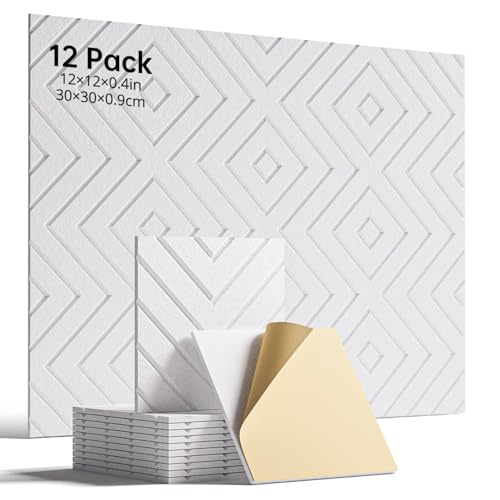
Brand: Woovio | Size: 12″ x 12″ x 0.4″ | Material: 100% high-density polyester fiber | NRC: up to 0.92
- Best for: Small to mid-sized rooms needing quick, low-profile sound absorption on doors or walls.
- Why selected: Self-adhesive installation makes it simple to apply to doors without tools, while high-density fiber helps dampen both high and low-frequency noise.
- Limitation: Adhesive backing can be less durable on highly textured surfaces or over time on some finishes.
Soundsbay 12 Pack Self-Adhesive Foam Panels

Brand: Soundsbay | Size: 12″ x 12″ x 0.4″ | Material: 150 kg/m³ high-density polyester fiber | NRC: 0.92
- Best for: Rooms where a decorative wall treatment doubles as acoustic treatment.
- Why selected: High NRC and dense fiber offer solid noise absorption; suitable for walls or doors in studios or home theaters.
- Limitation: Self-adhesive backing can fail on oily or very clean glossy surfaces unless prepped.
Kaqiluo High Density Acoustic Foam
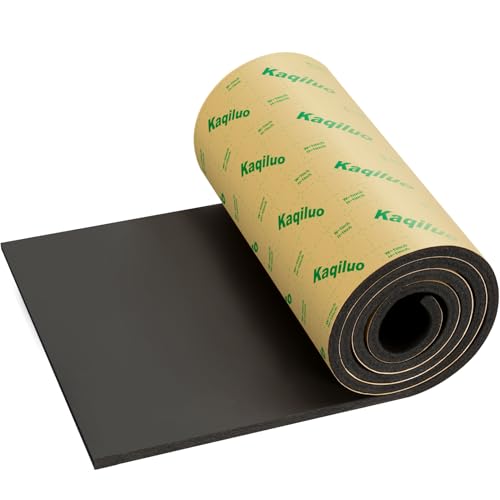
Brand: Kaqiluo | Size: 0.4 inch thick, 5.8 sq ft total | Density: >50 kg/m³ | Fire/Water Resistant
- Best for: Small rooms needing compact foam with strong absorption and moisture resistance.
- Why selected: Higher density improves noise reduction and flutter echo control, with claimed flame and water resistance.
- Limitation: 0.4 inch thickness may be less effective for very loud rooms; consider thicker panels if space allows.
WVOVW 6 Pack Acoustic Foam Panels

Brand: WVOVW | Size: 1.5″ x 12″ x 12″ | Design: Egg Crate | Finish: Fire-retardant, non-toxic
- Best for: Rooms needing higher thickness for robust sound dampening and wall padding to prevent door dings.
- Why selected: Egg crate shape increases surface area for absorption; 1.5 inch thickness balances effectiveness and ease of installation.
- Limitation: Thickness can be more visible and require careful placement to avoid door clearance issues.
KWKHCD Soundproof Blanket For Doors

Brand: KWKHCD | Type: Heavy-duty acoustic door blanket | Weight: 10 lb | Installation: Grommets and hook-and-loop options
- Best for: Temporary soundproofing, travel studios, or apartments requiring flexible setup without permanent mounting.
- Why selected: The door blanket provides substantial sound dampening and quick installation without drilling.
- Limitation: Bulkier than panels; may alter door operation or clearance if not sized correctly.
Buying Guide: Key Considerations For Door Soundproof Padding
What should you consider when choosing door soundproof padding? Factor thickness, density, NRC value, installation method, and room usage. Self-adhesive panels are best for quick, tool-free setups, while thicker, denser materials deliver stronger noise reduction. For doors used often, consider a combination of panels for edges and a door blanket for full coverage.
How much space do you have on the door? Slim, 0.4-inch panels work well for interior doors where clearance is tight. If you’re addressing low-frequency noise or larger rooms, thicker options (like 1.5 inches) can reduce reverb more effectively, especially when paired with ceiling or wall treatments.
Is the surface suitable for adhesive? Test a small area first. Some finishes may require a cleaning prep or a primer to improve grip. For risk-averse setups or rental properties, door blankets or clips can offer reversible options without residue.
What environment will the treatment endure? Fire retardant materials add safety in studios or bedrooms. Water resistance helps in damp basements or shared spaces. Choose products with non-toxic materials for nurseries, homes with kids, or pet spaces.
Comparison Snapshot: Quick, Practical Picks
- Best for quick setup: Woovio panels or Soundsbay self-adhesive panels.
- Best for edge-to-edge door coverage: KWKHCD door blanket.
- Best for high-density absorption: Kaqiluo with dense foam, WVOVW 1.5″ panels.
- Best for decorative acoustics with moderate noise reduction: TroyStudio options (if included in future picks).
FAQ
- Q: Do these panels work on doors only, or walls too? A: They work on both; most are designed for walls, ceilings, and doors depending on the product.
- Q: Will adhesive damage painted doors? A: Generally not, but prep a small test patch and consider washing the surface to improve adhesion; for rental properties, use door blankets or removable fastening methods.
- Q: What NRC rating indicates better performance? A: Higher NRC (Noise Reduction Coefficient) values indicate better absorption. Most listed products hover around 0.92, which is strong for typical home rooms.
- Q: Is thickness important for door applications? A: Yes. Thicker panels dampen more low-frequency noise, but may require more effort to install and impact door clearance.
- Q: Can I mix different brands? A: Yes, mixing can tailor acoustic performance across a room, but ensure compatibility with installation methods and avoid overloading any single surface.
- Q: Are these materials safe for households with children or pets? A: Most products use non-toxic materials and fire-retardant options are available; always check the product’s safety data and use in accordance with manufacturer guidelines.