Best Texture Rollers for Drywall for Professional-Looking Finishes
Discover top texture rollers that deliver consistent patterns, faster coverage, and DIY-friendly operation for drywall projects. The following selections emphasize deep patterns, reliable performance, and versatile use across walls and ceilings. Each option below is suitable for creating crow’s foot, basket weave, and other decorative textures with minimal training.
| Product | Brand | Key Feature |
|---|---|---|
| 9-inch Crow’s Foot Pattern Wall & Ceiling Roller | Stitokg | Deep crow’s foot texture, high-adhesion, wide 9-inch coverage |
| DW180 Decorative Texture Roller | Kraft Tool | American-made texture roller, durable construction |
| ROLLINGDOG 9″ Drywall Compound Roller | ROLLINGDOG | Heavy-duty, excellent compound distribution, precise nap |
| Nichiyo 7” Texture Roller | Nichiyo | Durable rubber roller for negative imprinting and decorative patterns |
| Texture Pattern Roller For Decorative Paint | ALL-WALL EQUIPMENT | Basket weave style, matches repairs and remodeling textures |
1) 9-inch Crow’s Foot Pattern Wall & Ceiling Special Textured Roller
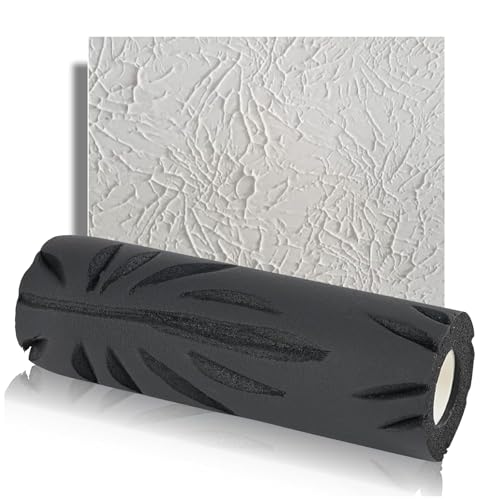
Features include a 9-inch width designed for speed and precision, creating deep crow’s foot textures for walls and ceilings. The ergonomic design supports easy, even texture distribution, making it suitable for DIY projects, beginners, and professionals alike. This roller aims to save time while delivering salon-quality finishes comparable to professional work.
2) Kraft Tool DW180 Decorative Texture Roller, Crow’s Foot
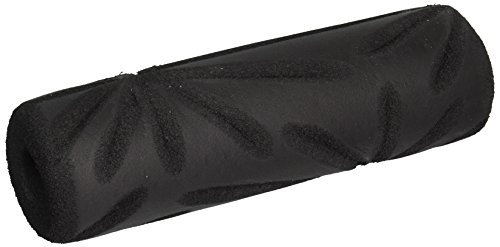
Designed for crow’s foot textures, this roller is a United States–made option built for durability. Its model number DW180 and compact dimensions reflect a focus on reliable performance for textured wall and ceiling projects. The product emphasizes sturdy construction suitable for repeated use on various drywall textures.
3) ROLLINGDOG 9″ Drywall Compound Roller Cover

This heavy-duty 9″ roller cover is designed to spread drywall compound quickly and evenly, with a synthetic nap resilient to wear. It offers excellent coverage, maintaining shape and effectiveness after multiple uses, and is optimized for uniform distribution of compound to achieve a professional finish.
4) Nichiyo 7” Texture Roller
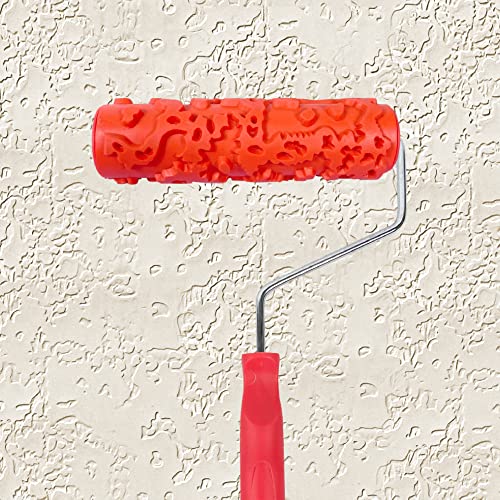
Made with durable rubber, this roller supports negative imprinting techniques to print patterns onto wet materials. It’s suitable for walls, furniture, and floors, and pairs well with textures from plaster and glazes to chalk-based paints and texture mediums, enabling flexible DIY decoration with durable results.
5) ALL-WALL EQUIPMENT Texture Pattern Roller

Basket weave style texture roller designed to match texture patterns for repairs, remodels, and decorative panels. It uses a foam rubber texture roller cover compatible with standard 9″ cages, enabling consistent application of drywall mud while allowing quick pattern matching for various design schemes.
Buying Guide: Texture Rollers For Drywall
Key considerations when selecting a drywall texture roller:
- Texture pattern type: Decide whether you want crow’s foot, basket weave, or another pattern. Different rollers are optimized for specific textures and may perform best with particular mud or texture mediums.
- Roller width and nap: Wider rollers cover more area and speed up larger rooms, but may sacrifice edge control. Nap length and material affect how well texture holds and distributes; choose based on desired finish and mud consistency.
- Compatibility with texture mediums: Some rollers work best with premixed texture compounds, plaster, or joint compound. Verify compatibility to avoid pattern distortion or tool wear.
- Durability and build: For frequent use, select rollers with durable cores, robust frames, and high-quality nap or rubber materials to maintain pattern integrity over time.
- Ergonomics: A comfortable handle and balanced weight help reduce fatigue on larger projects, particularly ceilings or multiple rooms.
- Maintenance: Look for rollers that are easy to clean and resist cracking or shedding. Reusable components save time and money on longer projects.
- Versatility: Some 9″ rollers can be used with multiple textures, while 7″ options may offer more control for intricate rooms or tight spaces.
Texture roller performance can vary with application technique. For best results, maintain even pressure, roll over a consistent compound thickness, and allow recommended drying times before applying additional coats or finishes. It is common to test texture patterns on a scrap section before proceeding to larger areas to confirm the final look.