Best Thread Sealer for Gas Lines: Top PTFE Tapes and Sealants
Answer: For reliable gas line sealing, choose high-density PTFE thread seal tapes and non-hardening sealants designed for natural gas, propane, and other fuels. The top picks below are best for professional plumbers and DIY homeowners who need leak-proof connections and durable performance in varying temperatures. Each product section explains who it’s best for and why it was selected, plus a practical caveat where applicable.
Summary table of selected products
| Product | Best For | Why It Stands Out |
|---|---|---|
| Harvey 017065 Gas Line PTFE Thread Seal Tape | Residential gas piping and mixed-use installations | Full-density PTFE tape; yellow color signals gas suitability; heavy-duty for leakproof seals |
| Gasoila PTFE Thread Seal Tape (1/4″ x 260″) | Gas lines, water pipes, and HVAC where non-toxic tape is needed | High-density PTFE; non-toxic; versatile with many materials |
| Gasoila Yellow PTFE Tape (1/2″ x 260″) | Gas lines and high-pressure threaded connections | Premium leak-proof, high-density PTFE; chemical and corrosion resistant |
| TAPEWELL Yellow Gas Tape (260″) | Propane, natural gas, and home plumbing projects | Distinct yellow color for visibility; easy application; durable seal |
| Pangda 8 Rolls Extra-Wide 3/4″ Tape | Large projects with bigger joints or bulk needs | 3/4″ width, 4 mil thick; high tensile strength; versatile with various metals and plastics |
Harvey 017065 Gas Line PTFE Thread Seal Tape
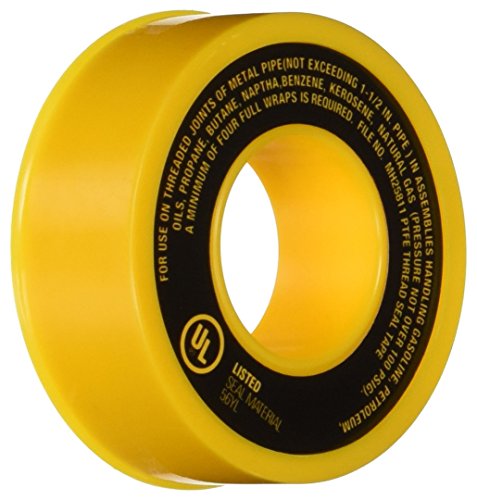
Brand: Harvey
Features: Yellow gas line thread seal tape with PTFE; Extra heavy; full density PTFE tape especially for gas lines; Recommended leakproof sealant for lines carrying natural gas, propane, butane; and water, oil, and chemical installations.
Best for: Homeowners and professionals sealing gas line threads in residential or light commercial settings where a visible, heavy-duty PTFE tape is advantageous. Why selected: It emphasizes a full-density PTFE composition aimed at leak prevention in gas lines, which is a primary concern for gas piping installations. Caution: Ensure wraps are properly applied without overfilling threads, which can affect seating of fittings.
Gasoila Thread Sealant for Ethanol E10 & E85 Applications

Brand: Gasoila
Features: Formulated for Ethanol Blends (E10 & E85); non-hardening, non-toxic; stays pliable in cold temperatures; versatile with brass, copper, stainless steel, aluminum, black pipe, tin, galvanized pipe; temperature range roughly 100 to 600 degrees.
Best for: Fuel lines and fittings that involve ethanol blends and varied material types. Why selected: Non-hardening and pliable formula accommodates temperature shifts and ethanol exposure common in fuel systems. Caution: Verify compatibility with your specific pipe materials and fittings before use.
Gasoila Yellow PTFE Thread Seal Tape (1/2″ x 260″)

Brand: Gasoila
Features: Premium leak-proof seal; high-density PTFE; chemical and corrosion resistant; suitable for gas, water, and air systems; easy application for quick installations.
Best for: Projects requiring strong, durable seals on threaded connections in gas systems. Why selected: High-density PTFE tape designed to resist leaks and chemical exposure. Caution: Use the correct wrap direction and number of turns to avoid over-application.
TAPEWELL Yellow Gas Pipe Thread Sealant Tape (260″)

Brand: TAPEWELL
Features: Easy application; durable seal; yellow color for gas compatibility; 260″ length; 1/2″ width.
Best for: DIY projects and professional work requiring visible, gas-specific tape. Why selected: Distinct color helps ensure proper use on gas lines and easier inspection. Caution: Check thread sizes to avoid waste from too-wide tape on small fittings.
Pangda 8 Rolls Extra-Wide Gas Tape

Brand: Pangda
Features: 8 rolls; 3/4 inch width; 390 inch length; 4 mil thickness; high-density PTFE; suitable for gas lines, natural gas and propane; compatible with varied materials including copper and stainless steel.
Best for: Bulk projects or larger jobs with multiple joints; ideal when longevity and wider tape are beneficial. Why selected: Bulk sizing reduces replacement frequency for ongoing projects. Caution: Bigger tape may be less precise for small fittings; measure joint size before use.
Buying Guide
What to choose for gas lines: tape or paste?
For most gas-line threaded connections, high-density PTFE tapes (tape) are a quick and reliable option. Paste or sealant products may be preferred when manual accessibility is limited or when a non-hardening, pliable seal is needed across varied temperatures and materials.
Key considerations when selecting thread sealers
- Gas compatibility: Look for yellow PTFE tape or products explicitly marketed for gas lines to ensure proper signaling and performance.
- Material compatibility: Ensure the product works with your pipe materials (copper, brass, stainless steel, PVC, etc.).
- Temperature and chemical exposure: Choose sealants with appropriate temperature ratings and chemical resistance for the intended environment.
- Application method: Tape should be wrapped in the correct direction (toward the fitting) and with the right number of turns to avoid leakage or binding.
- Bulk needs: For larger projects, bulk rolls can reduce replacement frequency and simplify stock management.
Practical tips for best results
- Clean threads before applying tape or sealant to maximize adhesion and seal integrity.
- Wrap tape evenly, leaving the first thread exposed to prevent shredding and gaps.
- Avoid over-tightening; it can damage fittings and lead to leaks despite proper sealing.
- Inspect joints after pressure testing and follow local codes for leak checks.
Who should buy these products?
- Homeowners tackling DIY gas line projects: choose user-friendly, visible yellow PTFE tapes and bulk Pangda sets for ongoing maintenance.
- Professional plumbers: rely on high-density tapes from Harvey or Gasoila for dependable seals on various materials and temperatures.
- Industrial or multi-site installations: bulk options like Pangda provide cost efficiency and scalable supply.
Common questions
- Can I use PTFE tape on all gas fittings? Most common gas fittings can use PTFE tape, especially where manufacturer guidance supports it. Always verify with local codes.
- Is non-toxic tape necessary for gas lines? Non-toxic formulations are preferred for fuel-line work to minimize hazard during installation.
- Should I use sealant paste instead of tape? Paste/sealant is useful for stubborn threads or unusual materials; tape remains the go-to for standard gas connections.
- What if a leak appears after installation? Recheck the thread wrapping, materials compatibility, and consult local codes before re-sealing.
- Are yellow tapes universally for gas lines? Yellow signaling is common for gas applications, but always confirm with the product’s intended use.
- How many wraps are needed? Typical practice is 2-4 wraps for small to medium joints; refer to manufacturer recommendations for larger joints.
FAQ
- What is the main advantage of PTFE thread seal tape for gas lines? It provides a tight, leak-proof seal with resistance to high pressures and temperatures when applied correctly.
- Can I use PTFE tape with ethanol-blend fuels like E10 or E85? Some Gasoila products are designed for ethanol blends, but verify product compatibility for your specific fuel type.
- Is non-hardening better for cold environments? Yes, non-hardening formulas stay pliable and seal better under cold conditions.
- Do tapes work for all pipe materials? Most tapes work with brass, copper, stainless steel, and certain plastics; check the product guidelines for specific materials.
- When should I replace a tape after initial sealing? If leaks persist after proper installation, replace with a new segment following the same wrapping procedure.
- What should I do if I’m unsure about a joint? When in doubt, consult a licensed plumber and follow local safety codes for gas installations.