Best Tools for Cutting Thick Rubber and Dense Materials
When working with thick rubber and other dense materials, a dedicated cutting instrument can dramatically improve speed, accuracy, and safety. The following five tools are among the most capable options for contractors, hobbyists, and DIY enthusiasts tackling rubber, hoses, PEX, and related substrates. Each entry includes an at-a-glance snapshot and practical usage notes to help you choose the right tool for your job.
Summary of chosen products
| Product | Brand | Key Use | Image |
|---|---|---|---|
| Ronan Multi-Cut Industrial Cutter | Ronan | Thick rubber, plastic, wood, leather; replaceable blades |  |
| Ronan Multi-Cut 401 Cutting Tool | Ronan | Thick plastics, rubber, hoses, wood, linoleum | 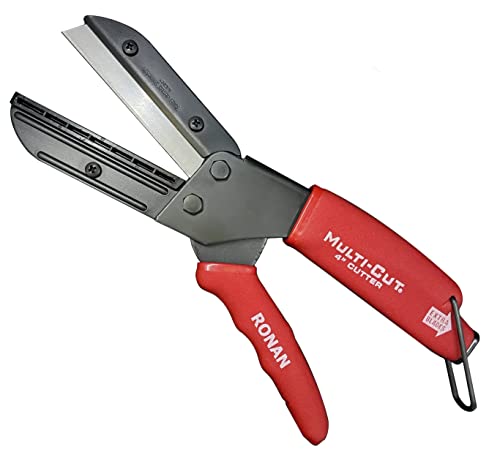 |
| RONAN Multi-Cut Quick Change Utility Cutter | Ronan | Multipurpose cuts including rubber, leather, carpet |  |
| Goldblatt Stainless Steel Roofing & Flooring Knife | Goldblatt | Linoleum, carpet, vinyl, wallpaper; heavy-duty trim | 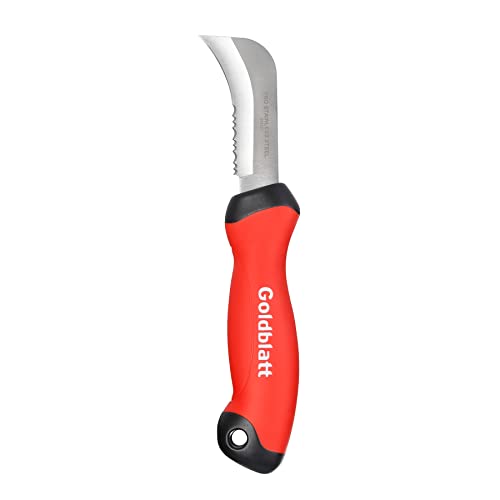 |
| SEESII Reciprocating Saw Cordless | Seesii | Cutting wood, PVC, hoses, rubber; extended battery life |  |
Ronan Multi-Cut Industrial Cutter
The Ronan Multi-Cut Industrial Cutter uses a blade-to-anvil action with an offset pivot to deliver enhanced cutting power. It easily handles thick, dense materials such as rubber, plastic, wood, and leather. This model emphasizes industrial-grade performance with replaceable razor blades and an ergonomic grip for extended use. The handle includes three extra blades, and inch markings assist in making precise cuts. It is well suited for contractors who need a durable tool for varied materials including thick rubber components.
Ronan Multi-Cut 401 Cutting Tool
The Ronan Multi-Cut 401 differs from scissors by employing a rotating, razor-sharp 4-inch blade that comes down onto a flat anvil with an offset pivot. This design makes it capable of cutting through thick, rigid, and dense materials, including rubber, hoses, linoleum, and wood dowels. The tool’s high-impact plastic anvil minimizes splintering and fraying, while steel razor blades last about 18 months and include three extra replacements. It’s positioned for both industrial and DIY tasks requiring robust performance.
RONAN Multi-Cut Quick Change Utility Cutter
This versatile cutter features an ultra-sharp blade designed for a range of materials including leather, plastic, rope, rubber, and more. It supports cuts in PEX/plastic tubing, soft trim, linoleum, and light pruning. Not intended for very thick metal or extremely hard materials. The tool’s quick-change mechanism enhances productivity on busy jobsites, enabling rapid blade swaps without downtime.
Goldblatt Linoleum Knife
The Goldblatt stainless steel linoleum knife is designed for heavy-duty trimming tasks on linoleum, carpet, vinyl, and flexible materials. It features a serrated, dual-honed edge with a curved blade for leverage and control. The knife’s surface hardness (HRC55) helps resist dulling, reducing the need for frequent sharpening. With a compact 8-7/8 inch length and a robust blade, it provides reliable performance for flooring and carpeting applications.
SEESII Reciprocating Saw Cordless
The SEESII cordless reciprocating saw offers a brushless motor with a variable speed up to 3500 RPM and a 15 mm stroke length. Supplied with eight blades and two 4.0 Ah batteries, it supports long projects with minimal downtime. Its lightweight design (approximately 2.0 pounds) enhances one-handed operation and comfort for extended use, making it suitable for ripping through rubber hoses, PVC, wood, and other challenging materials. Tool-free blade changes speed up adjustments on-site.
Buying Guide: Key Purchase Considerations For Thick Rubber Cutting
- Material compatibility: Assess whether the tool is designed to cut rubber, hoses, vinyl, linoleum, and dense composites. Some tools excel with flexible materials, while others are built for rigid substrates.
- Blade action and geometry: Blade-to-anvil or offset-pivot designs deliver different cutting dynamics. For dense rubber, blades with a robust edge and a stable anvil minimize fraying and binding.
- Blade materials and replacement: Look for high-quality steel blades with long service life and convenient replacement options. Replacements reduce downtime on long projects.
- Power source and portability: Manual cutters are durable and simple, while powered options (cordless or corded) provide speed for larger tasks. Consider battery life, weight, and runtime for your job scale.
- Ergonomics and safety: A comfortable grip, finger guards, and blade-change safety features reduce fatigue and the risk of injuries during heavy cutting sessions.
- Cutting range and precision: Some tools provide measurement markings and alignment aids. These features help ensure consistent cuts when trimming thick rubber or hoses.
- Versatility vs. specialization: If you frequently switch between materials, a multipurpose tool might offer the best overall value. For dedicated rubber work, a purpose-built cutter could yield tighter results.
- Durability and build quality: Industrial-grade construction and rust-resistant components extend tool life in challenging jobsite environments.
End-user considerations emphasize the balance between cutting power, blade life, and ease of use. When selecting a tool for thick rubber, prioritize models with robust blades, a stable cutting action, and ergonomic designs that minimize fatigue over long sessions. For mixed tasks, a quick-change or versatile cutter can streamline workflows without sacrificing cutting performance.