Best Tree Branch Cutter: Top Picks for Safe and Efficient Pruning
Choosing the right tree branch cutter can make yard work safer and more efficient. This guide highlights five highly capable options, spanning traditional manual loppers and versatile 2-in-1 electric tools. Each product is selected for durability, cutting capacity, and user comfort. Read on to compare features and find the best fit for your pruning needs.
| Product | Cut Capacity | Type | Special Feature |
|---|---|---|---|
| Fiskars 28″ Loppers | 1.5 inches | Manual Lopper | Low-friction blade coating |
| SEESII 2-in-1 Electric Pole Saw | Up to 10 feet reach on pole | Cordless Pole Saw / Mini Chainsaw | Switches between handheld and pole configuration |
| YRTSH Loppers 28-41″ | 2 inches | Manual Lopper | Compound action for extra power |
| Fiskars 32-Inch PowerGear | 2 inches | Manual Lopper | PowerGear technology |
| Fiskars Extendable Loppers 24.5-37″ | 1.5 inches | Manual Lopper | Extendable handle |
Below are five products that cover a range of pruning scenarios—from tall-tree maintenance with long reach to precise cuts on thick branches. Each entry provides a quick snapshot and practical considerations to help you choose the best tool for your landscape.
Fiskars 28″ Loppers for Branch Trimming
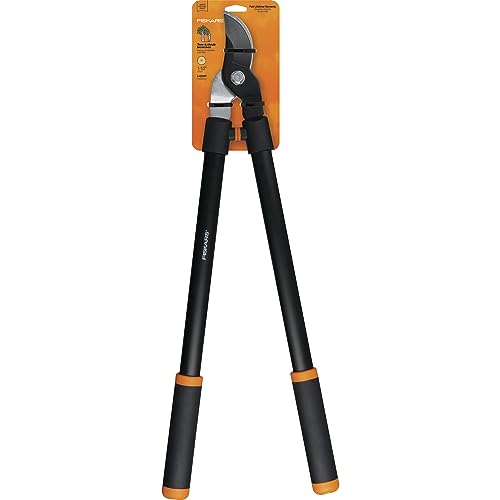
The Fiskars 28″ lopper features a steel blade capable of cleanly cutting branches up to 1.5 inches in diameter. Its rust-resistant blade, paired with a low-friction coating, promotes smooth cuts with reduced gumming. The non-slip grip handle enhances control for extended pruning sessions. Built to last, this tool carries Fiskars’ reputation for durability and includes a full lifetime warranty.
SEESII 2-in-1 Electric Pole Saw

This 2-in-1 tool switches quickly between handheld chainsaw and pole saw. It enables cutting at ground level or up to heights without ladders, thanks to an adjustable extension pole that can reach up to 10 feet. The multi-angle cutting head provides versatility for awkward angles, improving control and precision while reducing strain on the user’s arms and back.
YRTSH Loppers 28-41″ With Compound Action
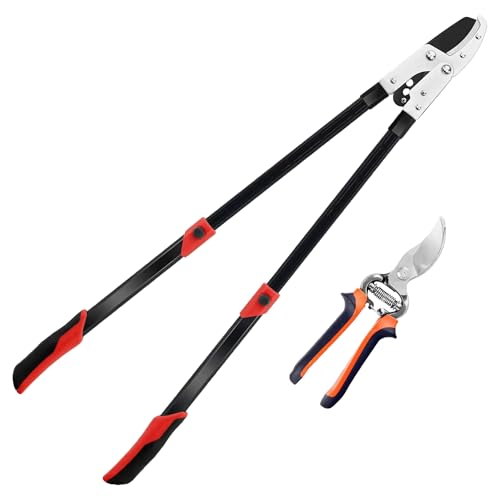
YRTSH offers a heavy-duty extendable lopper with a compound action mechanism for greater leverage. The blade stays sharp through demanding pruning tasks, and the aluminum handle extends from 28 to 41 inches, enabling easier cutting of higher branches without overreaching. The design aims to balance power, reach, and durability for ongoing yard maintenance.
Fiskars 32-Inch PowerGear Loppers

The 32″ PowerGear loppers use patented PowerGear technology to increase cutting power while reducing effort. The hardened, rust-resistant blade and low-friction coating support smooth, reliable cuts, particularly on thicker branches up to 2 inches. The tool is designed to minimize strain on hands, wrists, and muscles during extended trimming sessions.
Fiskars Extendable Loppers 24.5-37″
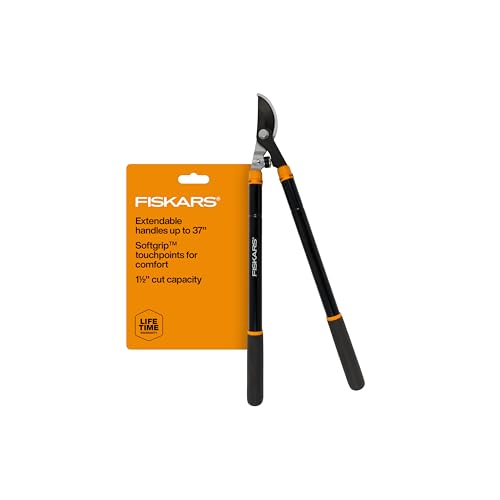
This extendable Fiskars model covers 24.5″ to 37″, offering flexibility for reaching higher branches. The extendable steel blade features a non-slip handle for confident control, while the blade coating helps prevent gumming and rust. It’s designed for durability and long-term use in moderate to heavy pruning tasks.
Buying Guide: Key Purchase Considerations
When selecting a tree branch cutter, consider how you prune, your yard’s height, and how much leverage you need. Materials matter: steel blades hold an edge longer, while coatings reduce corrosion and gum. Cutting capacity should align with typical branch sizes in your landscape; avoid tools with insufficient reach or power for your trees.
Types of mechanisms affect effort and comfort. Manual loppers rely on leverage and action to cut; compound-action designs increase power with less hand fatigue. Power-assisted options, like cordless pole saws, expand reach but require battery management and occasional maintenance. Choose based on your preferred workflow and safety considerations.
Reach and height are practical factors. Longer handles or extendable poles allow pruning from the ground, reducing the need for ladders. However, longer tools can be heavier, so balance length with weight and maneuverability. A comfortable grip and balanced weight distribution contribute to safer, more precise cuts.
Durability and warranty provide long-term value. Look for rust-resistant blades, low-friction coatings, and a proven warranty to ensure the tool endures seasons of pruning. Maintenance habits—cleaning blades after use, tightening hardware, and proper storage—extend tool life and performance.
Budgeting considerations include total cost of ownership (initial price plus replacement parts and batteries, if applicable). A slightly higher upfront investment in a high-quality tool can reduce replacement frequency and improve pruning results over time.