Best Underlayment for Clay Tile Roof: Top Options for Durability and Moisture Protection
Clay tile roofs require a reliable, moisture-resistant underlayment to extend life and protect the roof deck. This guide reviews five high-performing underlayments commonly used with clay tile installations, highlighting material properties, installation considerations, and code compatibility. Learn how to choose based on tear resistance, UV exposure, fire ratings, and compatibility with tile profiles to ensure a long-lasting roof system.
| Product | Brand | Key Benefit |
|---|---|---|
| SIPA 100 GSM Synthetic Waterproof Roof Underlayment | SIPA | High coverage, strong UV tolerance |
| Tyvek Protec 120 Roof Underlayment | DuPont Tyvek | Compatibility with various roof types |
| Tyvek Protec 200 Roof Underlayment | DuPont Tyvek | Class A fire rating, durable and reliable |
| DuPont Roof Protector Roofing Underlayment | DuPont | Four-layer construction for grip and moisture barrier |
| INTERWRAP Roof Underlayment Pro-Grade | INTERWRAP | High yield and versatile for tile profiles |
SIPA 100 GSM Synthetic Underlayment

The SIPA underlayment offers 100GSM synthetic protection with a 4-foot by 250-foot roll. It provides UV resistance for extended exposure and is designed to cover large roof areas efficiently. Compliance and performance ratings support its use under clay tile systems, with emphasis on moisture barrier and tear resistance during installation.
Tyvek Protec 120 Roof Underlayment
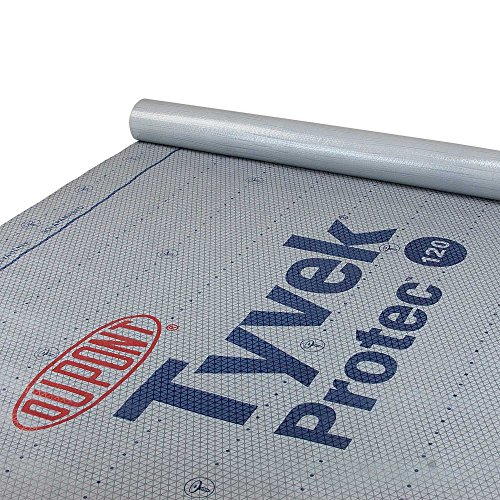
Tyvek Protec 120 is compatible with asphalt, cedar, and metal roofs, suitable for repairs and new constructions. Tyvek’s durable underlayment blends tear resistance with a robust moisture barrier, supporting long-term performance under clay tile overlays where additional protection against wind-driven moisture is beneficial.
Tyvek Protec 200 Roof Underlayment

Tyvek Protec 200 offers a Class A fire rating and extended protection with a 50-year warranty framework. The higher density underlayment provides enhanced wind uplift resistance and durability, making it a strong option for clay tile installations in areas with higher wind or seismic risk.
DuPont Roof Protector Underlayment
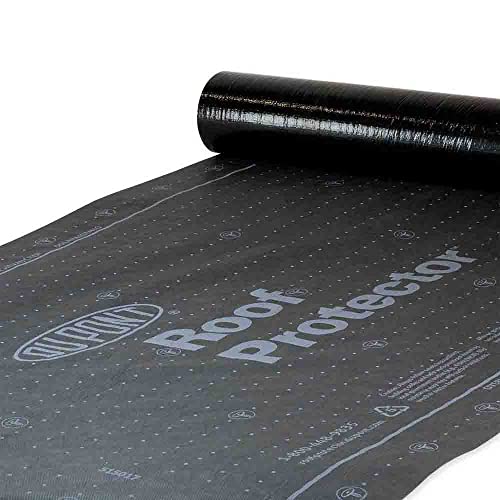
DuPont Roof Protector features a four-layer construction that balances grip, moisture protection, and strength. The top layer provides traction for safe installation, while the lamination, scrim, and coating work together to minimize water intrusion and support longer-lasting roof assemblies over clay tiles.
INTERWRAP Roof Underlayment Pro-Grade

Interwrap Pro-Grade UDL30 is designed to deliver reliable performance with a focus on yield and versatility for various roof tile profiles. It’s suitable for field, hip, ridge, rake, and valley installations, providing a dependable moisture barrier and ease of handling on large clay tile projects.
Buying Guide: Key Purchase Considerations
- Moisture barrier performance: Prioritize underlayments with strong moisture resistance to protect plywood or decking under clay tile assemblies, especially in rainy or coastal environments.
- UV exposure and wind resistance: Consider UV-tolerant products for temporary exposure during installation and those with wind uplift resistance for exposed roof planes.
- Fire rating and code approvals: Look for Class A ratings, ICC-ES, or local code approvals to ensure compliance with building requirements for clay tile roofs.
- Compatibility with tile profiles: Some underlayments are engineered to work with specific tile profiles (low, medium, high, two-piece barrels). Ensure compatibility with your tile system.
- Durability and tear resistance: For long-lasting roofs, choose products with robust tear resistance and multi-layer constructions that maintain integrity during installation.
- Warranty and service life: Consider warranties (e.g., 50-year expectations) and manufacturer reliability to reduce maintenance needs over the roof’s lifespan.
- Installation ease and safety: Evaluate easy-cutting, slip resistance, and grip during installation to improve safety on pitched clay tile roofs.
Choosing the right underlayment involves balancing performance, code compliance, and compatibility with tile profiles. The options listed here represent a range of performance tiers and construction types, enabling a more informed decision for clay tile roof projects.