Best Vacuum for Insulation Removal: Top RAM and Bulldog Options for Attic Cleanup
Removing insulation can be messy work, but the right insulation removal vacuum bags make the process faster and cleaner. This guide highlights five strong options designed for heavy debris, large capacities, and low-dust performance. The selections focus on RAM bags and BulldogVacBags, chosen for durability, fit with common vacuums, and practical spill containment. Use the quick-reference table below to compare core specs at a glance.
| Product | Brand | Bag Size | Estimated Capacity | Notes |
|---|---|---|---|---|
| RAM PRO-450 (6 ft x 4 ft) | RAM | 6′ x 4′ | 75 CF / 450 lbs | Tear-proof, easy-fill spout, lowest dust filter |
| RAM ECO+ 7 ft x 4 ft (10 Pack) | RAM | 7′ x 4′ | 88 CF / 400 lbs | Low dust, 2.4 fabric strength |
| RAM ECO+ 7 ft x 4 ft (1 Bag) | RAM | 7′ x 4′ | 88 CF / 400 lbs | Single bag option, same rugged design |
| RAM Heavy-Duty 6 ft x 4 ft (Low Dust) | RAM | 6′ x 4′ | 75 CF | White 2.4 fabric, durable construction |
| BulldogVacBags 1 Bag | BulldogVacBags | 6′ x 4′ | 75 CF / 400 lbs | Durable woven mesh, easy transport |
RAM PRO-450 Insulation Removal Vacuum Bag

RAM’s PRO-450 bag is designed for contractors who need durability and high capacity in one unit. The bag measures 6 feet by 4 feet and holds an estimated 75 cubic feet or about 450 pounds of insulation debris. Its tear-proof construction is paired with an easy-fill spout and a low-dust filter, making it easier to manage loose-fill fiberglass, rock wool, or cellulose insulation in attics or wall cavities. The bag fits hoses with a 10-inch or smaller diameter, delivering compatibility with most standard insulation vacuums.
Key features include a heavy-duty build meant to resist tears during heavy loads, a practical spout design to reduce dust, and broad compatibility with common insulation removal tools. While handling heavy bags, users should avoid overfilling to maintain maneuverability. This RAM option is well-suited for large attic cleanouts where volume and dust suppression are priorities.
RAM ECO+ Bags 7 Ft X 4 Ft — 10 Pack

This RAM ECO+ set provides a bulk option for larger projects. Each bag measures 7 feet by 4 feet, with an estimated capacity of 88 cubic feet or 400 pounds. The fabric uses 2.4 strength, which delivers robust durability while maintaining a lower dust profile during disposal. The package includes ten bags, offering extended use across multiple attic cleanouts without frequent replacements. These bags are designed for loose-fill fiberglass, cellulose, or rockwool and fit vacuums or hoses with a 10-inch diameter or smaller.
For teams performing repeated insulation removal, ECO+ bags offer cost efficiency and consistent performance, even when laden with heavy debris. The combination of high capacity and sturdy material minimizes bag ruptures and reduces downtime from bag changes.
RAM ECO+ Bag — 7 Ft X 4 Ft (Single)
This individual RAM ECO+ bag mirrors the 10-pack’s specifications but is offered as a single unit for flexible stocking. With a 7′ x 4′ footprint and capacity of 88 cubic feet or 400 pounds, it continues RAM’s emphasis on low-dust disposal and reliable 2.4 fabric strength. The bag is crafted to fit standard vacuums and hoses (10″ diameter or less) and supports efficient disposal of loose-fill insulation materials from attic and wall cavity cleanouts.
Single-bag purchases map well to smaller projects or one-off renovations, ensuring you don’t hold excess stock. The durable construction helps resist tearing under typical field conditions, while the low-dust design minimizes disturbance of settled debris during bag changes.
RAM Heavy Duty 6Ft X 4Ft Low Dust Bag
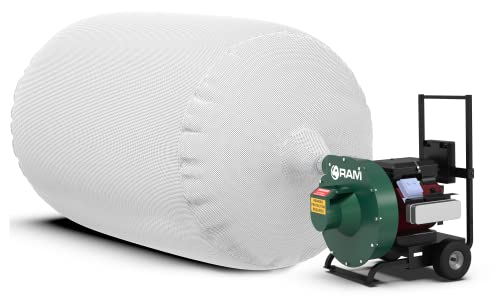
Designed for heavy-duty insulation removal, this RAM bag measures 6 feet by 4 feet and holds an estimated 75 cubic feet of debris. The package promises a white 2.4 fabric with a low-dust profile, making it a practical option for attic cleanouts that involve loose-fill fiberglass, cellulose, or rockwool. The bag is compatible with vacuums or hoses with a 10-inch diameter or smaller and emphasizes robust construction to resist tearing under weighty loads. While straightforward in use, overfilling can make transport challenging, so users should fill to an appropriate level to maintain manageability.
With consistent performance and rugged construction, this RAM option is favored by professionals handling large insulation projects, where minimizing dust and bag failure is crucial to maintain job site cleanliness and efficiency.
BulldogVacBags: 1 Insulation Removal Bag

BulldogVacBags offers a durable insulation removal bag option with a large opening for easy debris removal. This bag is designed to hold up to 105 cubic feet and 400 pounds, providing strong high-tensile strength through woven mesh polypropylene. The oversized opening facilitates the removal of bulky debris or waste, and the bag’s design supports straightforward transport by stacking for efficiency on larger jobs. It’s compatible with standard vacuums and hoses, making it a practical alternative when RAM bags are not available or when in-field handling requires rapid bag changes.
BulldogVacBags emphasize versatility and rugged construction, making this single-bag option suitable for varied insulation materials and attic-to-wall cavity cleanouts. Its design supports quick maintenance of job flow, especially when multiple sections of an attic require staged cleanups or when contractors need dependable containment for debris and dust.
Buying Guide: Key Purchase Considerations And Comparisons
When choosing insulation removal bags, buyers should evaluate bag capacity, fabric strength, dust control, and compatibility with vacuum hoses. Consider the typical attic or wall cavity size, the type of insulation (loose-fill fiberglass, rock wool, or cellulose), and whether frequent bag changes will occur during a project. Below are several perspectives to support informed decisions:
- Capacity vs. weight: Larger bags like 7′ x 4′ deliver more capacity, reducing bag changes but increasing handling weight. For frequent moves, ensure you can safely lift and maneuver full bags.
- Dust suppression: Bags described as “Low Dust” or featuring robust fabric strength reduce dust during disposal, improving air quality and site cleanliness. This is important in occupied spaces or where dust containment matters for health and safety.
- Durability: Tear-resistant materials and reinforced seams help prevent ruptures when lifting heavy loads. If you’re working in tight attic spaces, a durable bag reduces interruptions due to bag failure.
- Fit and compatibility: Most bags are designed for hoses with a 10-inch or smaller diameter. Confirm your vacuum model’s hose size to ensure a proper seal and prevent debris bypass.
- Single bag vs. multi-pack: For contractors who perform occasional cleanup, single bags may suffice. For crews or ongoing work, multi-packs provide cost efficiency and ready supply.
- Material and disposal: Ensure the bag material is compatible with your disposal requirements and local regulations. Non-woven polypropylene is common due to durability and containment.
In practice, RAM bags are positioned for heavy-duty, professional use with a balance of capacity and dust control, while BulldogVacBags offers flexible options for quick deployments and easy transport. When comparing, consider both the bag’s stated capacity and real-world handling, such as the ease of filling, sealing, and moving stacked bundles. Selecting a mix of bag sizes can optimize workflow across different job scopes, from single-room attic cleanouts to multi-room renovations.