Best Vent Screens for Crawl Space: Durable Solutions for Moisture and Pests
Keeping a crawl space properly ventilated while preventing moisture buildup and pest intrusion is a common home improvement task. The following vent screens and covers are designed to fit standard 16×8 openings and similar dimensions, with features like dampers, screens, and rust-resistant materials. This guide highlights five reliable options, comparing installation ease, airflow control, and weather resistance to help you choose the right vent solution for American homes.
| Product | Brand | Key Benefit | Ruggedness |
|---|---|---|---|
| AMZDEPOT 6 Pack 12×8 Inch Wire Mesh Sheets | AMZDEPOT | High airflow with 20 mesh, 1mm aperture | Excellent corrosion resistance (304 stainless) |
| RazAir Foundation Vent with Damper and Screen | RazAir | Slide-open damper for easy seasonal control | Weatherproof ABS, durable outside use |
| EZRvent FV100-8H Easy Replacement Vent | EZRvent | Quick outside install, no siding damage | Galvanized mesh, easy to handle |
| Foundation Vent Cover 16×8 White | JIANBENKJ | Damper and screen with weatherproofing | Fits standard 16×8 rough openings |
| Foundation Vent Cover Crawl Space 16×8 Black | JIANBENKJ | Damper-enabled airflow control | Three-pack option for multiple openings |
AMZDEPOT 6 Pack 12×8 Inch Wire Mesh Sheets

These 12×8 inch stainless steel sheets come in a 6-pack, offering a budget-friendly way to create DIY vent screens for crawl spaces. The 20 mesh size with a 1mm aperture provides solid filtration without overly restricting airflow. The 0.4mm wire diameter yields a sturdy screen that resists deformation in tight crawl space corners. Crafted from 304 stainless steel, they resist corrosion from rain, wind, and other elements, while tolerating high temperatures. Ideal for DIY filtration passes, cage vents, and basic crawl space screening projects.
Key considerations: When using sheets in crawl spaces, plan for framing or mounting that prevents sagging. The capability to trim or cut to fit irregular openings adds flexibility for custom installations. This option is best for users who want durable metal mesh that can be repurposed across multiple small openings.
RazAir Foundation Vent With Damper And Screen

The RazAir vent blends a foundation vent with a built-in damper and screen. The damper design makes it easy to adjust airflow without removing the cover, helping to reduce moisture in humid months and retain warmth in cold months. The product emphasizes a durable, weatherproof fill that resists wind-driven debris and pests while maintaining good air exchange. The screen layer helps keep insects and small critters out while allowing adequate ventilation for a moisture-conscious crawl space.
Key considerations: Sliding damper mechanics are user-friendly for seasonal adjustments. Consider a dedicated mounting approach to ensure the vent remains aligned in windy conditions and that the screen remains intact after long-term use.
EZRvent FV100-8H Easy Replacement Vent
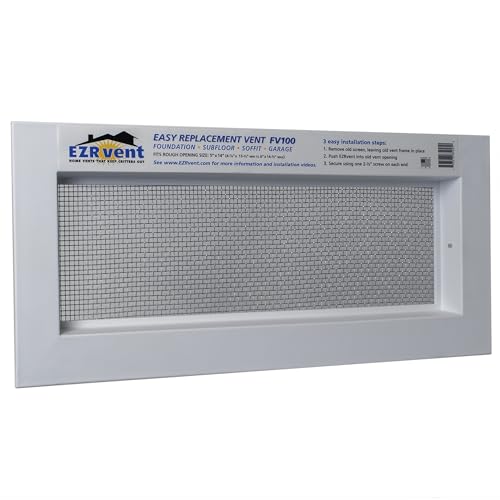
The EZRvent FV100-8H targets 5×14 rough openings, with installation that can be completed from the outside and in under two minutes. It uses galvanized mesh and a simple design that reduces the time needed for modifications to siding or stucco. The product accommodates a range of openings by adjusting the installation approach and is suitable for crawl spaces, basements, or garages lacking dedicated ventilation when quick retrofit is desired.
Key considerations: Quick-install solutions are beneficial for DIY projects, but verify that the opening matches the listed rough opening size. Ensure compatibility with any existing damper configurations and check for any weatherproofing requirements after installation to maintain efficiency.
Foundation Vent Cover 16″x8″ White

This white vent cover is designed for 16×8 rough openings and combines a damper with a screen to control airflow and prevent small animals. It emphasizes weather-ready installation, with the ability to switch airflow as the season changes. The design helps to minimize moisture buildup while allowing heat retention during cold months. It’s suitable for crawl spaces, foundations, and garages where outdoor exposure is a concern.
Key considerations: Measure your opening precisely before ordering. The damper’s effectiveness depends on a proper seal and consistent operation over time, so test the lever during different temperatures to confirm reliable performance.
Foundation Vent Cover Crawl Space 16×8 Black
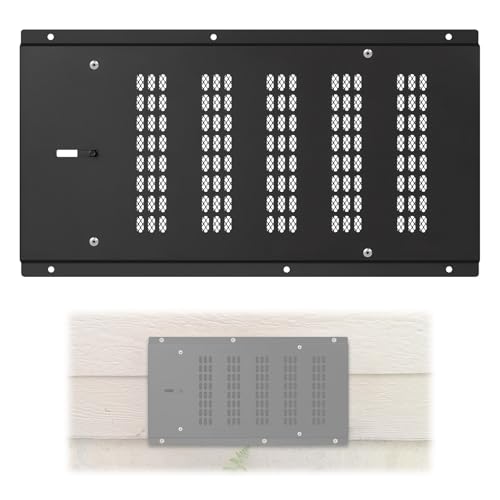
Available in black, this vent cover pairs a damper with a screen for crawl spaces and attics, designed to fit the standard 16×8 rough opening. It emphasizes ongoing airflow control with the damper and the efficiency of its screen to deter pests. The product is positioned as a durable exterior vent cover suitable for outdoor exposure in cooler climates and for homeowner use in garages or basements.
Key considerations: Aesthetics may matter for visible exterior installs. Consider adding a weatherproof seal or sealant to improve durability and prevent wind-driven infiltration around the damper edge.
Buying Guide: Key Purchase Considerations For Crawl Space Vent Screens
Choosing a crawl space vent screen involves balancing airflow, moisture control, pest protection, and installation effort. Here are several critical factors to consider, along with different scenarios:
- Vent opening size and fit: Most crawl spaces use standard 16×8 rough openings. Confirm measured dimensions before purchasing any cover or damper. Some products also offer 12×8 sheets for DIY mesh replacements in smaller openings.
- Damper availability: Damper-equipped vents provide seasonal control—open in warmer months and close to retain heat. Decide if a manually adjustable damper or an automatic open-close mechanism best suits your climate and maintenance tolerance.
- Material durability: Stainless steel screens resist corrosion well, while galvanized or ABS components offer lower cost and adequate performance. For coastal or humid environments, prioritize corrosion resistance and UV-stable plastics.
- Airflow vs. filtration balance: A larger mesh opening increases airflow but may let in pests. Choose a mesh size that minimizes insect ingress without overly restricting ventilation.
- Ease of installation: Exterior-installable or outside-accessible designs save labor, especially for retrofits. Assess whether you need quick-install options or reversible DIY screens that can be re-purposed for other openings.
- Maintenance considerations: Look for removable screens or easily accessible dampers for cleaning and replacement. Simpler mechanisms reduce long-term maintenance.
- Aesthetics and weatherproofing: White or black finishes can affect exterior appearance. Ensure weatherproof seals and proper flashing to prevent water intrusion around the vent edge.
- Security and pest deterrence: A durable screen with a tight mesh and a robust frame deters rodents and insects. Consider triple-layer or reinforced designs if small animals are a concern.
Installation Tips And Best Practices
– Measure openings accurately and keep a small margin for mounting hardware.
– Ensure the damper mechanism moves smoothly; lubricate if needed with a light, non-petroleum lubricant.
– Seal around the perimeter with compatible weatherproofing materials to prevent air leakage.
– For DIY mesh sheets, trim carefully and mount using screws or framing members to avoid sagging on larger surfaces.
– Regularly inspect vent covers for damage after storms or heavy winds and replace when needed.
In summary, the recommended vent screens for crawl spaces combine durable materials, practical airflow management, and easy installation. For DIYers, AMZDEPOT’s metal mesh sheets offer flexible reuse, while RazAir and EZRvent provide ready-to-install damper options. JIANBENKJ’s vent covers emphasize straightforward sizing for 16×8 openings, with color variants to fit exterior aesthetics. Evaluate your climate, crawl space moisture levels, and pest pressure to select the best solution for long-term performance.