Best White Paint for Interior Doors: Top Picks for a Fresh, Durable Finish
Choosing the right white paint for interior doors involves considering finish, durability, odor, and ease of application. The following selections are geared toward interior doors and trim, offering quick-dry formulas, low odor, and strong coverage. Each option accommodates metal, wood, or fiberglass doors and provides a clean, lasting white finish suitable for American homes.
| Product | Brand | Key Benefit |
|---|---|---|
| Rust-Oleum 369384 Advanced Dry Door & Trim Paint | Rust-Oleum | Dries fast; lower odor; durable satin white |
| EVOLVE Interior Paint & Primer, Eggshell White | EVOLVE | One-coat coverage; low VOC; washable finish |
| Zinsser 02774 PERMA-WHITE Mold & Mildew Proof Interior | Zinsser | Mold/mildew resistance; self-priming |
| Rust-Oleum Painter’s Touch Latex Paint, Gloss White | Rust-Oleum | Versatile indoor/outdoor use; quick-dry; high-gloss white |
| Rust-Oleum 372007 Transformations Cabinet & Trim Paint | Rust-Oleum Home | Cabinet-and-trim makeover; smooth flow and leveling |
Below are five selected products most relevant to white interior doors, followed by practical buying guidance to help you compare options across sheen, durability, and surface compatibility.
Rust-Oleum Advanced Dry Door & Trim Paint — Satin White

Rust-Oleum’s door-and-trim pair is designed for interior and exterior doors made of wood, metal, or fiberglass. The water-based formula minimizes odor while delivering a long-lasting finish that resists fading. It dries to the touch in about 45 minutes, enabling faster project completion, and its satin white sheen offers a balanced, professional look suitable for most door surfaces. The product is ready to use, requiring no extensive mixing or thinning, which reduces prep time and potential application issues. When choosing for interior doors, consider a light to medium sheen that hides minor surface imperfections without blurring details.
For best results on doors with existing finishes, use a light scuffing with fine-grit sandpaper and a clean, dust-free surface. While this paint is versatile, it excels on well-prepared, primed surfaces. The low-odor characteristics make it suitable for rooms where occupants live or work, such as bedrooms, hallways, and home offices. It’s compatible with a variety of substrates, but verifying the door’s material compatibility will help ensure a consistent, durable finish over time.
Rust-Oleum Painter’s Touch Ultra Cover — Semi-Gloss White

This versatile, water-based acrylic formula covers a wide range of interior and exterior surfaces, including wood, metal, plaster, and masonry. The semi-gloss finish provides a durable, easy-to-clean surface ideal for doors subject to frequent contact. Low odor helps reduce discomfort during application, and the paint resists chipping for longer-lasting coverage on wear-prone door surfaces. Coverage tends to be substantial—up to 120 square feet per coat—making it a good option for multiple doors or large entryways. Drying time is quick, allowing projects to wrap up in a single weekend.
When using on doors, ensure a smooth edge with light sanding between coats if you’re aiming for a flawless finish. Proper ventilation and a well-ventilated workspace help keep odors manageable and the overall application experience smoother. This product pairs well with masking tape and painter’s tape to protect adjacent trim and walls during a door repaint or refresh.
Zinsser PERMA-WHITE Mold & Mildew Proof Interior Paint

PERMA-WHITE is a mold- and mildew-resistant interior paint ideal for rooms with higher moisture risks, such as entryways adjacent to bathrooms or laundry spaces. This self-priming formula reduces prep work by eliminating the need for sanding or separate primer in many cases. The coating resists dirt and moisture on the film, contributing to easier maintenance and longer-lasting door surfaces. While it’s marketed as an interior paint, its durable formula makes it suitable for low-traffic exterior doors under covered areas as well.
Application tips emphasize even coverage, with a smooth, steady stroke to prevent lap marks. The mold-and-mildew resistance is particularly useful in climates with humidity or in homes with high-traffic entry doors. For best results, pair this product with a compatible primer on problematic surfaces and allow sufficient cure time between coats to maximize film integrity.
Rust-Oleum Painter’s Touch Latex Paint — Gloss White
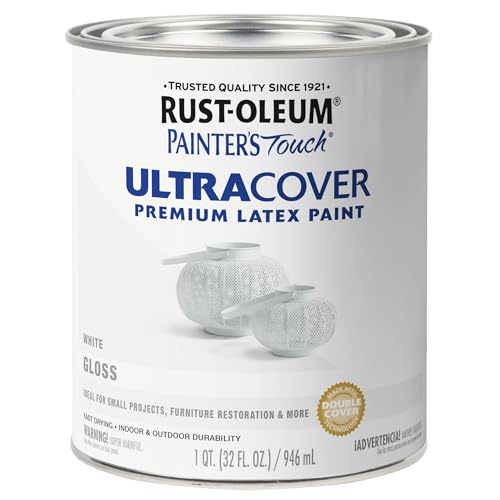
This gloss white finish from Painter’s Touch is a robust choice for interior doors requiring a bright, glossy appearance that stands up to frequent touch and cleaning. The latex formula is low odor and easy to work with, and it dries quickly for faster project turnover. With coverage suitable for most standard interior doors, it’s a practical option for DIY enthusiasts updating door surfaces in living areas, bedrooms, or hallways. The gloss sheen highlights details and moldings on doors, making it a popular pick for crisp, modern aesthetics.
Surface preparation remains key: remove hardware, clean the surface, lightly sand glossy areas, and apply a suitable primer if switching from a dark color or glossy finish. Multiple thin coats typically yield a richer, more durable finish than a single heavy coat. Cleaning and maintenance are straightforward, contributing to long-term door upkeep.
Rust-Oleum Transformations Cabinet & Trim Paint — Pure White

Transformations is designed for cabinet and trim updates, including interior doors that share similar use and wear patterns. The quick-drying formula provides smooth flowing coverage with excellent leveling, delivering a professional look with minimal brush marks. Dries to the touch in about 30 minutes and covers roughly 50 square feet per quart, making it suitable for door surfaces and adjacent trim in smaller rooms or single-door projects. This option is particularly convenient for homeowners reimagining kitchens, bathrooms, or hallways with updated white doors.
For best performance, apply with even strokes and consider lightweight sanding between coats to minimize texture and ensure an ultra-smooth finish. Because it’s tailored toward cabinets, this product often benefits from a primer or a deglosser on very slick surfaces or older finishes to maximize adhesion and durability on door surfaces as well.
Buying Guide: Key Considerations For White Interior Doors
- Sheen and style: Choose a sheen that balances aesthetics with durability. Satin and eggshell offer a clean look and easier cleaning, while semi-gloss or gloss finishes yield a brighter, more durable surface ideal for doors and trim that face frequent contact.
- Durability and washability: For high-traffic doors, prioritize paints with durable film-forming properties and cleanability. Mold- and mildew-resistant finishes are beneficial in moisture-prone areas such as entryways or doors near bathrooms.
- Primer needs: Some products are self-priming, reducing prep time. For challenging surfaces (glossy previous finishes, laminate, or metal), a bonding primer will improve adhesion and final appearance.
- Odor and VOCs: Low-odor, low-VOC formulas are more comfortable for interiors. This is especially important in bedrooms, nurseries, and living spaces where occupants spend extended time.
- Application and drying time: Quick-dry products increase project speed but may require more coats. Consider the room’s usage and the time you can dedicate to drying between coats.
- Coverage and project size: Assess coverage per quart or gallon to estimate the number of coats and overall product you’ll need for your doors and trim, especially if repainting multiple doors.
- Surface compatibility: Doors vary from wood to metal to fiberglass. Verify product compatibility with your door material to prevent adhesion issues and ensure a uniform finish.
When applying white interior door paint, proper surface preparation greatly affects the final outcome. Clean the surface, remove existing hardware, protect adjacent surfaces with tape and drop cloths, and consider light sanding for a key to help paint adhere. For better durability on doors that swing or rub against frames, a durable topcoat or added coats may be advisable. Always follow the manufacturer’s directions for recoat times and cure times to achieve the best long-term results.