Best Window Guards for Houses: Safe, Easy Installations for Every Home
Answering buyers seeking reliable window safety, these window guards help prevent falls, intrusions, and accidental openings. This guide highlights five top options, each suited for different home layouts and needs. Choose this guide if you want clear, comparison-ready facts and practical buying tips. The top picks span fixed and adjustable designs, non-egress guards, and pet-friendly barriers to cover most residential scenarios.
| Product | Best For | Key Benefit |
|---|---|---|
| Segal S 4752 | Interior-only, fixed guard for standard windows | Adjustable width with tamper-proof screws |
| WAOWAO Window Safety Guards | Wide openings and pet-friendly homes | No-drill tension installation |
| Segal S 4764 | Non-egress needs with interior mounting | Slim profile, easy adjustment |
| Delmoar Fixed Window Safety Guard | Vertical windows, tight spaces | Slim bar spacing and easy mounting |
| Grisham AWG | Indoor/outdoor versatility, rust resistance | Heavy-duty tubular steel construction |
Introduction
Best window guards for houses typically balance security with ease of use. The Segal S 4752 is a solid interior guard suited for standard bedroom or living room windows, offering a fixed height and adjustable width. WAOWAO’s tension-based guards excel where no-drill installation is desired and openings vary in size. Segal S 4764 provides a non-egress option with similar sizing flexibility, ideal when emergency access must be maintained in other forms. Delmoar targets vertical window setups with compact bar spacing. Grisham AWG emphasizes durability and resistance to the elements, suitable for areas exposed to moisture. The table above helps compare core trade-offs at a glance.
Buying snapshot — The following 5 products are selected for relevance to “window guards for houses,” considering interior mounting, adjustability, and safety features. The focus is on practical installation, child-patent protection, and suitability for common home layouts.
Segal S 4752 Fixed Window Guard
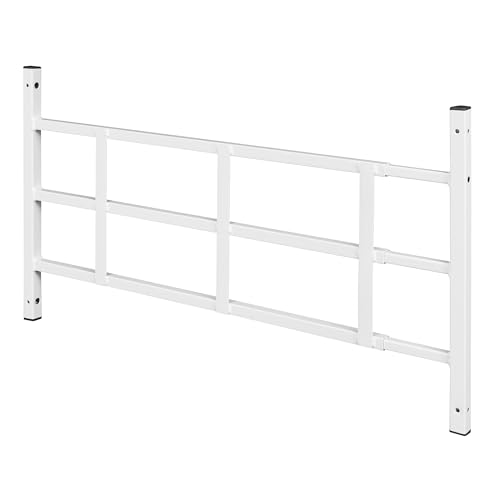
Best for interior use where you need a sturdy, fixed barrier. This Defender Security guard is constructed from 0.048 inch white carbon steel with a 3-7/8 inch center bar spacing. It includes tamper-proof screws for interior mounting and prevents accidental falls in standard window openings. It is a non-egress design, meaning it should not be relied on for emergency egress. Choose this if you want a durable, fixed solution for most standard residential windows. A limitation is that it cannot be opened in emergencies, so plan alternative egress if required.
WAOWAO Window Safety Guards

Best for wide openings and households needing easy, non-drilling installation. WAOWAO uses tension to secure the guard without window frame drilling, adjusting via four bolts to control tightness. It supports a wide gap and tests reported resistance to substantial forces. This option is well-suited for homes with variable window sizes or renters seeking a removable barrier. A caution is that ensured fit depends on frame contact and proper tension, so follow installation steps carefully.
Segal S 4764 Fixed Window Guard

Best for non-egress needs with a slightly taller profile. This Segal guard mirrors the S 4752’s construction and adjustable width but offers 21-1/4 inches in height. It secures via tamper-proof screws and is designed for interior use. Choose this if you need a slightly higher guard to cover taller openings. The trade-off is a fixed setup that may require compatible window dimensions to avoid gaps.
Delmoar Fixed Window Safety Guard

Best for vertical windows in tighter spaces. Delmoar features a narrow 3.8 inch bar spacing and an interior mounting design. It is adjustable within 14″ to 38″ width and is described as suitable for vertical windows (not for horizontal sliding types). This makes it a strong pick for narrow wall sections or bedrooms with vertical window frames. A limitation is non-suitability for certain window types, so verify your window orientation before purchase.
Grisham AWG Window Guards

Best for rust resistance and broader indoor/outdoor versatility. Grisham AWG guards use tubular steel with a robust build and come with inside or outside mounting options. They rely on tamper-proof one-way screws and aim to withstand common household wear. Choose this for higher durability in moisture-prone areas or if you want an option that can adapt to different mounting locations. A caution: heavier construction may require more effort during installation.
Orechic Rain Deflector

Best as a supplementary shield near exterior doors or windows to protect from rain, snow, and debris. While not a traditional guard, this accessory helps protect window areas during adverse weather, extending the life of guards and adjacent finishes. It is wide and easy to install with pre-drilled holes. A limitation is that it does not replace a window guard but complements one in rain-prone zones.
beeNbkks Pet Window Guards

Best for pet-friendly homes needing a clear view. These acrylic panels provide a barrier without the visual obstruction of bars, and they mount via pressure with a wide width range (32″ to 62″). They are tall enough (29″) to cover most standard openings and keep pets safe while preserving an open feel. A caution is that acrylic guards may scratch or stain over time with heavy pet use, so monitor for surface wear.
Fairy Baby Window Guards

Best for adjustable, wide-range coverage with multiple panel configurations. Fairy Baby guards offer adjustable lengths in various piece configurations to fit openings from about 31.8″ up to 111.8″. They are pressure mounted for easy installation and removal and are designed for households with toddlers or pets. A limitation is the potential need for multiple sections to cover larger openings, which can complicate setup.
Buying Guide
What should you consider when choosing window guards for houses?
- Window type and opening: Fixed vs. adjustable, interior vs. exterior mounting, and whether the opening requires non-egress design.
- Gap size and bar spacing: Smaller gaps reduce fall risk but may limit visibility or airflow; choose bar spacing that balances safety with function.
- Installation method: Drilling vs. tension or pressure mounting; consider renter needs and wall/frame conditions.
- Durability and materials: Steel offers strength; aluminum is lightweight; consider moisture exposure and length of use.
- Pet and child considerations: Clear panels can preserve sightlines for pets; non-snag designs reduce injury risk for children.
FAQ
- What is a non-egress window guard?
It is designed to prevent opening of the window under normal conditions and is not intended for emergency escape. - Do these guards require tools to install?
Some models use screws; others rely on tension or pressure mounting, which may not require drilling. - Are these guards suitable for rental homes?
Yes, tension-mounted and pressure-mounted options are commonly used in rentals, but verify with the landlord. - Can guards be removed easily for cleaning?
Many models, especially pressure-mounted ones, can be removed without tools, but confirm the specific design. - What height and width should I measure before purchasing?
Measure the window width before mounting and consider the height to ensure full coverage of the opening.