Best Window Insulation for Cold Weather: Top Kits and Solutions for a Warmer Home
Staying warm during cold months starts at the windows. The right window insulation kit can block drafts, reduce heat loss, and lower energy costs without heavy remodeling. Below are five well-regarded options that fit up to various window counts and setups, along with practical insights to help you choose. This guide covers film-based kits, thermal curtains, and flexible seal tapes, offering a balanced view of installation ease, durability, and value.
Summary Table
| Product | Type | Typical Use | Key Benefit |
|---|---|---|---|
| Duck Brand Window Insulation Kit (62″ x 420″) | Rolled shrink film | Up to 10 windows | Simple indoor installation, airtight seal |
| Duck MAX Strength Window Insulation Kit (62″ x 420″) | Shrink film, heavier | Up to 10 windows | More puncture resistance and thickness |
| Mellroom Adjustable Window Insulation Kit (47″ x 63″) | Transparent film with straps | Smaller to mid windows | Reusable and easy ventilation access |
| Duck Brand 15-Pack Winter Window Kit | Rolled shrink film | Up to 15 windows | Great coverage for larger homes |
| SWRT Window Weather Sealing Tape | Adhesive tape | Doors and windows | Effective all-season seal, no mess |
Duck Brand Window Insulation Kit — 62″ x 420″ (Up to 10 Windows)

Duck Brand’s rolled shrink film insulation kit provides a straightforward indoor installation to seal drafts. The kit claims to cut energy costs by creating an airtight interior barrier against cold weather. It requires only scissors and a hair dryer for shrinking the film to fit each window. For best results, install on clean, dry surfaces in painted or finished wood, aluminum, or vinyl frames. This option is well-suited for homeowners seeking a dependable, simple solution across multiple windows without complex hardware.
Key features support quick deployment: a roll of shrink film that you cut to size and shrink with heat, and included tape for a clean seal. The approach minimizes drafts and can noticeably improve room warmth during winter. Durability hinges on proper heat shrinking and surface cleanliness. While the film is transparent, the success of the insulation depends on thorough preparation and airtight edges around each window.
Duck MAX Strength Window Insulation Kit — Heavier-Duty Film

The Duck MAX Strength kit uses a thicker film, designed to be puncture-resistant and more robust than standard kits. It still follows the same indoor installation method: cut the film to size, apply tape, and heat-shrink with a hair dryer. This version aims to provide an extra layer of protection in homes with more exposure to cold drafts or higher wind pressures near windows. Installation steps remain simple, but the thicker film may slightly increase stiffness and handling caution during shrinking.
Its enhanced durability can translate to longer-lasting performance in tough winter conditions. As with other film kits, surface cleanliness and ensuring a tight seal around the edges are critical for energy savings. If you live in a drafty home or want fewer window-related heat losses, this option offers stronger protection without a complicated setup.
Window Insulation Kit for Winter — Tlany Thermal Curtain

This product takes a different approach with a thermal curtain designed for winter insulation. Made from windproof Oxford fabric and thick cotton padding, it serves as a blocking layer against cold air and drafts. The design includes adhesive hook-and-loop strips for easy mounting and a lightweight structure that can be removed or repositioned as needed. The curtain method can be ideal for renters or spaces where film installation is impractical or not preferred.
Advantages include versatile application, the ability to cover a broader area in front of a window, and the option to ventilate without removing the insulation. While it may not offer the same airtight seal as shrink film, it can substantially reduce drafts and keep warmth inside. Prep work involves cleaning the surface to which the velcro strips adhere and ensuring a secure fit along the edges of the window. It’s particularly useful for seasonal use and guest rooms where a quick setup is desirable.
Mellroom Adjustable Window Insulation Kit — 47in x 63in

This kit provides a transparent film with adjustable components, including adhesive loop and hook straps for an open-and-ventilate capability. The package includes a film piece approximately 120 cm by 160 cm, plus fasteners and a manual. The film thickness is about 180 micrometers, which offers a balance of durability and flexibility for winds while keeping a largely unobtrusive profile on windows that fit within 120 cm by 160 cm.
Installation is designed to be tool-light, using adhesive straps to avoid drilling. The materials prioritize visibility (transparent film) and reusability, with the option to roll back and re-apply as needed. This makes it a good fit for those who want a reversible solution that preserves natural light while reducing cold drafts. As with most film-based options, the effectiveness relies on clean surfaces and proper sealing at the edges to prevent air leaks.
SWRT 2”x 30 YD Weather Sealing Tape

SWRT offers a seal tape designed to stop air leaks around windows and doors. The 2-inch by 30-yard tape is marketed as an all-season solution, suitable for winter insulation and summer heat management. The tape aims to provide a lasting airtight barrier with minimal residue upon removal. It’s a practical option for those who want a flexible, low-profile solution without bulky coverings.
In practice, this tape can complement other insulation methods, especially in areas where drafts originate from gaps around sashes or frames. It’s important to ensure a dry, clean substrate before application to maximize adhesion and longevity. This option can be particularly effective on vinyl or wood window frames and doors where dynamic temperature changes stress seals.
Sjuznng Magnetic Insulated Door Curtain for Winter
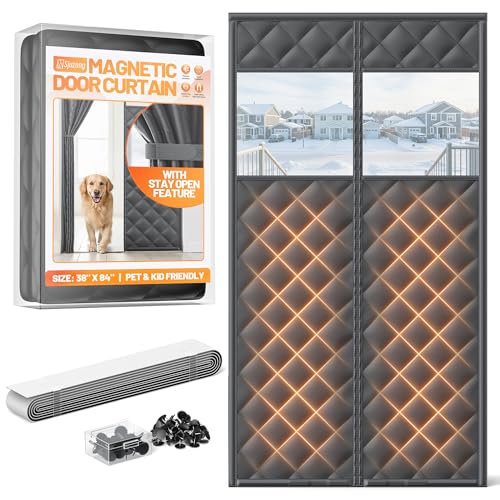
This magnetic insulated door curtain is designed to block drafts at entryways. The windproof Oxford fabric, combined with a thick cotton layer, helps prevent cold air from seeping into living spaces. A notable feature is the hands-free magnetic closure, which uses magnets to snap the curtain shut after each doorway pass, reducing heat loss caused by frequent openings. Installation relies on hook-and-loop mounting strips for quick, tool-free setup, and includes tie-up options for when the curtain is not in use.
Door curtains provide a targeted approach to insulating frequently used entrances, such as mudrooms or exterior doors. They are less invasive than full window coverings, and can pair with other window solutions for comprehensive winter protection. Durability depends on the magnets’ strength and the fabric’s ability to withstand repeated openings without wear. This option suits homes seeking a functional, easy-to-use barrier for doorways in winter.
Buying Guide: Key Purchase Considerations
When choosing window insulation for cold weather, consider the following perspectives to balance cost, ease, and effectiveness:
- Installation effort: Film kits offer quick results but require heat shrinking and careful edge sealing. Curtains and tapes provide easier, tool-free setups but may not seal as tightly around all window edges.
- Coverage area: For larger homes or many windows, kits that cover multiple windows (like 62″ x 420″) can reduce per-window cost. Smaller or oddly shaped windows may benefit from flexible curtains or modular tapes.
- Durability and reuse: Thicker films and heavier-duty materials may withstand more cycles of opening and closing. Reusable options, like adjustable film systems or magnetic door curtains, add long-term value in fluctuating climates.
- Airtightness vs. ventilation: Shrink films typically maximize airtightness, while curtains allow ventilation in milder days. Consider your climate and indoor air quality needs when selecting a method.
- Surface compatibility: Adhesive-based products require clean, dry surfaces. Some frames (vinyl, painted metal, or unfinished wood) may respond differently to tapes and fasteners.
- All-season versatility: Tape seals excel year-round, while window films are more specialized for winter drafts. In some homes, combining methods may yield the best results.
In sum, the best option depends on your window count, climate, and whether you prefer a temporary or long-term installation. For renters or seasonal use, curtain-based solutions and re-sealable films offer flexibility. For permanent improvements and maximum airtightness, heavier-duty film kits or a combination with weather-sealing tape can provide robust protection.