Best Wood Handle Hammer: Top Wooden-Grip Hammers for Everyday Use
Choosing a hammer with a sturdy wood handle can reduce vibration, improve grip, and increase comfort during extended use. This guide highlights five reliable wood-handle hammers chosen for durability, balance, and everyday performance. Each product offers a genuine wood handle, proven head construction, and practical features for professionals and DIY enthusiasts alike. Explore options ranging from framing hammers to claw hammers, all designed to provide reliable control and lasting value in the workshop or on the job site.
| Product | Brand | Handle Type | Use | Key Feature |
|---|---|---|---|---|
| Edward Tools Oak Claw Hammer 16 oz | Edward Tools | Solid Oak Wood | General carpentry | Durable forged steel head, anti-slip grip |
| ESTWING Sure Strike California Framing Hammer | Estwing | Genuine Hickory | Framing and demolition | Milled face, versatile rip claw |
| Estwing Engineer Hammer, 4 lb | Estwing | Hickory Wood | Precision carpentry | Low vibration, forged steel head |
| Truper 30814 Replacement Hickory Handle For Claw Hammer | Truper | Hickory Wood | Replacement handle | Industry-standard size, durable |
| ESTWING Pro California Hammer | Estwing | Hickory Wood | Framing and demolition | RIP claw, durable forged head |
Edward Tools Oak Claw Hammer 16 oz
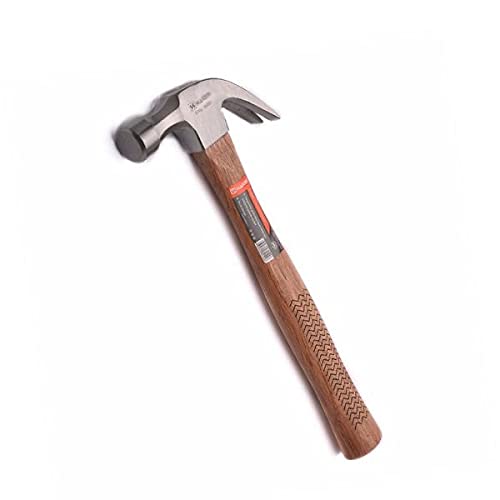
The Edward Tools Oak Claw Hammer features a solid oak handle designed for durability and a comfortable grip. Its forged carbon steel head provides reliable striking power, while the contoured anti-vibration design helps reduce fatigue during extended use. An etched grip pattern helps prevent slipping, making it suitable for both professionals and home enthusiasts who value control and comfort.
ESTWING Sure Strike California Framing Hammer
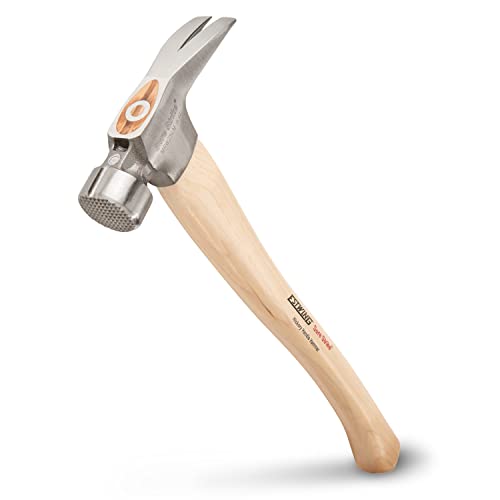
This framing hammer uses a genuine hickory handle combined with a forged steel head for durability and balance. The milled face provides better grip on nails, while the rip claw design adds versatility for prying boards and removing nails. It’s designed for long-term use on job sites and in workshops demanding reliable performance.
Estwing Engineer Hammer, 4 lb

Estwing’s engineer hammer combines a 4-pound head with a 14-inch genuine hickory handle. Manufactured in the USA, it emphasizes vibration reduction and efficiency. The contoured grip and durable construction are designed to withstand repeated use in precise carpentry tasks, making it a dependable choice for professionals and serious DIYers.
Truper 30814 Replacement Hickory Handle For Claw Hammer

Truper offers a replacement hickory handle compatible with standard claw hammers. This 14-inch handle is designed to meet industry standards, ensuring a snug fit and robust performance. It’s a practical option for extending the life of a claw hammer or outfitting a workshop with reliable wooden handles.
ESTWING Pro California Hammer

The ESTWING Pro California hammer emphasizes a rip claw design and a Hickory handle for comfort and control. The forged steel head offers durability for demanding tasks, while the wood handle provides a familiar grip pattern for extended use on framing and demolition projects. It’s a solid pick for users who prioritize balance and longevity.
Buying Guide: Key Considerations for Wood-Handled Hammers
While choosing a wood-handle hammer, consider these factors to match your needs:
- Handle material and grip: Genuine Hickory is common for durability and shock absorption; look for contoured or etched grips to prevent slippage during use.
- Head construction: Forged steel heads tend to be stronger and longer-lasting than cast heads; milled faces reduce slipping and improve nail set control.
- Weight and balance: Typical framing hammers range from 16 to 25 ounces; lighter handles reduce fatigue for overhead tasks, while heavier heads deliver more driving power.
- Claw design: Rip claws excel at prying and demolition, while straight claws are typically better for nail removal in tight spaces.
- Vibration reduction: Some models emphasize anti-vibration features to minimize fatigue during extended sessions.
- Maintenance and replacement parts: Consider availability of compatible handles, wedges, and repairs to extend tool life.
Comparative Perspectives
For professionals, a durable hickory handle paired with a forged head—such as the Estwing models—offers reliable performance with low fatigue. DIYers may prioritize a balanced weight and an ergonomic grip for comfort during longer projects. When replacing a handle, standard sizes and compatibility with common claw hammers ensure broad usefulness, as seen in Truper’s replacement handle. Materials and construction influence not only durability but vibration feedback, so choosing between a milled face or smooth face can affect driving accuracy and user comfort over time.
Usage Scenarios and Maintenance Tips
Use wood-handle hammers for framing, carpentry, nail driving, and demolition. Always inspect the handle for cracks or looseness before use, and replace damaged handles promptly. Clean and dry the handle after exposure to moisture to prevent wood swelling. Store hammers in a dry environment to preserve wood integrity and prevent rust on the head.
Additional Resources
For more options, consider exploring hammers with similar wood handles and forged heads. When selecting a hammer, prioritize balance, grip, and a head that suits your typical tasks—whether framing, finishing, or general repairs.