Best Wood Sealer for Planter Boxes: Plant-Based Outdoor Protection
The best wood sealer for planter boxes is a plant-based, non-toxic option that deeply penetrates wood to resist water, sun, and weather damage. This guide highlights five top picks that are safe for gardens, pets, and edible plants while offering long-lasting protection. Each product is selected for compatibility with cedar, pine, and other common planter materials, plus ease of use in outdoor settings. Ideal buyers include DIY gardeners, small-scale urban planters, and households prioritizing non-toxic, plant-safe sealants.
Summary of chosen products:
| Product | Brand | Best For | Key Benefit |
|---|---|---|---|
| Garden Box Sealer (Plant-Based) | Seal It Green | Raised beds and planters with edible crops | Deep penetration, FDA food-contact safe |
| Shabebe Garden Box Sealer 32OZ | Shabebe | Long-lasting outdoor wood protection | Professional-grade protection, plant-safe |
| Garden Box Sealer (Plant-Based) | Seal It Green | Pet houses or chicken coops nearby | Non-toxic, citrus scent, plant-safe |
| Shabebe Garden Box Sealer Pro Grade 1 Gallon | Shabebe | Medium to large planter builds | Pro-grade outdoor formula, low odor |
| Shabebe Garden Box Sealer 1 Gallon | Shabebe | Raised beds and planters with diverse woods | Long-lasting moisture and sun resistance |
Garden Box Sealer | Plant-Based Wood Sealer — Seal It Green

Best for raised beds and planter boxes, this sealant uses deep-penetrating natural oils to bond with wood fibers, protecting Cedar and other woods from water and weather for years. It is non-toxic, FDA food contact safe, and plant-based with no harsh chemicals. A citrus scent offers a pleasant application experience. Caution: avoid acrylics, polymers, silane/siloxane/silicone-based sealers in vegetable gardens.
Who should buy: Gardeners seeking a long-lasting, plant-safe sealant for planters that may hold vegetables or herbs. Why selected: strong penetration and plant safety make it a solid all-around option for outdoor wood in garden contexts.
Shabebe Garden Box Sealer 32OZ — Non-Toxic & Plant-Safe
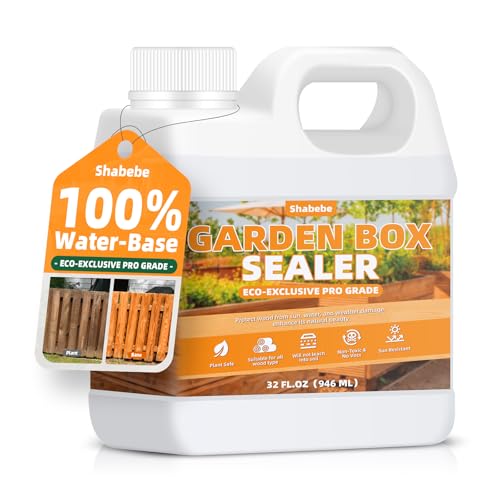
Best for all wood types in garden beds, planters, and pet shelters, this professional-grade sealer penetrates deep to guard against moisture, sun exposure, and outdoor wear. It is plant-safe and water-based with no toxic solvents. Not recommended for laminated or coated wood. Caution: avoid strong odors in very small, enclosed spaces during application.
Who should buy: Homeowners needing a durable, plant-safe option for larger planter projects. Why selected: robust protection across wood varieties with a focus on safety around plants and pets.
Garden Box Sealer — Plant-Based, FDA Safe Sealant

Best for gardeners seeking non-toxic, food-contact-safe protection for garden beds, this sealant provides deep penetration and long-lasting moisture resistance. It helps maintain wood’s natural beauty while shielding against sun and water. Note: avoid petroleum-based sealers for edible gardens. Caution: limited odor tolerance during application in tight spaces.
Who should buy: Planters with edible crops or herbs where safety is a priority. Why selected: clear plant-safe formulation and strong protection profile for outdoor vegetable gardens.
Shabebe Garden Box Sealer 1 Gallon — Non-Toxic & Plant-Safe
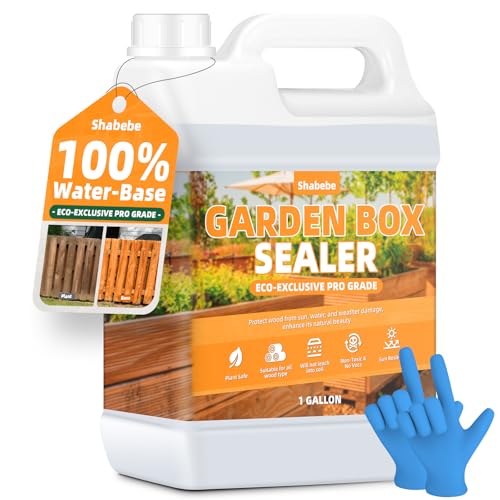
Best for raised beds of various sizes, this professional-grade sealer provides long-lasting protection against water and sun. It is plant-safe and low-odor, making it suitable for gardens with pets and children. Not recommended for laminated or pre-sealed surfaces. Caution: apply in well-ventilated areas to minimize odor exposure.
Who should buy: Gardeners with larger planter installations needing a reliable, plant-safe finish. Why selected: proven outdoor performance with a scalable gallon size option.
Shabebe Garden Box Sealer Pro Grade 1 Gallon

Best for outdoor wood projects requiring enhanced durability, this pro-grade formula penetrates wood fibers to reduce moisture absorption and surface wear from sun and weather. Suitable for raised beds, planters, fences, and other non-coated surfaces. It is plant-based and low-odor. Caution: not advised for laminated or pre-sealed woods.
Who should buy: Serious DIYers and larger outdoor builds needing stronger protection and longer intervals between maintenance. Why selected: highest durability tier among the listed options with plant-safe credentials.
Buying Guide
- What should you seal? Choose sealers designed for outdoor wood and planter use that are plant-safe and non-toxic if you grow edible crops nearby.
- What wood types are supported? Look for products explicitly stating compatibility with cedar, pine, hardwood, bamboo, and pressure-treated woods common in planters.
- Penetration vs. surface coating: Deeper penetrating formulas reduce moisture absorption; surface coatings may wear faster in sun-exposed planter surfaces.
- VOC and odor: For spaces near homes, pets, or gardens, favor water-based, low-odor, and non-toxic formulas.
- Safety and ingredients: Avoid sealers containing acrylics, polymers, silane, siloxane, or silicone if used on vegetable gardens.
- Application and maintenance: Consider reapplication intervals that align with your climate; longer intervals reduce ongoing maintenance but ensure continued protection.
FAQ
- What is a plant-safe wood sealer? A product formulated with non-toxic, plant-friendly ingredients that are safe around soil, plants, and pets, often water-based and FDA food-contact safe.
- Is it necessary to seal planter boxes? Sealing helps reduce moisture absorption, sun damage, and wood cracking, extending the life of outdoor planters.
- Can these sealers be used on all wood types? Most sealers list compatible woods like cedar, pine, hardwood, bamboo, and pressure-treated wood; avoid laminated or pre-sealed surfaces unless specified.
- Do these sealers affect soil or plant health? Reputable plant-safe sealers are designed to minimize leaching; always follow label directions for best results.
- How often should planters be resealed? Reapplication depends on climate and sun exposure; many sealers are designed for multi-year protection, with recoat as needed.
- Are there any sealers to avoid for vegetable gardens? Yes, avoid acrylic-based, polymer, silane/siloxane/silicone-based products in vegetable garden applications.