Best Z-Wave Motion Sensors for Smart Homes
Smart homes rely on reliable motion sensing to automate lighting, security, and energy use. This guide reviews top Z-Wave motion sensors, highlighting reliability, range, power options, and ease of integration with popular hubs like Hubitat, Home Assistant, and SmartThings. Each pick focuses on accurate detection, flexible settings, and robust compatibility to help you reduce false alarms and improve automation performance.
Summary table of selected products:
| Product | Brand | Key Benefit | Power | MyRadar |
|---|---|---|---|---|
| Zooz 800LR Motion Sensor | ZOOZ | Long-range, adjustable sensitivity | Battery or USB | Reliable detection, extender capability |
| Ecolink Z-Wave PIR Motion Detector | Ecolink | Pet-immunity option | Battery | Good for homes with pets |
| Enbrighten Z‑Wave Smart Motion | Enbrighten | Multiple modes and light sensing | Battery-powered | Flexible settings for rooms |
| HomeSeer MS100 G8 | HomeSeer | 800 series long-range, LR | Battery or USB | Strong range, smart automation |
| Ring Alarm Motion Detector | Ring | Compact, easy installation | Battery/plug options | Integrated with Ring ecosystem |
Zooz 800LR Z-Wave Motion Sensor (ZSE18 800LR)

The Zooz 800 Series Long Range Z-Wave Motion Sensor (ZSE18 800LR) is designed for reliable, fast detection within Z-Wave networks. It supports adjustable motion sensitivity and a retrigger time to tailor how aggressively it reports activity. A built-in Z-Wave range test tool helps with network troubleshooting, making it easier to optimize placement in larger homes. It can run on a single battery for up to a year or via a micro USB connection (not included). When powered by USB, it can also act as a signal extender, expanding network coverage in your home.
Ecolink Z-Wave PIR Motion Detector (PIRZWAVE2.5-ECO)
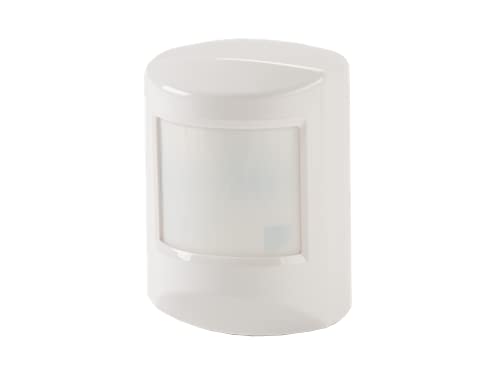
The Ecolink Z-Wave PIR Motion Detector is tested for compatibility with key Z-Wave hubs, including Home Assistant and Hubitat. It supports general motion detection for security and automation triggers. A notable feature is its pet immunity up to about 55 pounds, which helps minimize false alarms caused by household pets in typical living spaces. While compatibility is strong, users should verify hub-specific support due to varying firmware and configurations.
Enbrighten Z-Wave Smart Motion Sensor Light Indoor
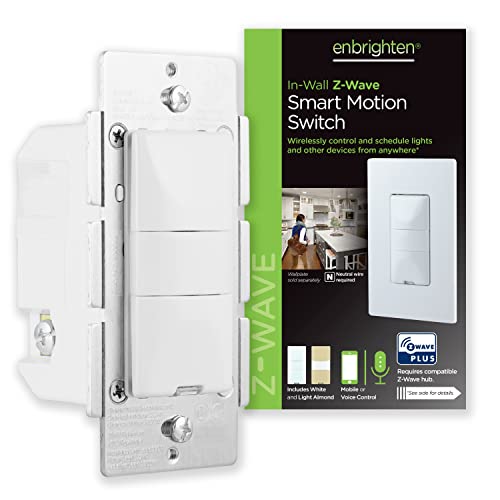
The Enbrighten Z-Wave Smart Motion Sensor Light provides flexible settings with three motion-detection options—occupancy, vacancy, and manual. It includes a light-sensing option to conditionally activate lights based on ambient light levels, and multiple time-out durations (from 5 seconds to 30 minutes) with three motion-sensitivity levels. This combination makes it suitable for living rooms, hallways, and entryways where lighting automation needs vary by time of day and activity.
HomeSeer MS100 G8 Motion Sensor
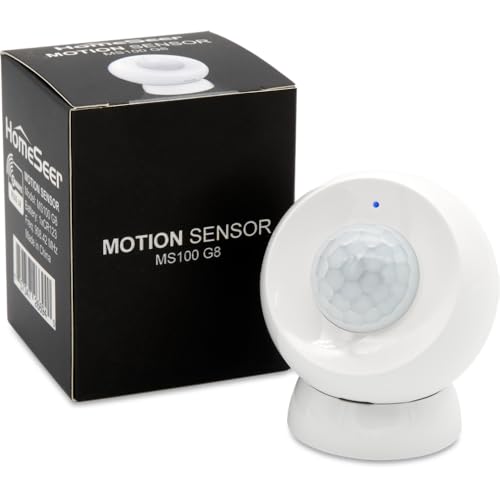
HomeSeer MS100 G8 uses the Z-Wave 800 series with Long Range (LR) capabilities, aimed at larger homes or installations with devices spread far apart. It supports extended range communications and provides motion detection along with occupancy awareness for smarter automations. Power options include a long-lasting battery and the ability to run on a micro USB adapter for plug-in setups, offering flexibility from battery-powered installations to permanent placements.
Ring Alarm Motion Detector

Ring Alarm Motion Detector offers a compact design with adjustable sensitivity and 90-degree coverage across a 25-foot range. It integrates seamlessly with Ring’s ecosystem and is easy to install, making it convenient for users already invested in Ring security cameras and the Ring Alarm system. Consider its non-Z-Wave protocol if your hub is strictly Z-Wave, as this device operates within Ring’s own platform rather than a universal Z-Wave network.
Buying Guide: Key Considerations For Choosing A Z-Wave Motion Sensor
- Range and network topology: For larger homes, prioritize sensors with Long Range (LR) capabilities and those that can serve as network extenders when powered via USB or wall power. Proximity to hub placement often determines reliability.
- Power options: Battery-powered sensors offer flexible placement but require periodic battery replacement. USB-powered models provide constant operation and can extend the hub’s reach if used with power adapters near the gateway.
- Detection modes and sensitivity: Look for sensors with adjustable motion sensitivity, retrigger times, and multiple modes (occupancy, vacancy, manual). These features help tailor automation and reduce false alarms, especially in pet-friendly homes.
- Pet immunity: If you have pets, choose models offering pet-immunity features or calibrations to minimize false positives without compromising security.
- Compatibility and hub support: Confirm that the sensor is fully compatible with your Z-Wave hub (Hubitat, Home Assistant, SmartThings, etc.) and check for firmware requirements or updates that affect interoperability.
- Additional features: Some sensors include built-in range testers, light-sensing options for automations based on ambient light, or occupancy reporting for room-by-room automation planning. Consider whether these align with your automation goals.
- Security and privacy: Prefer devices from brands with ongoing security updates and transparent data handling, especially if your hub is connected to the internet and remote access is enabled.
How To Choose By Use Case
- Large homes or multi-room setups: Prioritize sensors with LR support and strong range to reduce dead spots and ensure consistent automation across zones.
- Energy-saving automations: Choose models with light-sensing options or occupancy modes to adjust lighting and climate controls only when rooms are occupied.
- Pet households: Select sensors with pet-immunity to minimize nuisance alerts while maintaining security.
- Ease of installation: If you want a quick setup, consider models with plug-in USB power and simple pairing processes with your hub.
- Ecosystem decisions: If you plan to expand beyond Z-Wave, assess how the sensor fits with Matter, HomeKit, or Alexa ecosystems for broader automation options.
Users should assess their home layout, hub location, and automation goals when selecting a Z-Wave motion sensor. The best option will balance reliable detection, flexible power, and seamless integration with existing smart-home configurations.