Best Material for Heat Sink: Top Picks for Better Thermal Management
Choosing the right heat sink material can significantly impact the longevity and performance of electronics, PCs, and other heat-generating components. This article highlights five standout products with different heat-conductive materials—from silicone compounds to copper and aluminum-based heatsinks—so you can compare how each option handles heat, installation ease, and compatibility.
Product Overview
| Product | Brand | Key Material | Primary Use |
|---|---|---|---|
| Super Lube 98003 Silicone Heat Sink | Super Lube | Silicone heat sink compound with thermally conductive oxide powders | CPU heat transfer and general heat sinks |
| SGTKJSJS M.2 Heatsink Cooler | SGTKJSJS | Aluminum alloy with thermal pads | M.2 SSDs on desktops/PS5 |
| MEETOOT Heat Sink Silicone Pad | MEETOOT | Thermally conductive silicone pad | Electrical components, heat conduction between source and sink |
| ELUTENG M.2 SSD Heatsink Copper (4 Pieces) | ELUTENG | Pure copper with NVMe thermal pads | High-performance M.2 NVMe cooling |
| SGTKJSJS M.2 Heatsink Silver | SGTKJSJS | Aluminum alloy with thermal pads | Desktop PC/PS5 M.2 cooling |
Super Lube Silicone Heat Sink Paste

Super Lube 98003 is a silicone-based heat sink compound designed to enhance heat transfer without hardening or drying out. The formulation blends thermally conductive metal oxide powders into a silicone base, helping move heat away from CPUs and other heat-generating components. It also helps prevent oxidation and carbonization that can accelerate degradation of heat transfer paths. This makes it suitable for heat-sensitive electrical parts, where maintaining steady thermal performance extends component life.
Key advantages include excellent heat transfer efficiency, high heat dissipation without heat trapping, and a stable, non-hardening paste. The product is designed to remain pliable and effective across thermal cycles, enabling reliable performance in electronics, power supplies, and other systems where consistent cooling is critical. Applications range from CPU cooling to generic heat sink applications in small electronics.
Considerations: silicone-based pastes can be easier to apply in thin, uniform layers, but users should ensure proper surface preparation for optimal contact. The paste is designed to resist drying and hardening even under elevated temperatures, maintaining its effectiveness over time.
M.2 Heatsink Cooler for NVMe SSDs
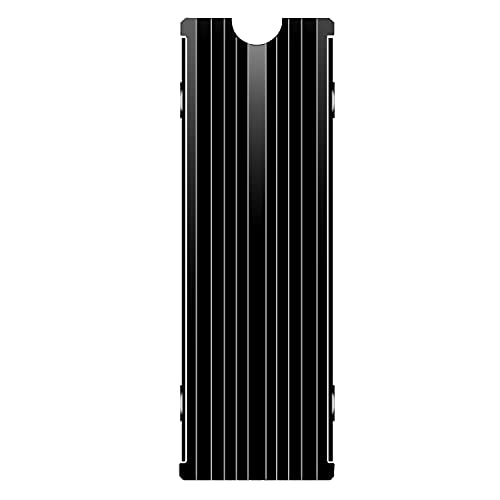
This M.2 heatsink from SGTKJSJS is designed for single-sided Type M.2 SSDs, including popular models like Samsung 860/960/970 series and the 980 Pro. The main body is aluminum alloy with a silver plating to minimize static electricity and anodic oxidation surface treatment for durability. The heatsink measures 3 x 0.95 x 0.4 inches and is optimized for PS5 installations as well as PC M.2 slots.
The set includes high-quality thermal pads with good conductivity and low viscosity, which helps ensure a secure, damage-free bond to the SSD. The design prioritizes effective heat transfer while maintaining a compact footprint suitable for tight spaces in desktops and consoles. This option is ideal for users seeking a lightweight, straightforward cooling solution for M.2 SSDs in compact builds.
MEETOOT Thermal Conductive Silicone Pad

MEETOOT offers a 100x100x1 mm thermally conductive silicone pad designed to bridge gaps between heat sources and sinks. The pad exhibits excellent thermal conductivity while providing electrical insulation, reducing the risk of shorts. It is soft, easy to cut, and slightly sticky, which helps with alignment and secure contact during installation. The pad remains stable across a wide temperature range and is non-toxic and flame-retardant, making it suitable for electronics, LED setups, and PC components.
Highlights include the ability to cut to fit, good insulation properties, and durable performance in high-temperature environments. This makes it a flexible option for DIY cooling projects, as well as for bridging components with irregular geometries where traditional pads may not fit perfectly.
AWOKE Sink Protectors And Mat

While primarily marketed as a kitchen accessory, this heat-resistant silicone sink mat demonstrates the versatility of silicone as a heat barrier and protective layer. The mat measures 12.25 by 11.5 inches and is designed to protect stainless steel sinks from scratches and heat impact. The soft silicone is forgiving on delicate dishes and can be shaped to fit slightly curved surfaces. This product illustrates the broader applications of silicone in heat management, particularly where direct contact with hot items is involved.
Key attributes include soft, protective silicone, heat resistance, and easy cleaning. For electronics cooling, the takeaway is silicone’s adaptability in forming protective interfaces and dampening heat transfer when used as a barrier layer rather than as an active conductor.
AggSound Car Sound Deadening Panels

AggSound’s car insulation panels blend aluminum foil with high-density foam to deliver sound dampening and heat reflection. While primarily a noise reduction product, the stack’s reflective insulation reduces heat transfer, providing a parallel perspective on materials that manage thermal flow in automotive environments. The product emphasizes multi-layer construction for durability and effective adhesion, helping to keep heat away from sensitive areas inside vehicles and reducing heat soak in cabin components.
Key points include its layered approach (aluminum foil, foam, and adhesive backing), strong adhesion, and notable heat-reflective properties. For those evaluating heat sink options, it demonstrates how reflective and insulating materials can complement active cooling in complex systems like vehicles or sealed enclosures.
Buying Guide: Key Considerations For Heat Sink Materials
- Thermal conductivity: Copper offers high thermal conductivity, often outperforming aluminum, but is heavier and pricier. Aluminum is lighter and sufficiently conductive for many applications. Silicone pads and gels improve contact and fill gaps but are not heat sinks themselves; they are gap fillers and transfer aids.
- Electrical insulation: Silicone-based pads and gels provide electrical insulation, reducing the risk of short circuits when used between heat sources and conductors. This is crucial for electronics with exposed components.
- Mechanical ease and compatibility: Consider the form factor (pads, paste, or full heatsink) and whether it fits your device’s space constraints, mounting hardware, and planned upgrade path (e.g., NVMe SSDs or CPUs).
- Temperature range and stability: Some compounds are designed to resist drying, hardening, or oxidation, maintaining performance over extended thermal cycling. Hardening pastes can degrade contact quality and heat transfer over time.
- Durability and safety: Look for materials that withstand temperature extremes without releasing fumes, melting, or deforming. Non-toxic, flame-retardant options offer safer handling in consumer environments.
- Surface preparation: For pastes and pads, proper surface cleaning and even application are essential for maximizing thermal transfer. Poor contact can significantly reduce cooling efficiency.
- Use-case alignment: M.2 SSD heatsinks are specialized for NVMe drives; PC/PS5 enthusiasts should prioritize robust aluminum or copper heat sinks with well-mated thermal pads for best performance.
- Cost and weight: Copper heatsinks deliver superior cooling but add weight and cost. Aluminum-based solutions balance performance with lightness and affordability, suiting many mainstream builds.