Best Brush for Cutting in Paint: Top Picks for Crisp Edges and Professional Finishes
When precision matters in painting, a reliable cut-in brush makes all the difference. This guide highlights top brushes designed to deliver clean, crisp edges along walls, trim, and corners. From compact 2-inch sash brushes to versatile angle brushes and edging sets, the right tool can reduce overlap, streaks, and touch-ups. Below you’ll find five proven options chosen for American projects that demand neat lines, smooth control, and durable construction. Each item includes a quick look at why it shines for cutting in, plus practical tips to match your finish with the right brush.
Summary of chosen products
| Product | Brand | Key Benefit |
|---|---|---|
| Wooster Q3211-2 Shortcut Angle Sash Paintbrush, 2-Inch | Wooster | Maneuverable 2″ sash with short purple Shergrip for tight spaces |
| Purdy Clearcut Glide Angular Trim, 2-1/2 inch | Purdy | Stiff filaments for precise cut-in and well-defined lines |
| Zibra Precision Detail Paint Brush, 2-inch | Zibra | Pro-grade precision tip for near-trim accuracy |
| ROLLINGDOG Edging Paint Brush Set (2PC) | ROLLINGDOG | Two shapes for versatile trim and corner work |
| Bates Trim Brush, 0.75 Inch | Bates Choice | Compact edge tool for small trims and tight edges |
Wooster Q3211-2 Shortcut Angle Sash Paintbrush, 2-Inch

The Wooster Q3211-2 Shortcut Angle Sash Brush is designed for cutting in near edges without overspread. Its 2-inch width makes it ideal for door frames, baseboards, and tight corners. The flexible purple Shergrip handle reduces fatigue and provides enhanced control in cramped spaces, while the white nylon and gold polyester blend bristles balance paint pick-up with release. A brass-plated steel ferrule adds durability for repeated use in interior projects. This brush covers crisp lines in latex paints and primers, helping beginners and pros alike achieve a professional edge.
Practical use tips: hold the brush at a low angle for precise lines, prime the edge with a light load of paint, and steady your wrist. Ideal for fresh coats on trim and headers where clean boundaries are essential. Cleaning is straightforward with warm water for latex paints; wipe clean after use to extend bristle life.
Purdy Clearcut Glide Angular Trim, 2-1/2 Inch
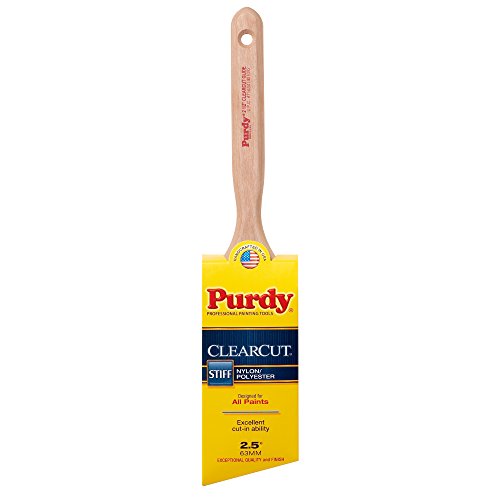
The Purdy Clearcut Glide Angular Trim Brush is engineered for well-defined lines and precise cut-ins. Its 2-1/2 inch angle shape makes it well suited for wall edges, window frames, and adjacent trim. The stiff bristles combine Tynex nylon and Orel polyester-blend filaments, delivering reliable performance across latex paints and primers. A stainless steel ferrule and durable alderwood handle round out a professional-grade tool that’s comfortable for extended use. This brush is especially effective for DIY enthusiasts and seasoned painters seeking sharp, predictable results.
Tips for optimal results: load the brush evenly to avoid stray bristles and practice a consistent wrist motion to maintain a uniform edge. This brush shines on longer straight cuts and clean lines along doorway jambs and crown corners. Clean promptly after each use to preserve stiffness and edge control.
Zibra Precision Detail Paint Brush, Pro Grade, 2-Inch

The Zibra Precision Detail Brush focuses on cutting-in accuracy with a 2-inch angled design that excels near trim, outlets, and door frames. Its precision tip supports tight lines and smoother transitions between walls and ceilings. Zibra uses durable aluminum inserts, epoxy glue, and threaded nails for a robust build, offering dependable performance for both water-based and oil-based paints. It’s a solid choice when you need to target small zones with consistent paint deposition and minimal splatter.
Usage notes: work slowly along the edge to maintain a tight boundary, and reload sparingly to preserve line sharpness. It pairs well with high-coverage latex paints and primers for interior rooms where edges matter most. Cleaning with water or appropriate solvent will help maintain bristle shape and response over time.
ROLLINGDOG Edging Paint Brush Set (2PC)

This two-pack edging brush set from ROLLINGDOG includes a short angled brush and a square trim brush, each designed for cut-in control and edge accuracy. The short angled brush (3-sided, 24mm per side) and the square trim brush (4-sided, 22mm per side) provide versatility for corners, baseboards, and tight alcoves. The seamless aluminum ferrule construction supports durability during frequent use, and the dual-brush configuration reduces the need to switch tools mid-project. It’s useful for both interior trim work and architectural details where crisp boundaries are critical.
How to optimize results: use the angled brush for tight corners and edge lines, then switch to the square trim to define larger trim runs with consistent paint flow. Keep the bristles clean and dry between sessions to avoid splaying. These brushes perform well with latex and oil-based paints alike when properly cared for.
Bates Trim Brush, 0.75 Inch Edge Painting Tool

The Bates Trim Brush offers a compact 0.75-inch edge tool designed for tight spots, small trim work, and precise cut-ins. Its lightweight plastic handle reduces fatigue during long edging sessions, while the thick synthetic filaments maximize paint hold capacity for quicker coverage. The build emphasizes comfort and control, making it a practical supplement for models where space is at a premium or when working around fixtures. Suitable for both latex and oil paints, it helps produce clean lines along window casings and door frames with minimal overspill.
Usage guidance: approach corners slowly and maintain a steady, low angle to avoid gouging. Pair with a larger sash brush for broader areas to maintain color consistency and edge crispness across the project.
Buying Guide: Key Considerations For Cutting-In Brushes
Choosing the right brush for cutting in depends on edge precision, paint type, project scale, and comfort. Below are essential considerations to help you select the best tool for your needs and compare options effectively.
- Brush width and shape: Narrow sash or angled brushes (2 inches or less) are ideal for tight corners and trim edges, while wider angles excel on longer walls where speed matters.
- Filament materials: Synthetic blends (nylon, polyester) offer durability, color retention, and easy cleanup for latex paints. Stiffer bristles help with cutting in sharp lines, but too stiff a brush can hinder blend on large surfaces.
- Ferrule and handle design: A sturdy ferrule minimizes bristle shedding, and a comfortable handle reduces fatigue on longer projects. Ergonomic grips aid control in restricted spaces.
- Paint compatibility: Ensure bristles handle the type of paint you’ll use (latex, oil-based, or stain). Some brushes are optimized for one type, while others are versatile across formulas.
- Edge precision vs. coverage: For meticulous trim and outlets, prioritize stiffness and edge control. For larger trim runs, consider a slightly wider brush to balance load and line quality.
- Maintenance: Proper cleaning extends brush life. Rinse latex paints promptly, reshape bristles, and store with bristles upright or flat to prevent warping.
- Budget versus durability: Higher-quality brushes generally deliver cleaner edges with less effort and fewer touch-ups, but consider your frequency of use and project scope when budgeting.
- Specialty sets vs. individual brushes: Sets provide value for all-in-one projects, while individual brushes let you tailor tools to specific tasks, such as corner work or high-precision trim.
In practice, for American interiors with standard latex paints, a mix of a 2-inch angled sash brush for cutting in along walls and a compact edging set for corners covers most needs. For more complex trim or cabinetry work, adding a precision detail brush helps refine lines near outlets or door frames. Always test a small sample area to calibrate load and angle before tackling larger sections, ensuring an even, professional finish across rooms.