Best Glue for Door Seals: Top Weather Stripping Solutions for Homes and Autos
When sealing doors, the right adhesive or weather strip is essential for a tight, durable seal. This guide highlights five top products that focus on adhesive strength, long-lasting performance, and ease of installation. It’s ideal for homeowners, DIY enthusiasts, and automotive users who want to minimize drafts, noise, and energy loss. Each pick is evaluated for best use cases, installation ease, and potential caveats to help you choose confidently.
Summary of chosen products:
- 3M Black Super Weatherstrip and Gasket Adhesive 03602 — Best for long-lasting automotive weatherstrips.
- UgoHiff Dryer Door Seal — Best for quick, glue-assisted door seal replacements in appliances.
- ROFPM Automotive Adhesive Sealant — Best for versatile bonding on metal, plastic, and rubber.
- pundin Black Rubber Weather Stripping — Best for self-adhesive, larger-area sealing around doors and windows.
- MIKOSI 26 Feet Silicone Seal Strip — Best for flexible, glue-assisted door sealing with broad compatibility.
3M Black Super Weatherstrip and Gasket Adhesive 03602

Best for: Automotive door seals, trunks, and sunroofs where a durable, flexible bond is required. This high-strength adhesive permanently attaches rubber weatherstripping and gaskets to metal, forming a waterproof seal suitable for car doors, windows, and other automotive seals.
Why selected: It provides a robust bond that remains flexible under heat, cold, and automotive-weather stress. It cures within 24 hours and does not require clamping, which speeds up installation and reduces handling issues.
Limitations: It is a specialized adhesive for rubber-to-metal bonds; avoid use on non-metal substrates without testing compatibility. Proper surface preparation improves results.
UgoHiff Dryer Door Seal

Best for: Appliance doors where a quick, glue-assisted seal replacement is needed. Includes high-temperature glue for a secure, heat-resistant fit in dryers.
Why selected: The kit emphasizes fast installation (under 10 minutes) and a solution for heat-related seal loss, reducing drying inefficiencies and energy waste. It is particularly useful for homeowners tackling appliance door leaks.
Caution: Use only on compatible dryer models or follow included guidance; improper fit can cause seal gaps or heat loss if mismatched.
ROFPM Automotive Adhesive Sealant

Best for: Car body repairs, weatherstripping, trim, and gap-filling on vehicles with metal, plastic, vinyl, or rubber surfaces. Engineered for four-season elasticity and waterproof performance.
Why selected: Its versatility covers multiple substrates, making it a solid choice for DIY weatherstripping projects beyond simple door seals. The product emphasizes a precise application process with no special skills required.
Limitations: Users should apply with the provided nozzles and smoothing tools to ensure clean placement; messy application can hinder performance and cure consistency.
pundin Black Rubber Weather Stripping
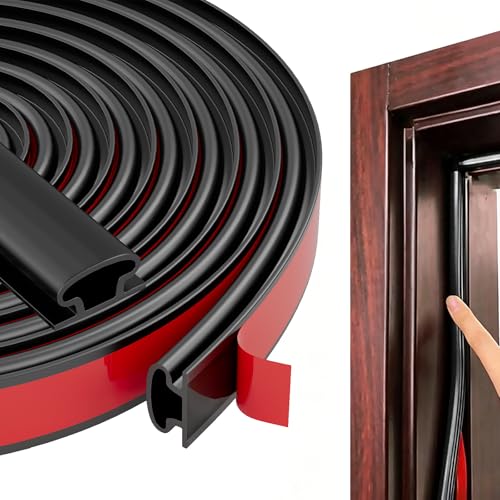
Best for: Self-adhesive door and window sealing where a thickened silicone-like material helps block drafts, noise, and moisture. The backing provides immediate adhesion for quick installations.
Why selected: It combines a thickened silicone composition with strong adhesive backing, designed to stay in place after 24 hours and withstand temperature fluctuations. It is well-suited for larger gaps and rooms needing sound insulation.
Caution: Be sure to measure gap sizes accurately first; overly wide or irregular gaps can reduce effectiveness if the strip cannot seal tightly.
MIKOSI 26 Feet Silicone Seal Strip
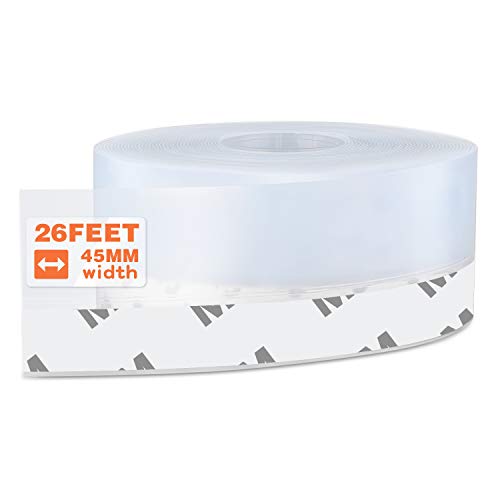
Best for: Versatile door and window sealing where a long roll of silicone strip can be cut to fit multiple gaps. It uses an adhesive-friendly silicone surface for lasting adhesion with minimal edge lifting.
Why selected: Ideal for households needing a broad coverage solution, including doors, windows, and even showers. The 26-foot length reduces the need for frequent restocking and enables broad DIY use.
Limitation: While designed for easy installation, proper surface preparation is essential for optimal adhesion; clean and dry surfaces yield the best results.
Buying Guide
What to consider when choosing door seal glue or weather stripping:
- Substrate compatibility: Determine whether the seal needs to bond rubber to metal, plastic, or other materials. Adhesives like 3M are strong for rubber-to-metal bonds, while silicone strips provide flexible seals on various surfaces.
- Environment and exposure: For automotive use, select products rated for heat, oils, solvents, and routine vibrations. Indoor doors may benefit from silicone-based or self-adhesive strips that resist moisture and humidity.
- Installation ease: Some products include ready-to-apply backing or simple self-adhesive backing, while others require application-specific tools or caulking techniques. Consider your comfort with DIY tasks.
- Gap size and profile: Larger gaps may need thicker weather stripping or multi-part seals. Kerf-slot designs work well where grooves exist in doors, while self-adhesive options fit flat door frames.
- Durability and maintenance: Look for products that resist cracking, tearing, and detachment over time. Flexible adhesives maintain seals under temperature swings better than brittle compounds.
- Installation time: If you need a quick fix, choose products advertised for fast cure or short installation times. For longer-term projects, durability and precision matter more.
FAQ
- What is the best option for automotive door seals?
– A high-strength adhesive like 3M Weatherstrip Adhesive is ideal for rubber-to-metal bonds, providing a durable, waterproof seal. - Can I use door seal strips without glue?
- How do I prepare surfaces before applying adhesive seals?
– Clean and dry the surfaces, remove old sealant, and roughen smooth metal if needed to improve adhesion. De-greasing with isopropyl alcohol helps. - Will these products seal drafts in windows and doors?
– Yes, most entries are designed to block drafts, dust, and noise when properly installed and matched to gap dimensions. - What maintenance is needed after installation?
– Periodically inspect seals for wear or detachment, especially in high-traffic areas or extreme temperatures, and replace as necessary.
– Yes, many self-adhesive strips (like pundin) rely on adhesive backing for installation, though some kerf-fit designs require no glue at all. Always follow surface prep guidance.