Best Height for Carbon Monoxide Detectors: Placement Tips for Effective Safety
Choosing where to install a carbon monoxide detector affects how quickly you’ll be alerted to danger. This guide reviews five popular detectors and explains optimal mounting heights, room choices, and practical considerations. The goal is to help American homeowners maximize protection without placing detectors in blind spots or under false alarms.
Product Snapshot
| Product | Brand | Type | Best Placement Tip |
|---|---|---|---|
| Kidde Carbon Monoxide Detector, Battery Powered | Kidde | Battery-powered | Mount on a wall or place on a tabletop at breathing height. |
| First Alert CO605, Plug-In Alarm | First Alert | Plug-in with battery backup | Install at least 12 inches from walls/ceilings; keep outlet unobstructed. |
| 4-in-1 Upgraded Gas & CO Detector (NICGOL) | NICGOL | Plug-in with dual sensors | Place in central living areas; avoid garages and extreme temps. |
| Kidde Plug-In with AA Backup | Kidde | Plug-in with battery backup | Same-room placement recommendations as general CO detectors. |
| X-Sense Replaceable Battery CO Detector | X-Sense | Replaceable battery powered | Keep at breathing height for quick response. |
Note: Always follow the manufacturer’s instructions for specific mounting heights and safety guidelines. In general, CO detectors should be placed where you spend most of your time, avoiding areas with poor air circulation or high heat, and ensuring easy access to test and mute controls.
Kidde Battery-Powered CO Detector with LEDs
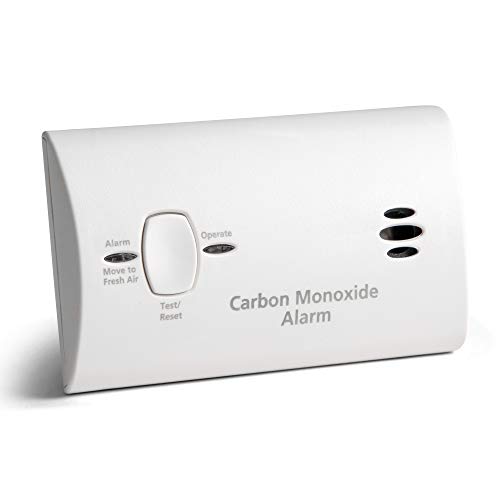
The Kidde detector uses an electrochemical sensor to detect carbon monoxide, providing a clear green LED indicator for power and a red LED plus an 85-decibel alarm when CO is present. It is designed for easy installation with no wiring required and operates on 2 AA batteries during power outages. Placement considerations emphasize mounting on a wall around respiratory height or positioning it on a sturdy tabletop in sleeping areas for rapid alerting.
Key features include battery operation for outages, simple test/reset functionality, and a compact design that fits both wall-mount and tabletop placements. For safety reliability, consider placing detectors on every level of the home, especially near sleeping areas, and ensure there are no obstructions that could muffle the sound or block air flow.
First Alert CO605 Plug-In Alarm with Battery Backup
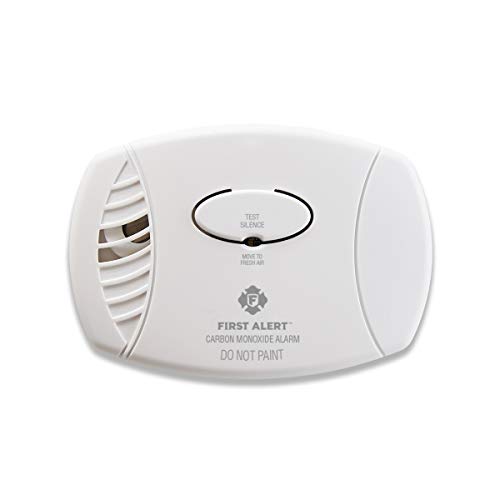
This plug-in CO detector uses an advanced electrochemical sensor to detect carbon monoxide levels, with a battery backup for continuous monitoring during power outages. A single test/silence button provides straightforward operation, and the unit emits an 85-decibel alarm when dangerous CO levels are detected. Placement guidance highlights avoiding placement directly behind furniture or curtains and ensuring at least 12 inches of clearance from walls and ceilings to minimize false positives and maximize sensing accuracy.
When considering height, a plug-in detector is often best installed on a wall near sleeping areas, at a height that aligns with typical human breathing zones. If outlets on that wall are constrained, you can place the unit on a shelf or table at breathing height, provided it remains unobstructed and the alarm is easily audible throughout the space.
NICGOL 4-in-1 Gas & CO Detector

The NICGOL 4-in-1 detector combines natural gas, carbon monoxide, temperature, and humidity sensors in a single plug-in unit. It features dual sensors and a dual alarm system with both audible and visual alerts. The device supports 110V–220V AC power and emphasizes energy efficiency and long-term use, reducing the need for frequent replacements. Placement benefits include central positioning in living or sleeping areas to quickly indicate CO or gas leaks, while avoiding damp basements or direct sunlight where sensors may be affected.
With a dual alarm system, the detector provides rapid notifications when CO or gas thresholds are exceeded. For height considerations, mount at breathing level on a wall or use the plug-in outlet in a central area of the home. Ensure ample clearance around the unit for optimal sensor exposure and avoid installing near cooking zones or heat sources that could trigger nuisance alarms.
Kidde Plug-In CO Detector With AA Backup
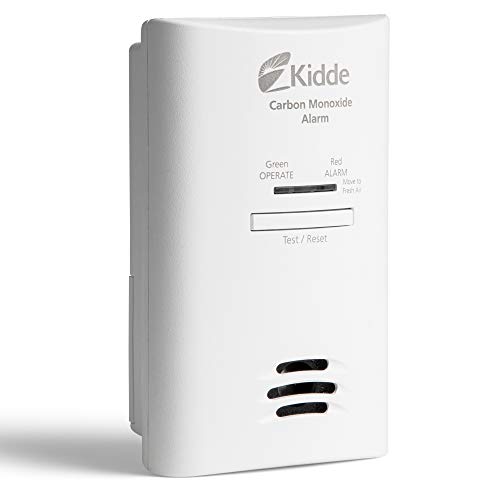
This Kidde unit offers easy wall plug-in installation with an AA battery backup to maintain protection during power interruptions. An 85-decibel alarm clearly signals the presence of carbon monoxide. For placement, device guidelines typically recommend placing detectors on every level, especially near bedrooms, at breathing height, and avoiding closets or cramped spaces where air may stagnate. The AA backup ensures continuous coverage when the main power is out.
Key considerations include ensuring the detector is not blocked by furniture and that it remains audible from sleeping areas. Regular testing and battery maintenance are important to maintain reliability over time.
Kidde CO Detector With 9-Volt Battery Backup
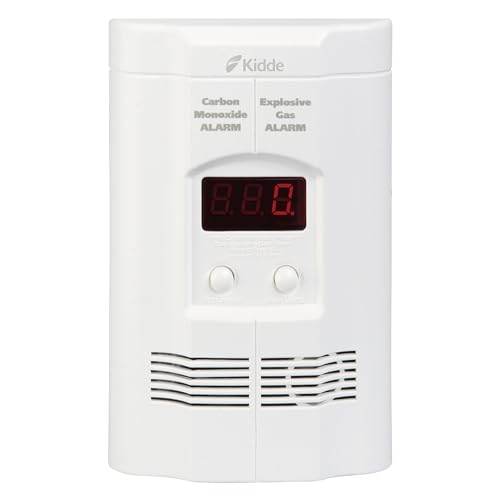
This Kidde model plugs into a standard 120V outlet and includes a 9-volt battery backup, providing continuous protection during power outages. The digital LED display shows CO concentration and can state “GAS” when explosive gas is present, adding a layer of clarity for homeowners managing multiple gas and CO concerns. Placement guidance emphasizes centrally locating the detector in living areas or hallways to maximize coverage, while avoiding direct heat, humidity, or kitchens where steam and cooking byproducts could trigger false alarms.
Height considerations for this unit should align with typical human breathing zones, while ensuring the unit remains accessible for testing and silencing alarms. Regular checks help ensure the display and audible alerts remain legible and functional.
Buying Guide: Key Considerations For CO Detector Height And Placement
- Best mounting height: In most homes, place detectors at breathing height (approximately 5 feet above the floor) on walls. On tablets or desks, ensure detectors are still within reach for testing but unobstructed by clutter.
- Central location: Install detectors on every level, particularly near sleeping areas and in rooms where fuels are used (kitchens, furnaces). Avoid bathrooms with humidity and garages where gases may be present in concentrated pockets.
- Avoid air flow obstructions: Do not mount detectors behind furniture, curtains, or inside cabinets. Ensure open space around the unit for accurate sensing.
- Power considerations: For plug-in models, ensure outlets are not overloaded or covered. Battery backup models are recommended for power outages or locations with unstable electrical supply.
- Sensor type and maintenance: Electrochemical sensors are common in modern CO detectors. Regularly test the device, replace batteries as required, and be mindful of the detector’s expiration or sensor life.
- Interconnected protection: If possible, choose detectors that can interconnect so a CO event triggers alarms across multiple rooms or levels, improving early warning in sleeping areas.
- Multi-gas capability: Some models detect natural gas or propane in addition to CO. Consider a 4-in-1 device if you want broader safety coverage in one unit.
- User interface: Look for clear LED indicators, audible alarms, and straightforward test/silence controls to ensure quick action during an incident.
These considerations aim to balance rapid detection with practical installation realities across different home layouts. Each space—bedrooms, living rooms, basements, and kitchens—benefits from thoughtful detector placement to shorten the time between gas presence and alert, improving overall safety for residents.