Best Mastic for Glass Tile: Top Adhesives for Strong, Visible Results
When choosing mastic for glass tile, you need products designed to bond glass securely without staining or slipping. This guide highlights five reliable options, suitable for homeowners and pros alike. Each pick is evaluated for bond strength, suitability with glass, ease of use, and practical limitations. The buyer types below show who benefits most from each option.
| Product | Best For | Why It Stands Out |
|---|---|---|
| Palmer PM290 SuperSet Mirro-Mastic | DIYers and professional installers | Low VOC, solvent-free, fast cure; great for mirrors and glass surfaces. |
| Mapei Adesilex-P10 Premium Mosaic & Glass Tile Mortar | High-precision glass tile layouts | Quality-controlled color matching; strong performance for mosaic and glass. |
| Laticrete Glass Tile Adhesive Lite | Submerged or moisture-prone areas | ANSI A118.15 compliant; non-sanded texture and extended open time. |
| Ardex D 14 Type 1 Premixed Tile Adhesive | Fast, interior installations | Premixed convenience, strong adhesion to ceramic, mosaic, quarry tiles. |
| Custom Building Products ARL4000QT | General ceramic and glass tile work | User-friendly, reliable mortar for multiple tile types. |
Note: This article focuses on glass tile applications and related adhesives. Each product has different working times, cure profiles, and suitability for submerged or high-humidity environments. Always follow the manufacturer’s instructions for surface prep and coverage.
Palmer PM290 SuperSet Mirro-Mastic White Mirror Adhesive

Features: Professional grade adhesive; strong bond for mirrors, drywall, wood, glass, metal, and tile. Low VOC (9 g/L) and solvent-free, reducing odor and improving indoor safety. Fast cure design supports quicker installations.
Best for: Home improvement projects involving glass surfaces where mirrors or glass tiles require a strong, safe bond. This product is ideal for enclosed spaces where odor and fumes matter.
Limitations: Not a dedicated glass tile mortar; performance claims emphasize mirrors and mixed substrates. Confirm compatibility with large glass tile formats before use.
Mapei Adesilex-P10 Premium Mosaic & Glass Tile Mortar
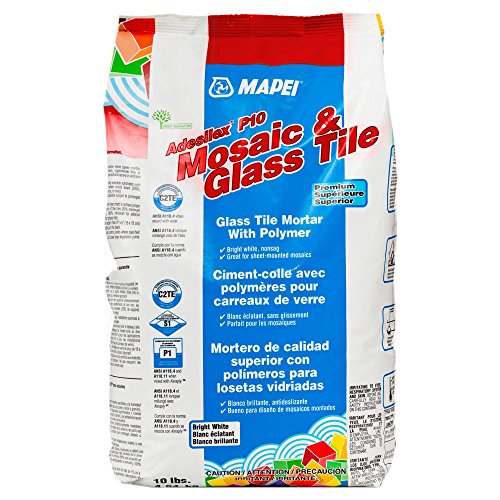
Features: Nonsag performance with high bond strength; well-suited for sheet-mounted mosaics and glass tiles. Color-matched to bright white for uniform appearance across tile work.
Best for: Projects requiring precise color matching and robust adhesion in mosaic or glass tile installations. Choose this if you need consistent color and reliable performance on glass surfaces.
Limitations: May require careful mixing and application per instructions; not a universal all-substrate mortar for every situation.
Laticrete Glass Tile Adhesive Lite

Features: Meets ANSI A118.15 for high bond strength and submerged application suitability. Non-sanded formula provides a smooth texture; extended open time enhances productivity.
Best for: Glass tile installations in bathrooms or kitchens where resistance to moisture matters and a smooth, easy-to-trowel texture is beneficial.
Limitations: Non-sanded texture is best for glass; ensure substrate compatibility and temperature guidelines during open time usage.
Ardex D 14 Type 1 Premixed Tile Adhesive
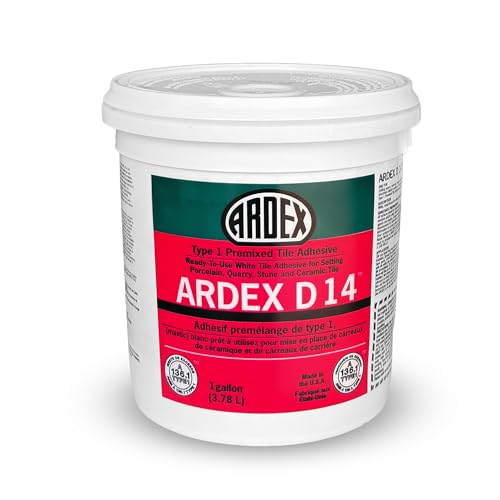
Features: Premixed tile adhesive for interior surfaces; designed for ceramic, mosaic, and quarry tiles. Convenient direct-from-container use for faster installations and reliable adhesion.
Best for: Projects needing quick setup with reliable interior performance for glass tile layouts where traditional mixing is a drawback. Good for small to medium jobs.
Limitations: Premixed formulas may have shorter pot life after opening; verify suitability for glass tile and substrate before use.
Custom Building Products ARL4000QT 1 Quart AcrylPro Ceramic Tile Mastic

Features: Easy-to-use mastic designed for ceramic tile work; white formula suitable for interior installations.
Best for: General ceramic and glass tile work where ease of use and a reliable bond are priorities. Good as a versatile option for mixed tile projects.
Limitations: Not explicitly marketed as a premium glass tile-specific mortar; confirm substrate and tile compatibility for glass use cases.
Buying Guide: Key Purchase Considerations
- Substrate compatibility: Ensure the adhesive is rated for glass and the underlying surface (drywall, cement board, backer board, etc.).
- Open time and cure: Glass tiles often require more precise control of open time; choose products with longer open times if you work in larger formats.
- Bond strength vs. ease of use: For glass, high bond strength matters, but ease of application helps avoid lippage and misalignment.
- Moisture resistance: In bathrooms or wet areas, select adhesives that meet ANSI standards for submerged or moisture-prone environments.
- VOC and odor: Low-VOC and solvent-free options are better for indoor spaces and enclosed areas.
- Color and finish: A white or neutral mortar helps maintain a uniform appearance under glass tiles, especially mosaics.
Practical tips: For glass tiles, use a trowel size recommended by the adhesive manufacturer and work in small sections to maintain a consistent bed. Follow curing times exactly to avoid bond failure or aesthetic issues such as grout haze.
Frequently Asked Questions
- Can I use standard tile mortar for glass tile?
– Some can work, but glass tiles often require premium mortars or adhesives designed for glass to prevent staining and achieve reliable bond. - What is the difference between mastic and thinset for glass tile?
– Mastic is easier to apply and cures via solvent-free chemistry, while thinset provides stronger, more moisture-resistant bonds suitable for wet areas. - Is an epoxy adhesive better for glass tile?
– Epoxy can offer superior performance in some contexts but is more complex to use and typically more expensive than standard tile adhesives. - Do glass tiles require a white mortar?
– White or light-colored mortars reduce the risk of showing through translucent or light-glass tiles. - Should I seal glass tile grout or adhesive?
– Grout sealing is common to protect against stains; check manufacturer guidance for grout-specific sealing needs. - Is one product better for bathrooms than kitchens?
– For bathrooms (moisture-prone), choose products that meet submerged or high-moisture standards and have extended open times if needed.